



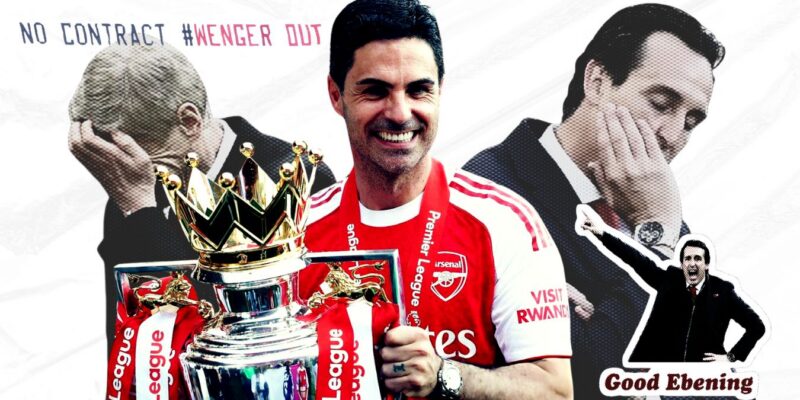
On May 19, 2026, Arsenal’s first team players and staff gathered at their training ground, London Colney, to watch title rivals Manchester City take on AFC Bournemouth at the Vitality Stadium.
It was the penultimate match of the season, and having won their own match 1-0 against Burnley twenty-four hours prior, any result aside from a City victory meant the Gunners would be crowned English champions for the first time in 22 years.
The match ended 1-1, and the scenes at full time, at London Colney, outside the stadium, and all over the world, were filled with ecstasy and jubilation like never before. Those celebrations were warranted because this is a football club that had come agonisingly close to the crown jewel repeatedly, only to come up short far too often, wearing down its fan base in the process.
Arsenal, for over two decades, went through two separate banter eras where the club became a punchline for two very different reasons. The first one nearly broke the institution, while the second one very nearly broke the man who fixed the first. This is the story of both banter eras, and of the six years Mikel Arteta spent turning a joke into a threat.
#WengerOut
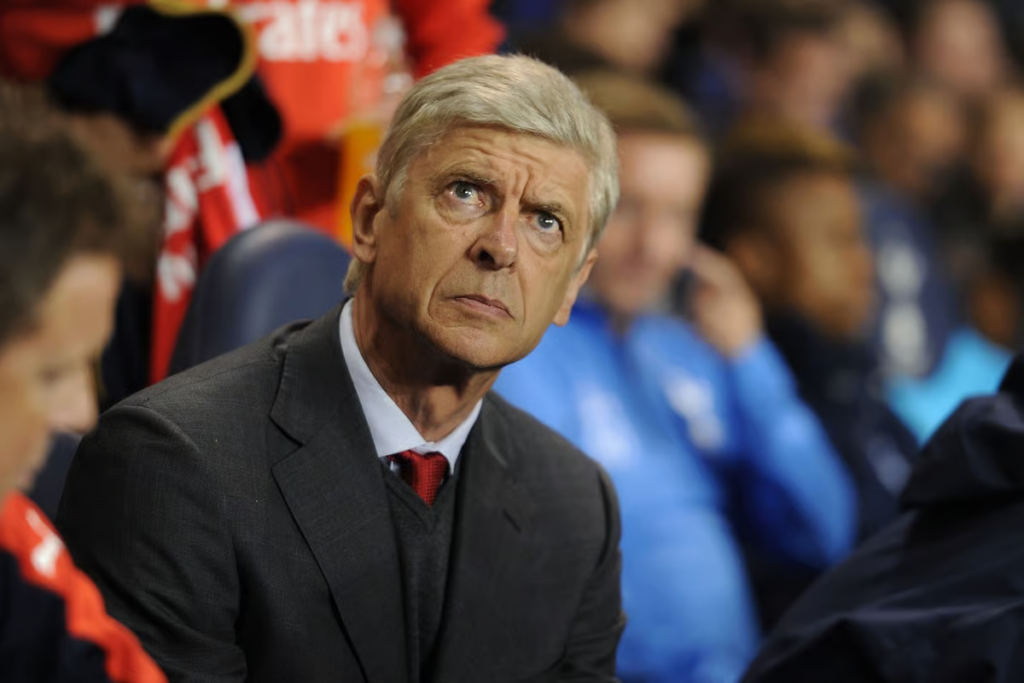
To truly understand how bad Arsenal’s banter era was, we need to lay the foundation, and that starts with Arsène Wenger. Wenger became Arsenal’s manager in 1996 and spent 22 years at the club, but his first decade at the club was far more successful than the last.
By the time Arsenal moved to the Emirates Stadium, Wenger had won 3 Premier League trophies (one Golden trophy included), 4 FA Cups, and 4 FA Community Shields. Then, it all dried up. The trophies, the success, the competitiveness all seemed to have been sucked out of the club.
In February 2017 at the Allianz Arena, Arsenal were walloped by Bayern Munich 5-1 in the first leg of the UEFA Champions League Round of 16. Arsène Wenger stood on the touchline in his coat, the same as always, and watched his team get taken apart by a side playing a different sport at a different speed. But it wasn’t only the scoreline that did the damage. Arsenal fans had a realisation that they had seen enough, and the #WengerOut campaign exploded.
Wenger had, months earlier, called a top-four finish the club’s “first trophy,” insisting it was “vital” to chase it even while sitting several points off the actual leaders. But he wasn’t joking, and that was the problem. A manager who had once terrified this league was now setting the bar at fourth place and defending it with a straight face. An innovative tactician who had once rebuilt English football with diet sheets and one-touch passing had nothing left to say to a team that needed to reclaim the glory of old.
Arsenal went nine years without a trophy between 2005 and 2014, and a handful of FA Cups after that only masked a deeper issue. After being dumped out of the Round of 16 stage of the Champions League for the seventh straight season and getting thrashed 10-2 on aggregate, the banners started going up.
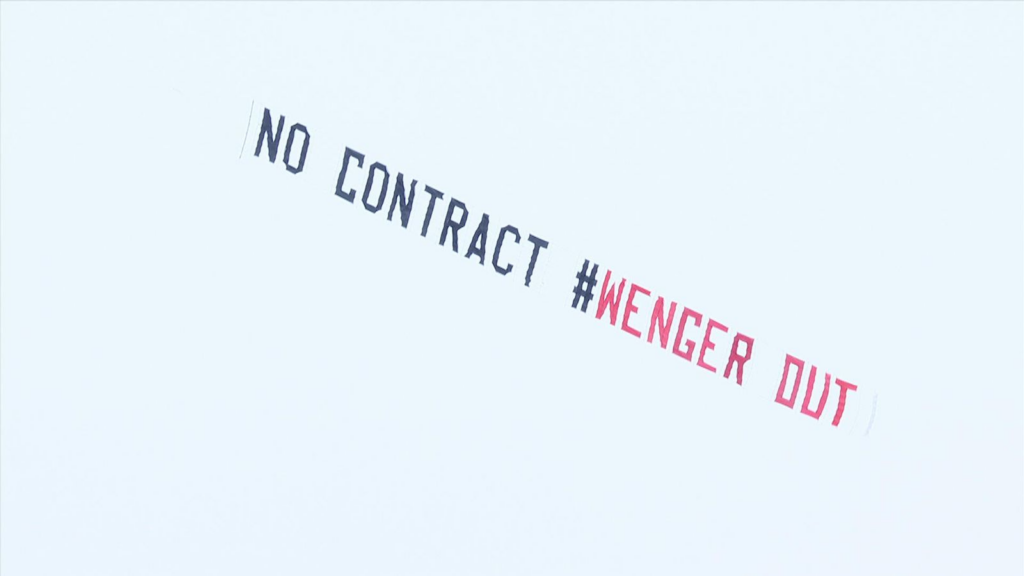
“Wenger Out” stopped being just a chant and transformed into a movement with its own merchandise. On Arsenal Fan TV (AFTV), a man who loved Wenger said on camera that his heart would be gone if the club handed him another contract because he couldn’t stomach it anymore. Fourth place, once the baseline, had become “a running joke,” and even Arsenal’s one second-place finish only happened because Tottenham fell apart first.
The banners followed Wenger everywhere. One turned up 11,500 miles from Islington, at a World Cup qualifier between New Zealand and Fiji, and a plane had already flown one over the Emirates.
But Wenger kept getting new contracts anyway, kept joking that fans wanted to kill him, and kept surviving. Until 2018, when he finally decided enough was enough. He received a deserving farewell, but it was clear at this point that a new manager was less than what Arsenal needed. They needed something closer to an exorcism.
“Good Ebening”: The Unai Emery Years
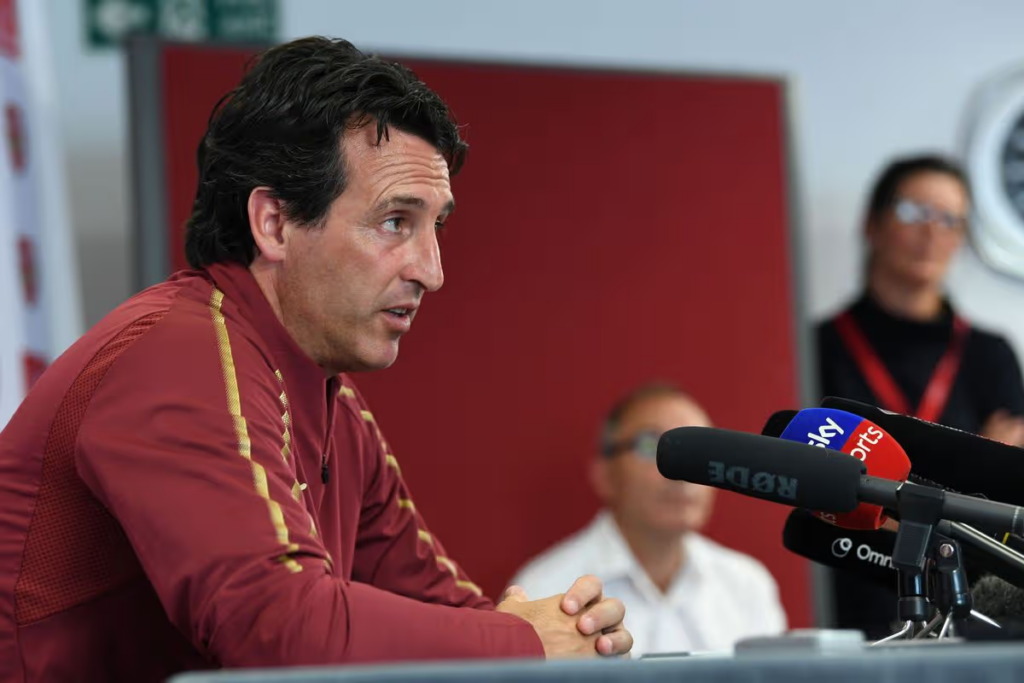
Unai Emery walked through the doors at Arsenal as the man to lead a new future for the Gunners, but his apparent courtesy became a punchline instead of a compliment.
His press conference opener was always “Good evening,” except it came out with a thick Spanish accent. And within a couple of weeks, “Good Ebening” became a meme. It was repeated back at him in stadiums, clipped and shared long after anyone remembered what he’d actually said next.
The three Europa League titles at Sevilla and one Ligue 1 title at PSG did not matter once the British press decided his post-match greeting was funnier than his substitutions. Every mangled vowel became evidence, and every tactical switch that didn’t work got filed next to the accent, as if the two were the same failure.
All these were exacerbated by his failure to get Arsenal back into the Champions League in his first season, finishing fifth after being in a good position with seven favourable games to go. He also lost the Europa League final heavily to arch-rivals Chelsea 4-1 on a horrific night in Baku.
In November 2019, hours after a 2-1 home defeat to Eintracht Frankfurt in the Europa League, Emery was sent packing. He left after seven matches without a win across all competitions — the worst run at the club in twenty-seven years — and Arsenal sat eighth, eight points off the top four.
Club co-chairman Josh Kroenke’s statement thanked him for his efforts that had been “unrelenting,” a phrase typically used by lawyers.
The Ljungberg Cameo
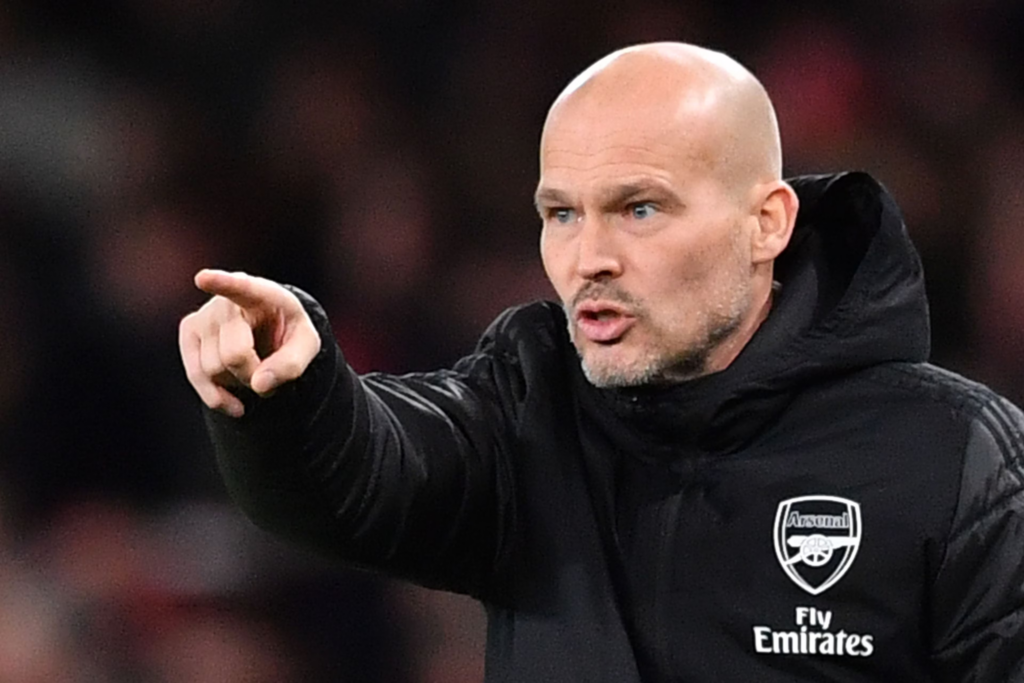
Arsenal put Freddie Ljungberg in the dugout the same day they sacked Emery. A club legend, whose red hair and redder heart stood out during the Invincibles days, was handed a sinking ship with instructions to keep it afloat until someone better could be found.
Ljungberg wasn’t there to be the permanent fix. He was there to be a familiar face on the touchline while the real decision got made in a different room entirely.
During his few weeks in charge, he won just one of his six games in interim charge and looked particularly helpless in a 3-0 home loss to champions Manchester City. Those six games were the blank pages between chapters—necessary, forgettable, and over almost as soon as they started.
The Arteta Era Begins
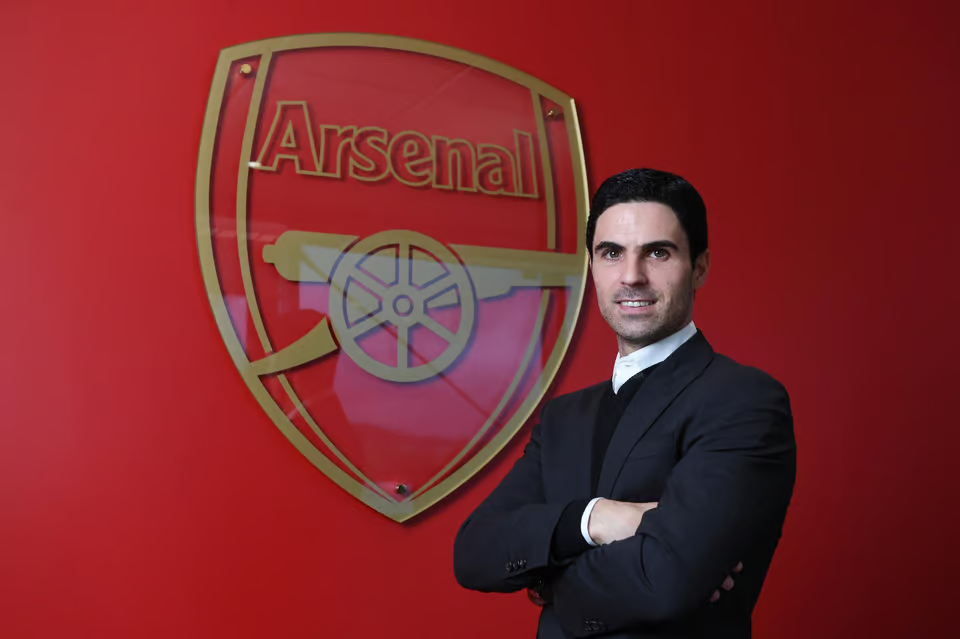
On December 20, 2019, Arsenal appointed a man who had never managed a match for a senior football club in his life.
Mikel Arteta had spent three and a half years standing next to Pep Guardiola at Manchester City, absorbing everything, saying little in public. He refused to celebrate every City goal against Arsenal.
This move shocked fans because Arteta had no head-coaching résumé besides being Guardiola’s sidekick, and by any conventional logic, handing him a wounded institution mid-season made no sense at all.
Arsenal were making a bet on a man who understood, better than almost anyone else in the building, exactly how far Arsenal had fallen behind the standard he left.
Insiders describe him as someone who could work ninety-hour weeks without noticing. “Obsessive” was the word that flew around in reports—which is unsurprising for a Guardiola disciple.
Decades earlier, Sir Alex Ferguson had described his own relationship to the game in almost the same language. But Arteta was walking into a building where some directors and fans had stopped bothering to be ambitious because they didn’t believe the owner cared either.
However, Arteta had seen it from the inside before; as a player, it used to frustrate him watching teammates gear up for summer holidays while Arsenal were already mathematically out of the title race by February.
So he knew all too well that the feeling in every corridor was that there was simply no drive to be successful. Now, he was walking back into a house he used to live in, and he could see exactly what had rotted while he was away.
Pandemic Arsenal: The Peak Banter Era
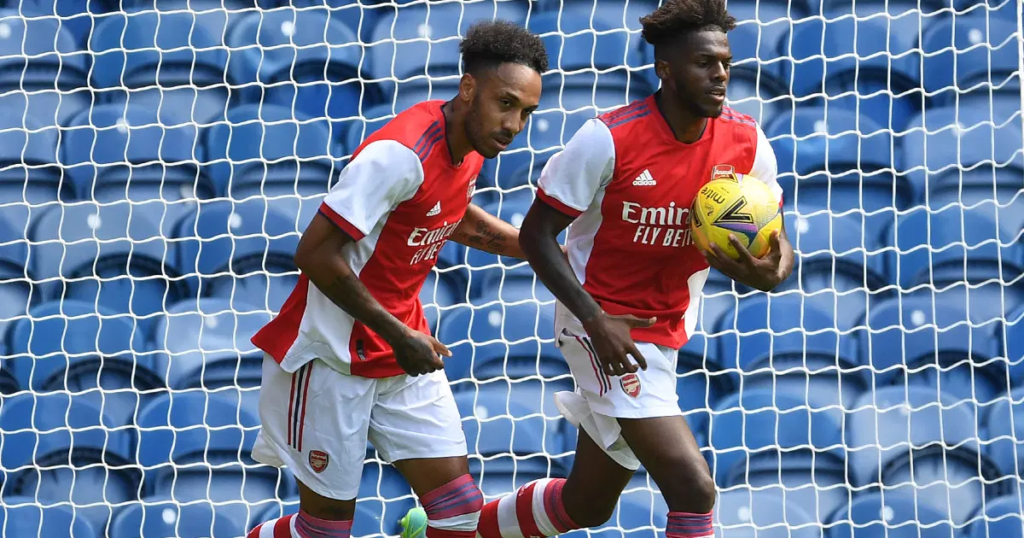
Pandemic-era football in 2020 was just weird. Nothing but empty stadiums filled with the echo of studs on turf, balls being kicked, and the occasional shouts from the bench. And at the Emirates, every mistake landed louder in a ground with nobody in it to absorb the silence.
When the pandemic started in late February, Arsenal were hovering around mid-table, sitting 10th, and at that time, AFTV had never had a larger audience. Every bad result got dissected within the hour, on camera, outside a stadium that had nowhere left to send its anger except a phone screen.
There was an “Arteta Out” chant that tried to catch fire and never quite managed it. This was not because the football was good, it mostly wasn’t, but because you could see, even through the frustration, that the manager was actually trying to build something instead of just managing a graceful decline.
When lockdown football resumed, Arsenal were well beaten by City 3-0, then lost to Brighton and Hove Albion at the Amex, 2-1. But that Amex defeat reshaped the course of Arsenal’s season and became a foundation for Arteta’s rebuild.
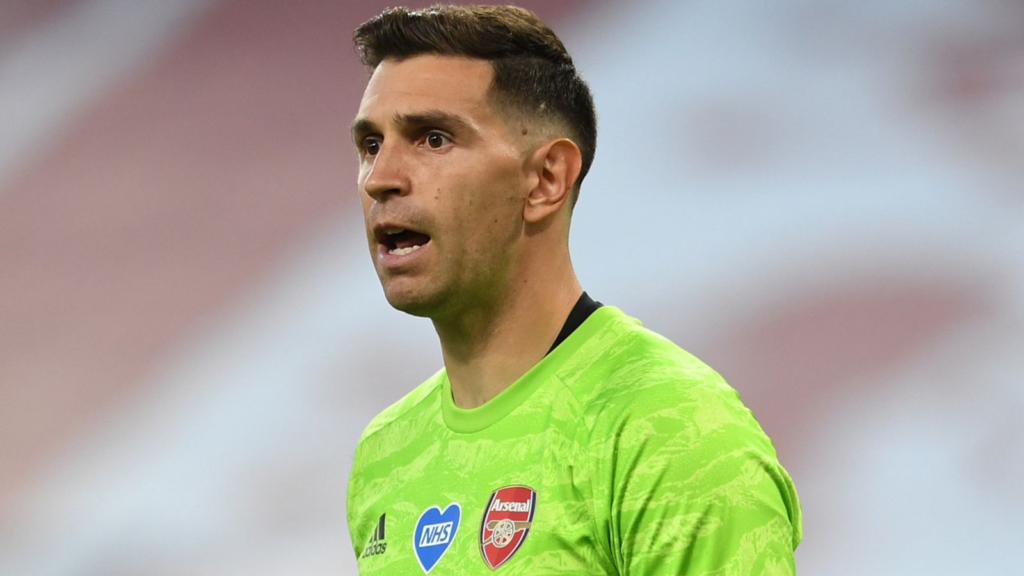
Goalkeeper Bernd Leno went down under a challenge from Neal Maupay in the first half and was stretchered off with a knee injury. This turned out to be one of the biggest plot twists in football history.
Leno’s replacement was a keeper nobody outside the training ground had thought about in years. Emiliano Martínez made his first Premier League appearance in three seasons, and once he had the shirt, he never gave it back.
He was impressive between the sticks and played an instrumental role (alongside skipper Pierre-Emerick Aubameyang) in an FA Cup final win over Chelsea and a Community Shield win over English champions Liverpool. He cried when lifting the FA Cup at Wembley because a decade of waiting was answered in one afternoon. But Arsenal let him leave anyway.
Arteta backed Leno as his long-term No. 1 for the following season, and Martínez was done waiting for his turn after the year he’d just had. He walked, ending a ten-year stay at the club, to move to Aston Villa.
What happened next belongs to Villa’s story more than Arsenal’s: a Copa América, a World Cup, a reputation as maybe the best penalty-shootout goalkeeper alive, but it was built somewhere else. It’s still the what-if story nobody at Arsenal quite wants to finish out loud.
Getting rid of Emi Martinez was a reasonable call at the time, but in hindsight, maybe a banter-era mistake for a club still finding its footing.
The Great Reset
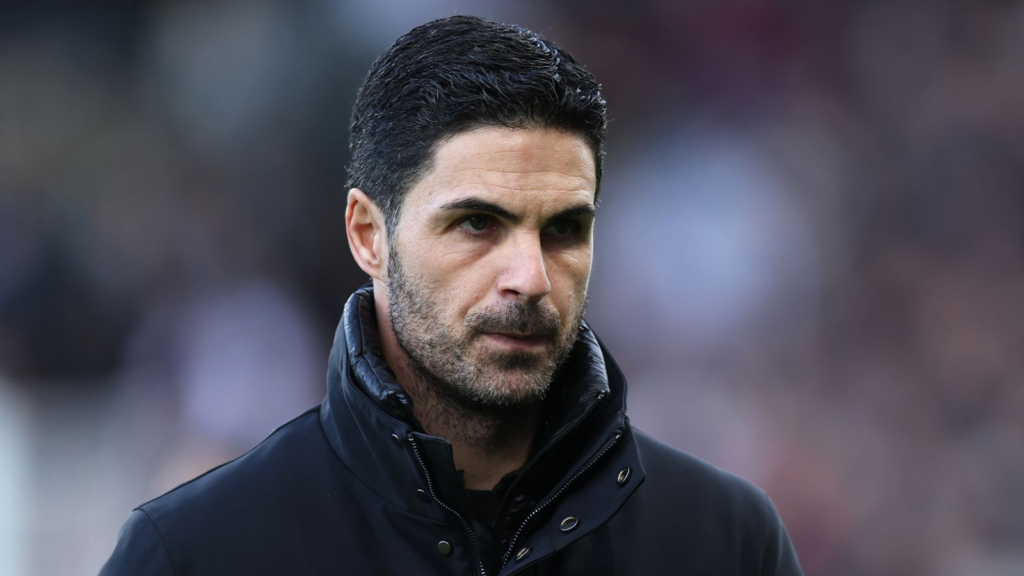
Arteta’s first message to the squad was about three core principles: respect, commitment, and passion. Arteta called them non-negotiables, telling the squad that the most beautiful words can be painted on a training-ground wall, but they mean nothing without the behaviour behind them.
In essence, he was saying fall short of the standard, and you don’t get to stay. And he meant it in a way most managers who say things like that don’t.
Wenger’s last great romantic signing, Mesut Özil, got frozen out of the squad entirely. He was not injured, and maybe his form did take a dip on the pitch. But for a player regarded as a cult hero to the fans, his absence from selection, week after week, sent a clear message. Values mattered, and non-negotiable meant non-negotiable.
Then came the biggest one. Pierre-Emerick Aubameyang wasn’t a fringe player you could quietly exile. He was the club captain and top scorer, who was instrumental in an FA Cup and Community Shield triumph for Arteta. But after one disciplinary breach too many, Arteta stripped the armband, put him in solo training, and eventually tore up the contract altogether.
It was a decision that cost Arsenal goals they badly needed and probably cost them a top-four finish that season, ending the season in fifth, two points behind sworn enemies Tottenham Hotspur.
The criticism was deafening from the press, but Arteta stuck to his guns. Alexandre Lacazette and Nicolas Pepe were next to go. Two more names from an era of expensive spending that had bought talent without ever asking whether the talent was the right cultural fit.
Arsenal spent millions to clear players out of the building. It looks like a genius move in hindsight now, with trophies in the cabinet, but at the time, it looked like a manager burning his own squad down for a make-believe principle.
Becoming Challengers
Arsenal finished eighth twice in Arteta’s first two seasons, the exact table position that had gotten Emery sacked. And the football wasn’t pretty, and the squad wasn’t good enough yet to hide it. And in 2021/22, they lost two of their last three games of the season to surrender fourth place to Tottenham.
However, something was happening beyond the results on the screen.
Between 2020 and 2022, while City battered Arsenal on the pitch whenever the two teams met, word inside the game was that Guardiola still saw Arteta as someone to be looked after. A phone call here, a word of encouragement in the press after a 5-0 bashing, all signalling the tone of an old teacher checking in on a student he liked but didn’t yet rate as competition.
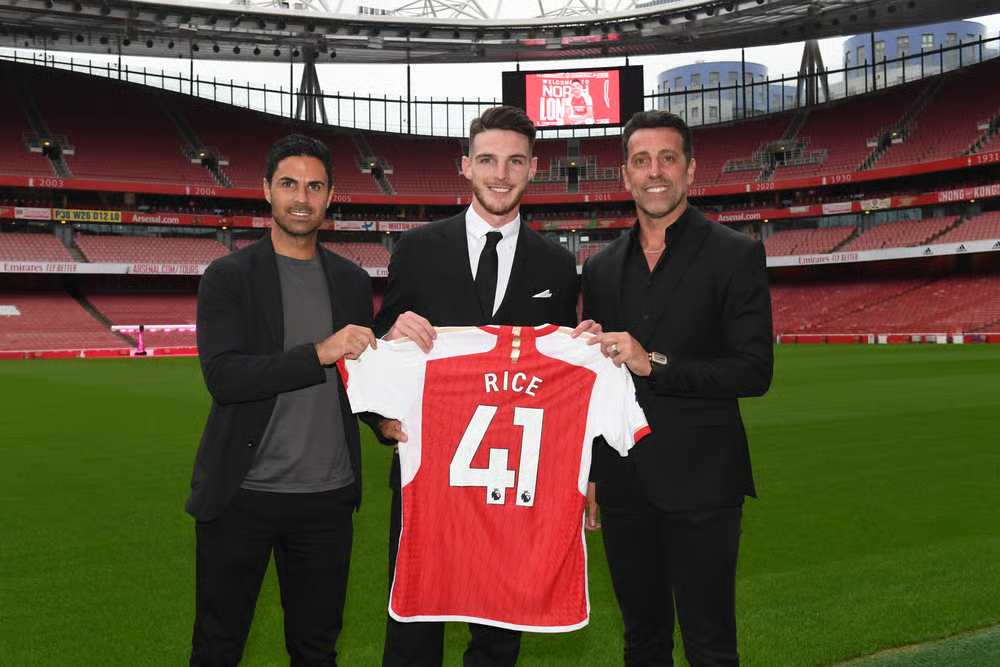
Nevertheless, that tone had disappeared entirely by 2024. Nobody was patting anybody on the head anymore. The clearest proof arrived in the summer of 2023, in the fight for one midfielder. City had more money to offer for Declan Rice, but he chose Arsenal anyway. Those close to the move said he could see he was going to be loved there, and he wanted that more than the extra zeroes.
A banter club doesn’t win a bidding war against Manchester City for a generational talent on culture alone. Arsenal just did. How?
The Way of the Bottle: The Second Banter Era
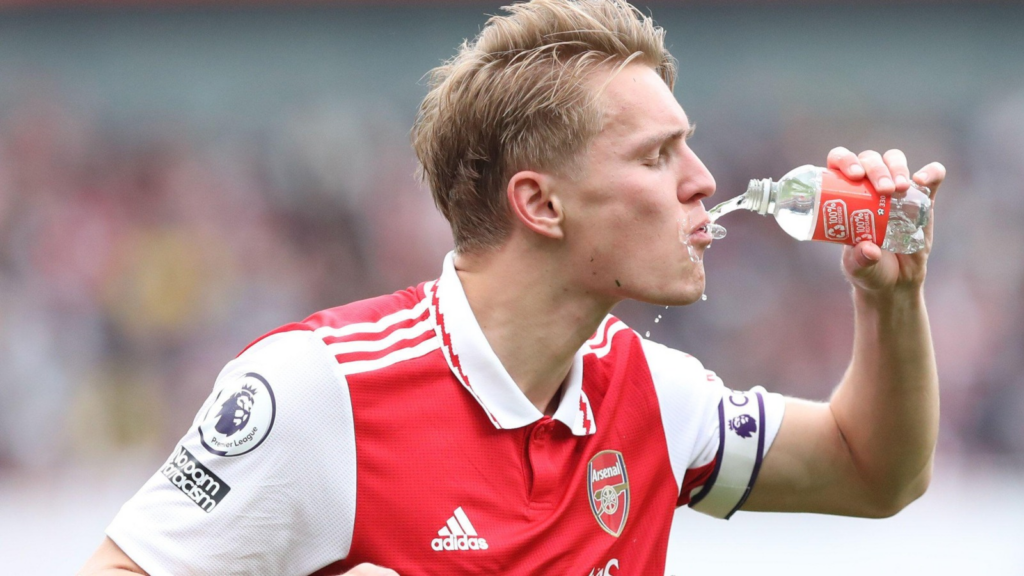
Just as the old jokes should have died, new ones arrived to replace them. Bottlers.
Search the term ‘bottlers in football’, and Arsenal is one of the top results — and if we’re being honest, it was spot on.
If you are new to the sport, “bottler” is a term used by fans and the media to describe a team that collapses under pressure. It applies when a squad fails to secure a championship, drops a massive points lead, or blows a significant in-game advantage during the closing stages of a season. And Arsenal did it twice, back-to-back.
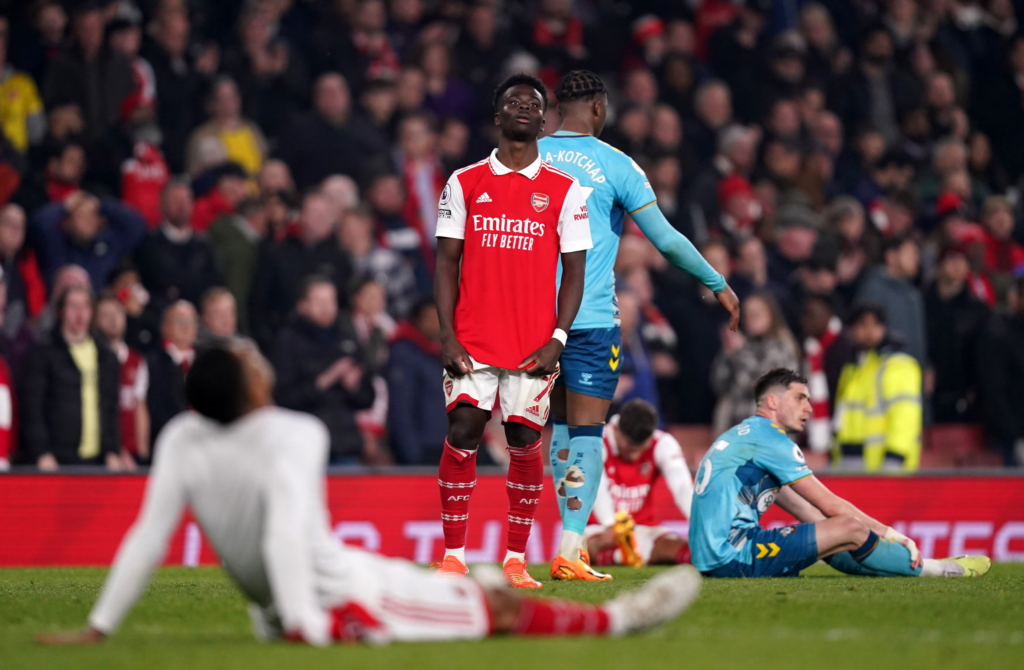
2022/23 Campaign: The First Bottle Job
Surprisingly, Arsenal spent most of the season top of the table, playing with a freedom nobody at the club had shown in a decade, genuinely believing — for the first time in years — that the title was theirs to lose.
They had been buoyed by the signings of former Man City players Gabriel Jesus and Oleksandr Zinchenko, players who knew what it meant to fight for top trophies. Arsenal held an eight-point lead at the top of the table in April, led the league for 248 days, but dropped points in crucial matches against Liverpool, West Ham, and Southampton, ultimately handing the title to Manchester City.
City did what City does in April and May, and Arsenal, still learning what it felt like to be chased rather than chasing, folded under the weight of their own hope. This bottle job was excused as inexperience.
2023/24 Campaign: The Second Bottle Job
Declan Rice was in the building now, marshalling the midfield, and struggling to live up to his massive price tag. Jurrien Timber had come in from Ajax, Kai Havertz from Chelsea, and David Raya from Brentford. Key players in all parts of the team, and Arsenal ran City closer than anyone had in a generation.
In the second half of the season, they won 16 of the final 18 games. In one of the two games they failed to win, they drew City at the Etihad, but they lost to Villa at home. Two points, in the end, separated the champions from the runners-up on the final day. Closer than close but still not enough.
2024/25 Campaign: Third Time’s Still Not the Charm
A third straight runner-up finish followed, but it didn’t sting as much as the other two. Maybe we were all getting used to it, or it was simply because Liverpool ran away with the league.
Arsenal suffered a staggering 100 fitness setbacks during the campaign, making them the first Premier League team to reach this milestone across two seasons. Key players like Gabriel Jesus (ACL tear), Kai Havertz (knee and hamstring), and Martin Ødegaard (ankle) were all sidelined.
“Arsenal bottled it again” and “Bottlers FC” calcified into its own genre of punchline online, softer than #WengerOut, but somehow crueller because this time nobody was laughing at incompetence.
We were watching a genuinely good team find a new way to lose the same race every spring, and wondering out loud whether that was simply what this version of Arsenal was: brilliant builders who are permanently unable to finish the job.
It would have been easy to believe that. Three near-misses in three years is a pattern, and patterns are what football writers build careers noticing. But what that reading missed was the alternative. This was exactly what the run-up to a breakthrough looks like from the inside, right before it happens.
Gold at Last: 2025/2026 Campaign
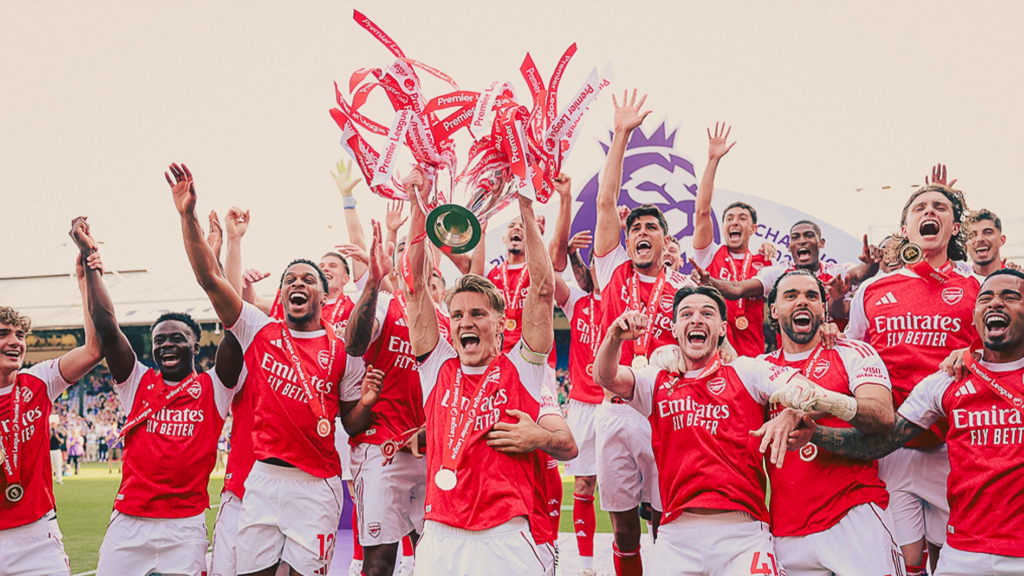
After years of bottling the League, Arsenal didn’t fold a fourth time and finished the 2025/26 season champions of England, seven points clear of City. They were close to bottling it a few times, but it took a massive collapse by Manchester City to hand Arsenal the trophy.
The title was mathematically wrapped up before the final round of matches even kicked off. This was the 14th English league title in the club’s history and fourth of the Premier League era, two clear of Liverpool and one behind Chelsea.
Statistics don’t lie, and the numbers tell you what six years of “non-negotiables” actually built. Fewest goals conceded in the league (26) with David Raya winning the Golden Glove behind a defence that simply didn’t break.
Arsenal became the first team in Premier League history to go a full season without conceding a penalty or receiving a red card. All this still was not without criticism: a record nineteen goals from corners alone briefly tagged Arsenal “Corner FC”. But in fairness, set pieces turned into one of the most efficient weapons in the league.
Viktor Gyökeres led the scoring after arriving that summer, but Bukayo Saka, Eberechi Eze, Leandro Trossard, Martin Zubimendi, Mikel Merino, and Rice all found the net regularly, too. Assists were also spread just as wide across Martin Ødegaard, Jurriën Timber, Gabriel Magalhães, Trossard, Rice, and Saka. There was no single name the team was solely dependent on. No Aubameyang-shaped hole waiting to open up the moment one player has a bad month.
And there was Max Dowman, a sixteen-year-old from the Hale End academy, who became the youngest goalscorer in Premier League history with Arsenal’s Goal of the Season against Everton, deep in the title race. He is now the youngest player ever to win the title, beating Phil Foden’s old record by more than a year.
When it finally landed, against Crystal Palace on the last day, North London turned red and white before the sun was properly up. Supporters’ clubs on every continent were watching the same match at wildly different hours, all celebrating in tears and laughter at once. Twenty-two years is long enough that an entire generation of Arsenal fans had never once experienced this.
Then Arsenal flew to Budapest, and the second banter era found one last jab to throw at them.
Almost Becoming the Unforgettables
For just the second time, and the first since 2006, Arsenal qualified for the Champions League final on a night that sparked wild celebrations, almost like they already won the trophy. A night that brought out a side of Arteta that we’d not seen before: dancing with players and fans on the pitch at full-time. But that job was not done.
Six days after their coronation day at the Palace, Arsenal lined up at the Puskás Aréna in Budapest against defending champions, Paris Saint-Germain. Six minutes into the game, Kai Havertz turned in a deflected clearance, and Arsenal went ahead.
The last time Arsenal had been here, they’d also led early, and Arsène Wenger himself was in the stands in Budapest this time, watching his old club chase the one trophy his own great side never managed to win.
But PSG equalised in the second half with Ousmane Dembélé scoring from the penalty spot after Cristhian Mosquera fouled Khvicha Kvaratskhelia. And after ninety minutes and extra time, only penalties could separate them.
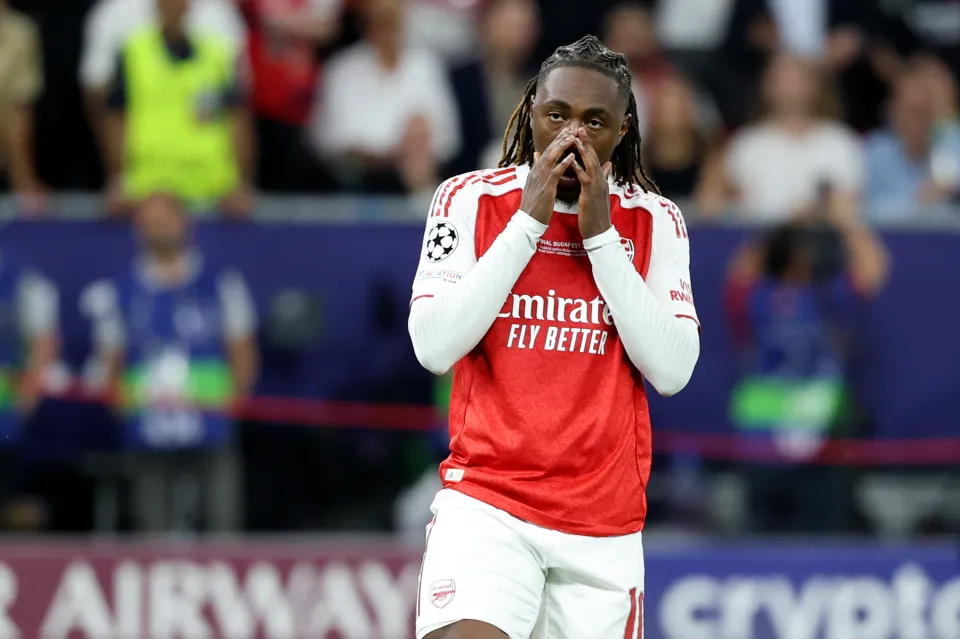
This was the first Champions League final shootout in a decade.
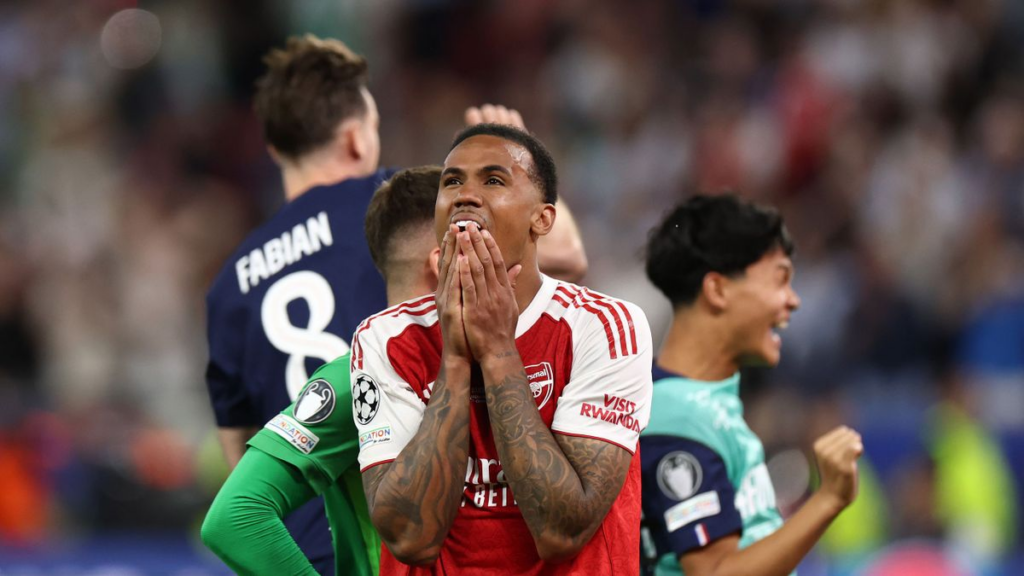
Eberechi Eze missed, and the final kick was sent into the Budapest sky by Gabriel Magalhães as PSG won it 4-3 to become back-to-back European champions.
Gabriel pulled his shirt up over his face and stood there while teammates tried to get to him. The same disappointment was etched on the faces of Eze and millions of others who donned the red and white of Arsenal.
Minutes earlier, both Rice and Arteta had been booked for arguing a penalty shout they were certain should have stood. Nobody on that pitch was laughing, and that’s the detail that matters. In fact, Arsenal were close to winning every trophy they competed for, losing the Carabao Cup final to Manchester City and being knocked out in the quarter-final of the FA Cup by Southampton.
Some would say they were close to bottling everything again if City had not done a favour. But I choose to go the opposite way. Arsenal are close to doing something really massive, and rival fans are scared: the noise would be deafening if that happens.
A team that had already won everything at home, gutted to lose one more thing, is not the same team that used to shrug off disappointment because losing was simply what Arsenal did. This was a team that expected to win and couldn’t accept it when they didn’t. Painful as it looked in the moment, that’s exactly what six years of culture-building were supposed to produce.
Welcome to the Arsenal Dynasty
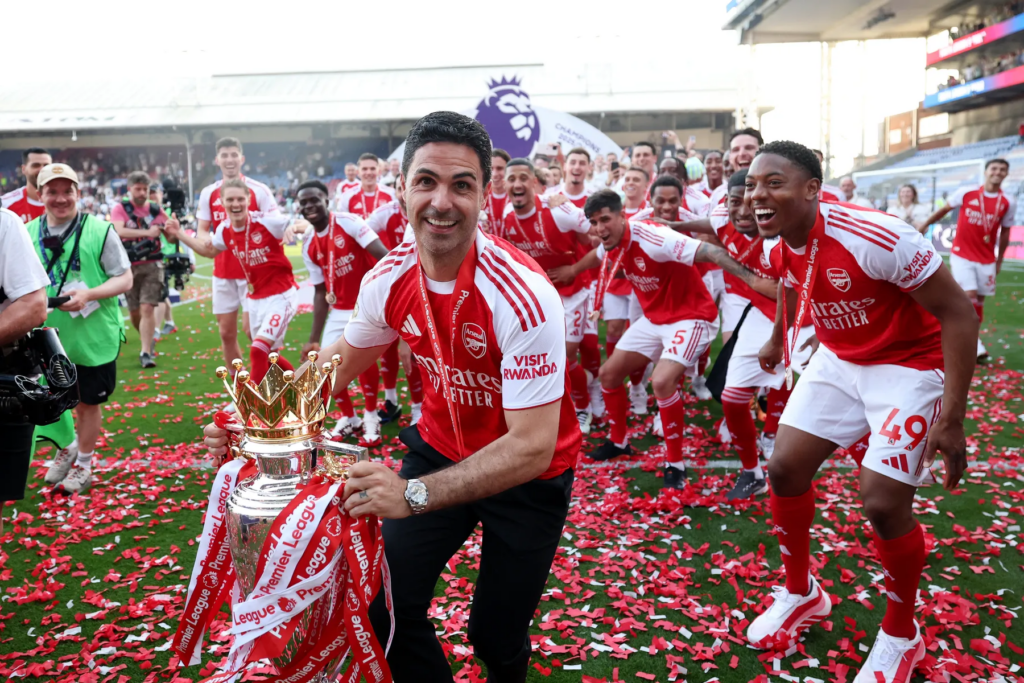
Arsenal lost a European final on penalties in the same month they were finally crowned champions of England. You’ll still hear the jokes around, but no one is laughing because losing at Arsenal means something again.
Go back to where all of this started for a moment. A manager mocked into punchlines because of his accent and courtesy, a captain stripped of his armband for a principle nobody outside the building could see yet.
A goalkeeper who left in tears and won a World Cup somewhere else, and banners were flown over stadiums on the other side of the planet, demanding a manager’s head. Most clubs that inherit a mess like that never find their way out of it, so this ending was not guaranteed.
What got Arsenal from there to a trophy lifted at Selhurst Park wasn’t just talent — City, Chelsea, and Manchester United all have talent too. It was a manager who understood, from his very first team meeting, that you cannot coach your way out of a broken culture. You have to tear it down first, then build something that doesn’t crack the first time it meets real disappointment.
Arsenal head into the new season as the team everyone else has to catch, not the team everyone else quietly hopes stumbles again come February. Arsenal, for the first time in decades, are favourites for the Premier League title, and deservedly so, with rivals scrambling to catch up.
That’s an unfamiliar seat for a club that spent the better part of two decades as English football’s favourite punchline. It might take a Champions League trophy of their own before the football world fully believes it’s permanent. And guess what? They are one of the top favourites for that trophy as well.
Each season since their return to the biggest continental competition, they have advanced one round further. A quarterfinal exit at the hands of Bayern Munich was followed by a semifinal exit at the hands of PSG. They lost the final to the same opponents, and the next step is winning the whole thing.
The banter era is over, and what comes next gets judged as a dynasty, or it doesn’t get remembered as anything at all. Arteta already knows which one he’s building. We’ll have to see it on the pitch when the whistle sounds against Coventry next season.
Who wrote this?

Philip is a sports broadcaster at Royal FM 95.1 in Ilorin, Nigeria, where he presents Sport File and Soccer Chat. Away from the mic, he writes long-form football pieces and runs Football Chronicles on YouTube. He has worked with AFTV, Kwara Youth League and Koller FA. He's interested in the stories behind the results — why teams rise, why they fall, and what gets forgotten in between.