



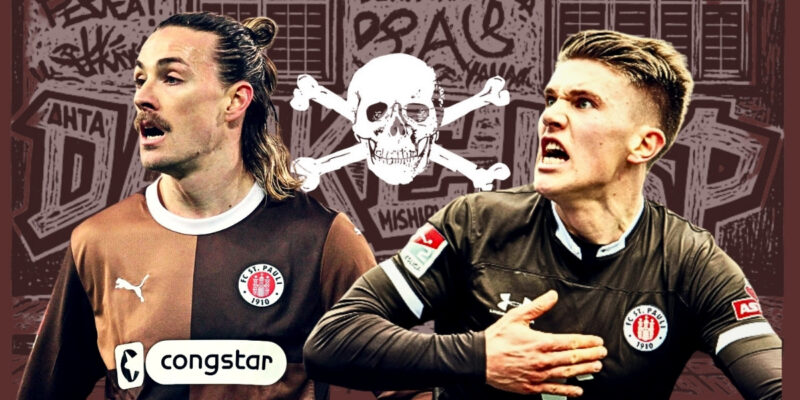
Football clubs, as an unwritten rule, chase trophies. They are structured to chase titles, awards, a larger fan base, revenue, and achievements that elevate the club’s status.
However, one club in Germany took a different path in its journey to global recognition.
FC St. Pauli, in Hamburg’s infamous Reeperbahn district, built something more captivating than any league title: a revolution.
Founded in 1899 and long viewed as a fringe outfit on Germany’s top-flight radar, St. Pauli has become one of football’s most culturally significant organisations through its unorthodox approach.
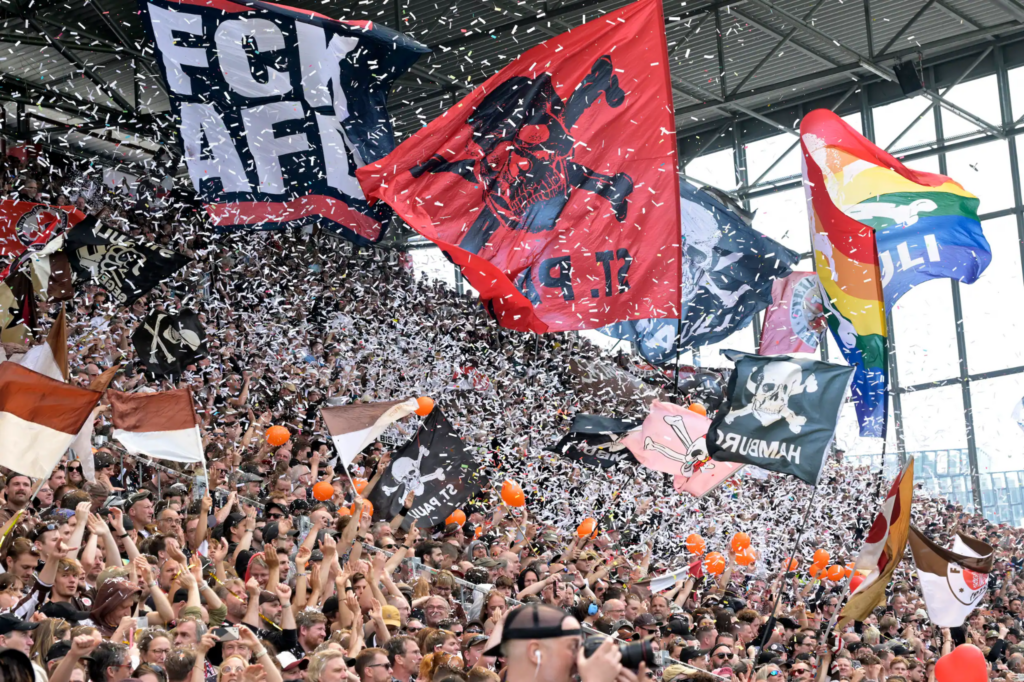
Punks, squatters, leftists, and dockworkers built the club brick by brick, turning a modest Hamburg club into a global symbol of resistance.
The club is run under a member-centric, democratic structure, and its fans engage in political and social causes, from care for refugees to segregated groups and local community movements.
St. Pauli is the first team in Germany to officially ban conservative nationalist movements and symbols in its stadium, amid right-wing supporter violence at football grounds across Europe.
This decision underlined the club’s standards to the world with absolute clarity.
Diversity has always been a core aspect of St. Pauli’s identity, but it was not until the 1980s that this inclination toward inclusivity became a vivid part of the club’s identity.
This article traces the arc of that identity, from the punk communes of Hamburg’s backstreets, through the birth of the skull-and-crossbones ‘Kult’ persona, to the club’s embrace of immigrant communities, its role in a broader global counter-cultural movement, and its brief but electric Bundesliga cameo.
The Punks From Hamburg
Long before the skull and crossbones appeared above Millerntor-Stadion, FC St. Pauli already occupied an important place in a society with distinctive social commitments.
The Reeperbahn resonates with a very raucous and bold scenery that often puts one in a very energetic mood. Neon signs hang across the streets, loud music erupts from club doorways, and strangers pass by each other like a colony of ants.
This is Hamburg’s most notorious segment. It consists of organised chaos inhabited by sailors, artists, and sex workers.
You walk further down the streets lined with peep shows and late-night bars, and the Millerntor-Stadion floodlights rise into view. The geography of this part of the city shaped the club’s destiny and identity.
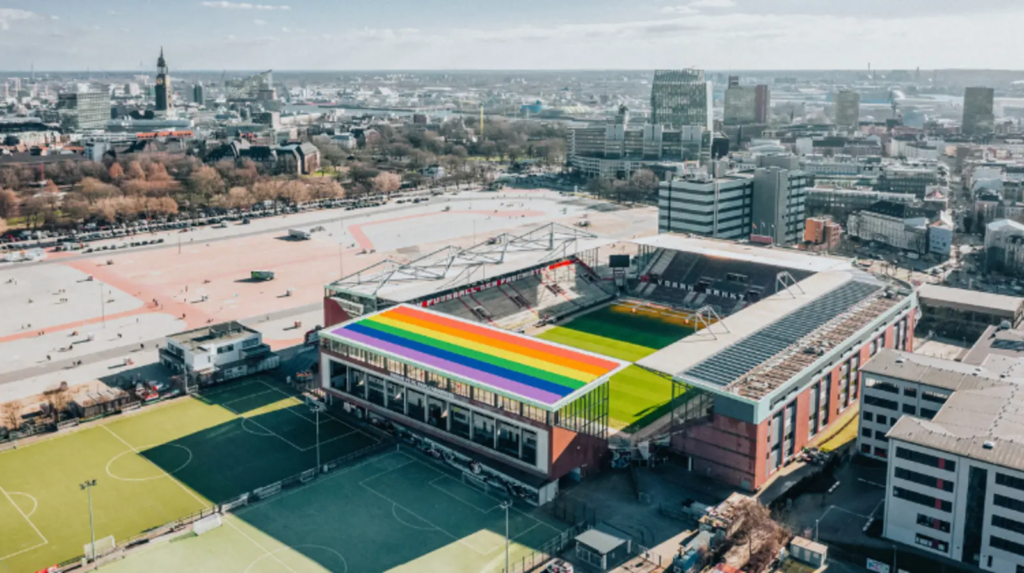
FC St. Pauli settled in Hamburg’s central urban area long before the revolution arrived. The St. Pauli district has always been different from the rest of the city.
“St. Pauli was always the place where Hamburg put whatever it didn’t want to look at directly.”
– Corny Littmann
This was a neighbourhood for a mobile working-class community, where societal outcasts came together and developed a natural tolerance for one another under the unspoken creed of “live and let live”.
While Hamburger SV drew the posh and affluent from the northern suburbs, FC St. Pauli represented the streets and the neglected, the rejects whom the city tends to forget.
This cultural openness helped St. Pauli become Germany’s rock ‘n’ roll capital in the 1960s, driven by port traffic and activity.
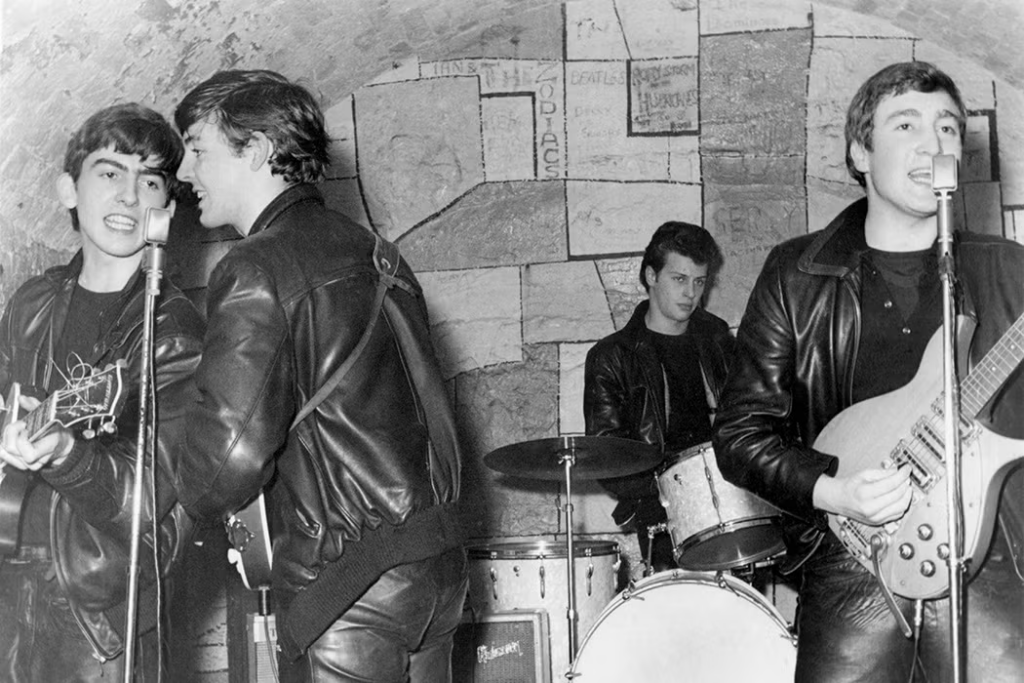
The Beatles, a young and ambitious band from Liverpool, established themselves on the Reeperbahn. It felt like a match made in heaven, as the neighbourhood was already loud and adventurous and blended with the raw rock and roll energy the young Beatles brought over from Liverpool.
Despite this energetic atmosphere, St. Pauli did not gain much recognition and remained a low-tier club.
The club attracted a select crowd of residents: harbour labourers, construction workers, and neighbourhood families who watched the game and went home afterwards, as if it were just another walk in the park.
No real fanfare or grand gestures at the club, and with an average of just 1,600 supporters per match, there was little theatrical atmosphere in the stadium during games.
However, by the late 1970s, the situation in the neighbourhood began to change, setting the stage for the transformative years ahead in the 1980s.
The Rise of the “Kult” Persona
In the early 1980s, Hamburg’s city authorities decided to embark on a plan to evict the left-wing squatters situated on Harbour Street.
When city authorities took action against them, the residents refused to fold. They mobilised and fought back with the conviction of people who had nothing to lose and everything to gain.
“We were not just occupying buildings,” one activist from the Harbour Street resistance later recalled. “We were occupying an idea that this city belonged to us, too.”
In their quest for a place that felt like home, the squatters and Hamburg’s youthful populace turned to Millerntor.
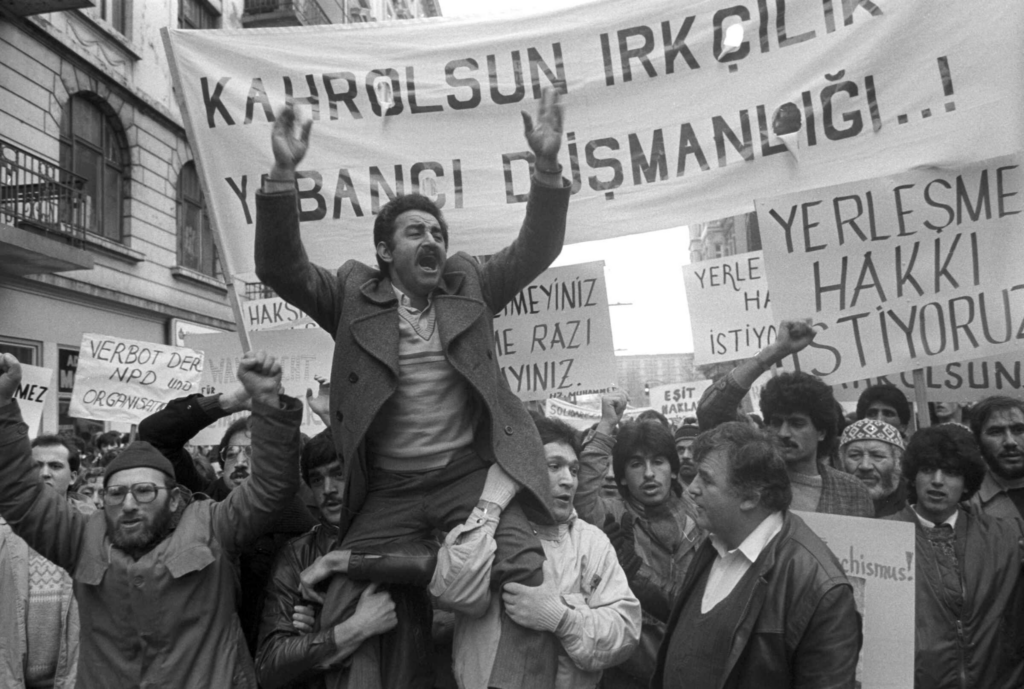
They walked through Harbour Street and the stadium, filling the area with anti-fascist banners and political chants.
Wave after wave of invigorated youth flooded the terraces through the mid-1980s, bringing a massive shift in the order of the city.
Their efforts eventually pushed out the hooligan elements within St. Pauli’s terraces in the late 1990s.
This new congregation planted its flag, literally, and was successful in eliminating hooligan elements that once plagued the club.
“We didn’t come to watch football. We came because we had nowhere else to be together.”
By the mid-1980s, right-wing elements had been expelled, not by the police or the club’s stakeholders but by the large number of radicals who refused to back down.
“The terraces became our street corner,” one founding member of the fan organisation Jolly Roger recalled. “We didn’t come to watch football. We came because we had nowhere else to be together.”
Then, sometime in the mid-1980s, Doc Mabuse arrived with a broomstick.
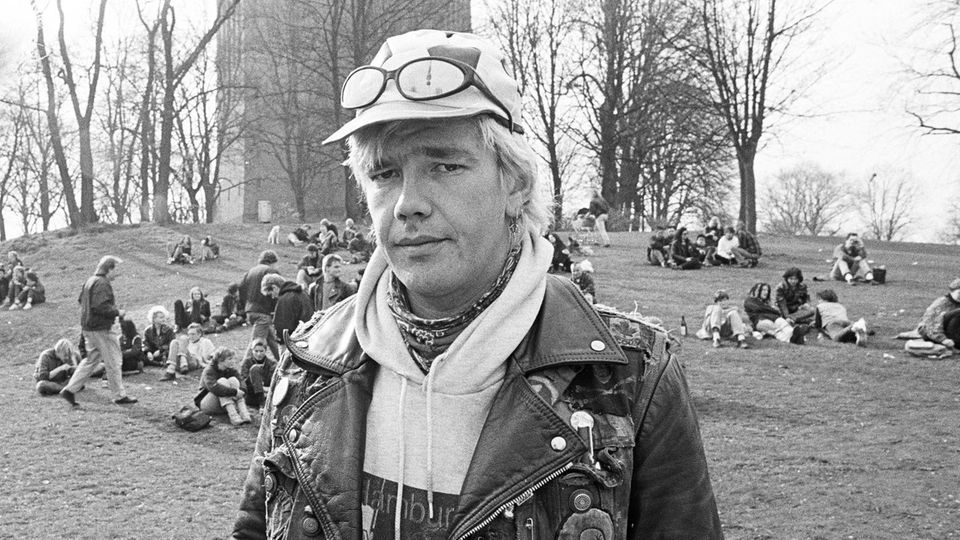
An important figure in Hamburg’s punk underground, Doc Mabuse pioneered what is viewed as a pirate flag after he bought a cheap skull-and-crossbones flag from a Reeperbahn funfair stall, strapped it to a broomstick, and carried it through the Millerntor gates.
The gesture was spontaneous, but the ripple effects were permanent.
The flag also pays homage to Klaus Störtebeker, a fourteenth-century pirate who, according to local lore, was betrayed by one of his crewmen to the Hanseatic League merchants and beheaded in Hamburg in 1401.
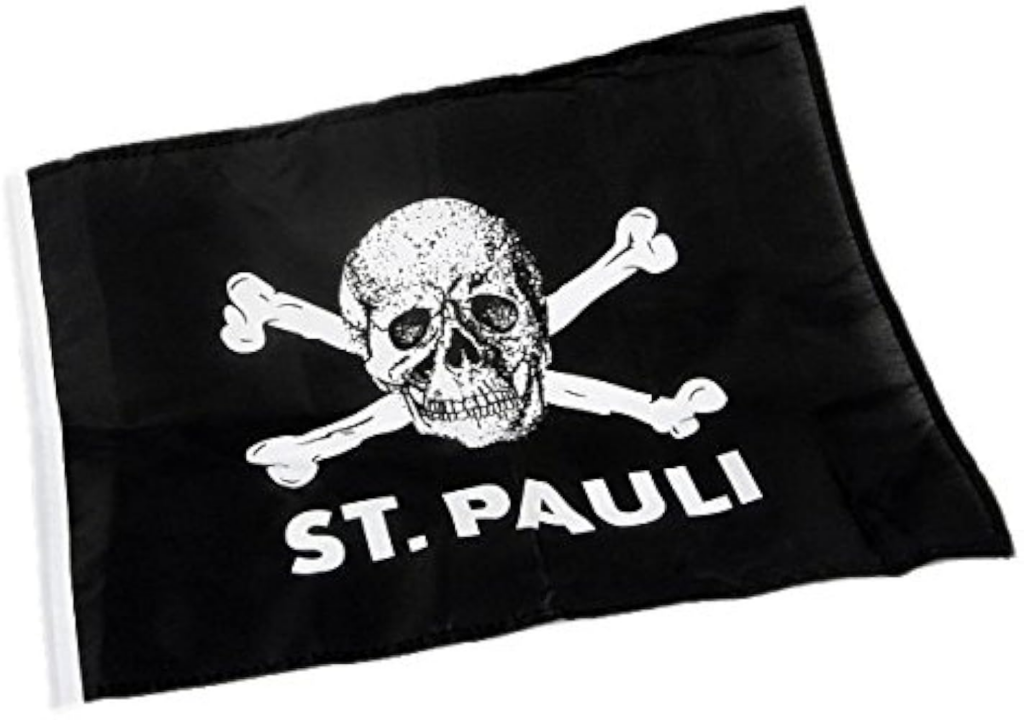
Fans did not wait for the green light from the club before taking up the symbol as the supporter emblem.
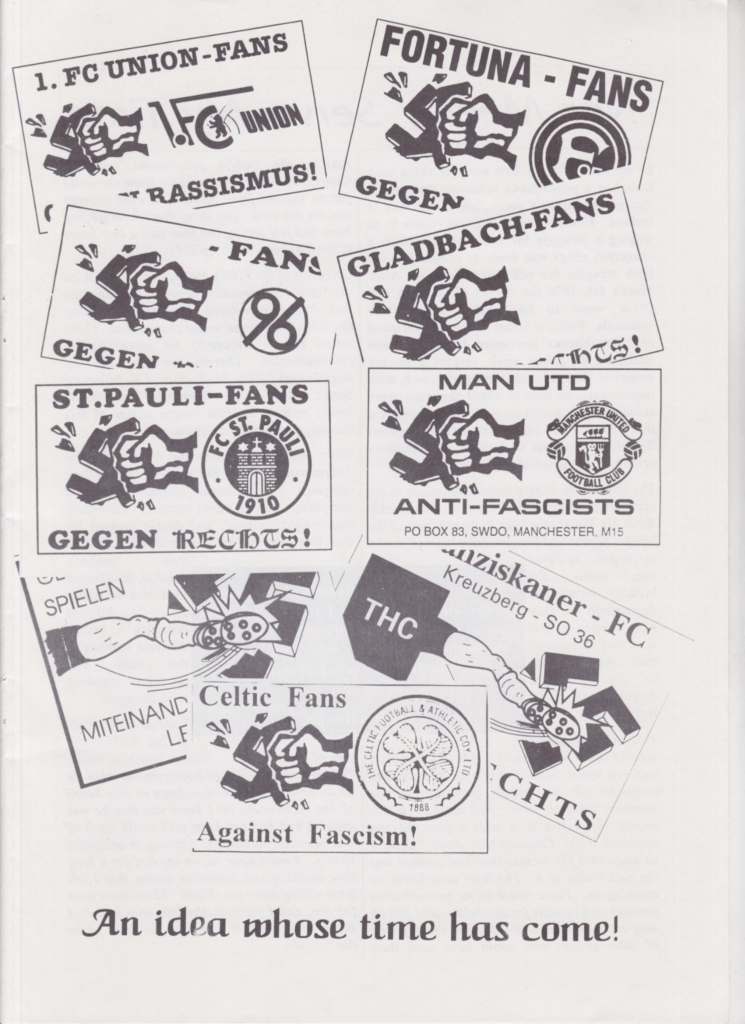
St. Pauli fans launched Di!Y merchandise, fanzines, and independent shops. They banned stadium discrimination and established anti-racist principles in the club charter.
Despite the club’s cultivated “Kult” identity, they remained cheerful even while being mediocre in football.
St. Pauli dwelt between Germany’s second and third divisions, always finding themselves in relegation battles, while also running on a tight budget and being incapable of attaining top-flight status.
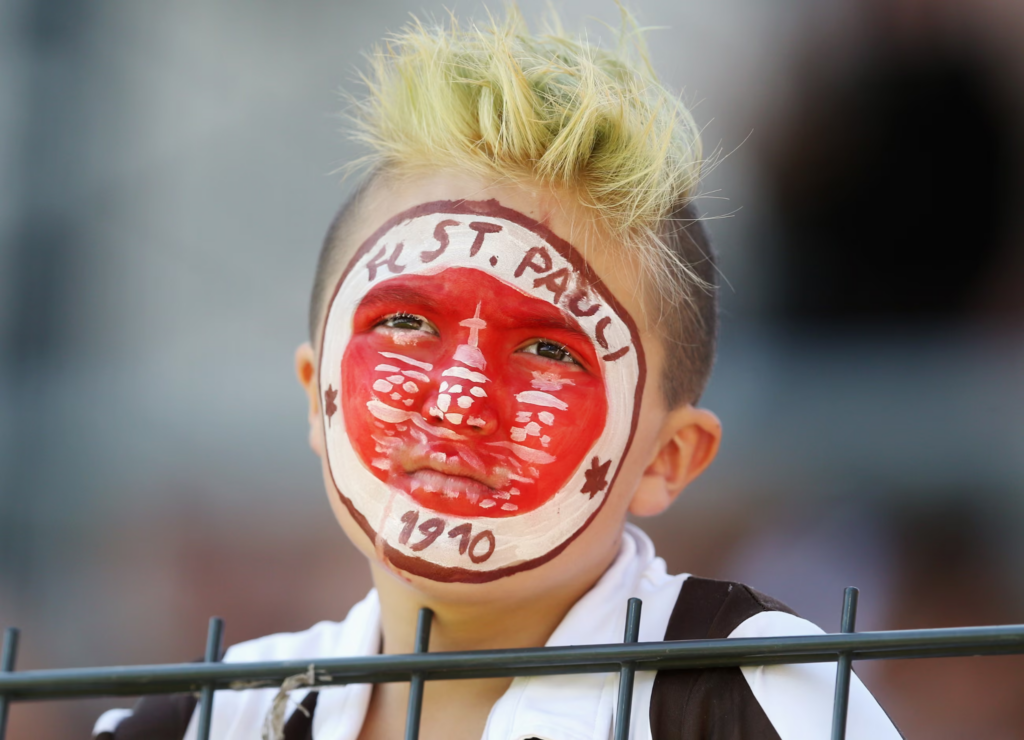
Still, their fans were content and wore the status of their club with pride.
“We would rather go down fighting as ourselves than win anything as someone else.”
Winning is not Everything
By the 1990s, European football underwent a paradigm shift in the sport’s market and business logic.
Clubs began chasing naming rights, designing corporate logos to aid branding, and engaging in boardroom discussions aimed at maximising commercial revenue.
FC St. Pauli, however, saw all this unfolding and chose the opposite path.
The club officially adopted the fan-created Totenkopf, the skull and crossbones, as a registered trademark for its primary brand identity. This marked the first major step in the club’s anti-establishment branding strategy.
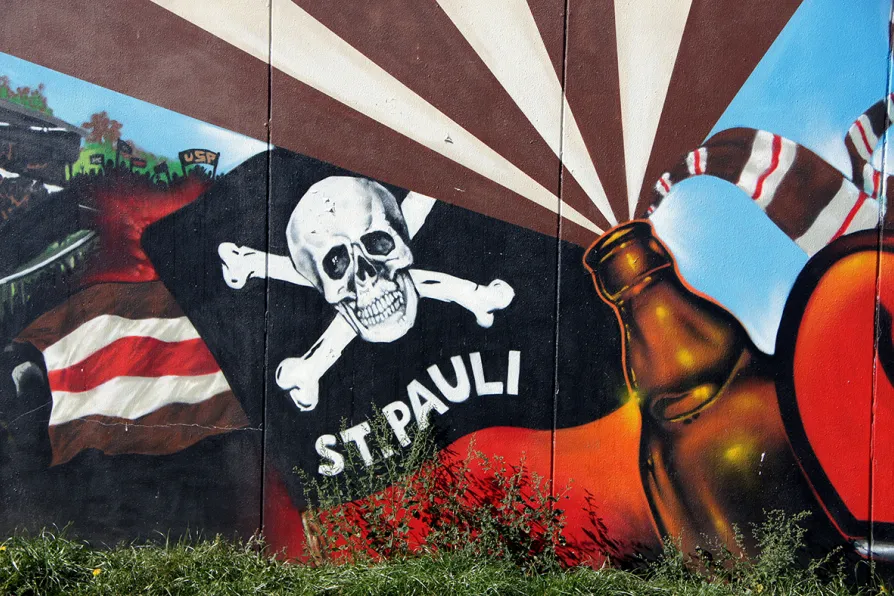
Against this backdrop, a paradox emerged. By going against commercial football, the club developed one of the most recognisable and lucrative grassroots brands in the world.
Several fans across Europe, North America, and the world purchased St. Pauli merchandise, even those who had not watched a single Bundesliga match featuring the club.
“We are not a brand,” former club president Corny Littmann once insisted. “We are a position.”
That position came with a financial setback. When an opportunity arose to sell the naming rights of the Millerntor-Stadion to corporate sponsors, St. Pauli’s membership voted to refuse.
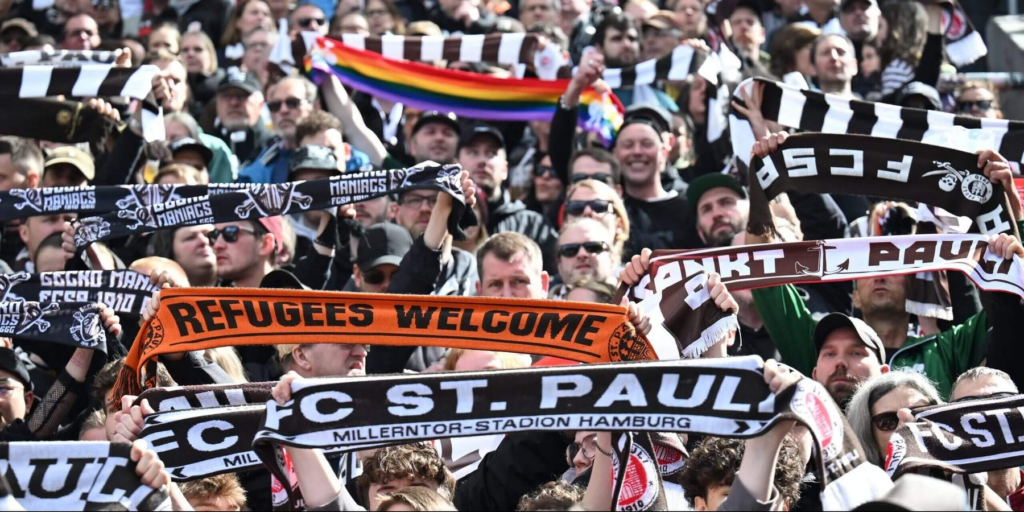
At the same time, this logic reshaped the terraces themselves. Traditional European clubs in the twentieth century were male-centred and dominated by men.
St. Pauli altered the trend by incorporating women into the affairs of the club. Due to the punk and squatter populace who associated themselves with the club, women found safety and comfort in the stands and the supporters’ club.
By the 1990s, the club boasted one of the highest percentages of female season-ticket holders in world football.
The LGBTQ+ community followed the same path. St. Pauli fans were the first in Germany to ban homophobic chants and slurs, decades before UEFA launched its formal inclusion campaigns.
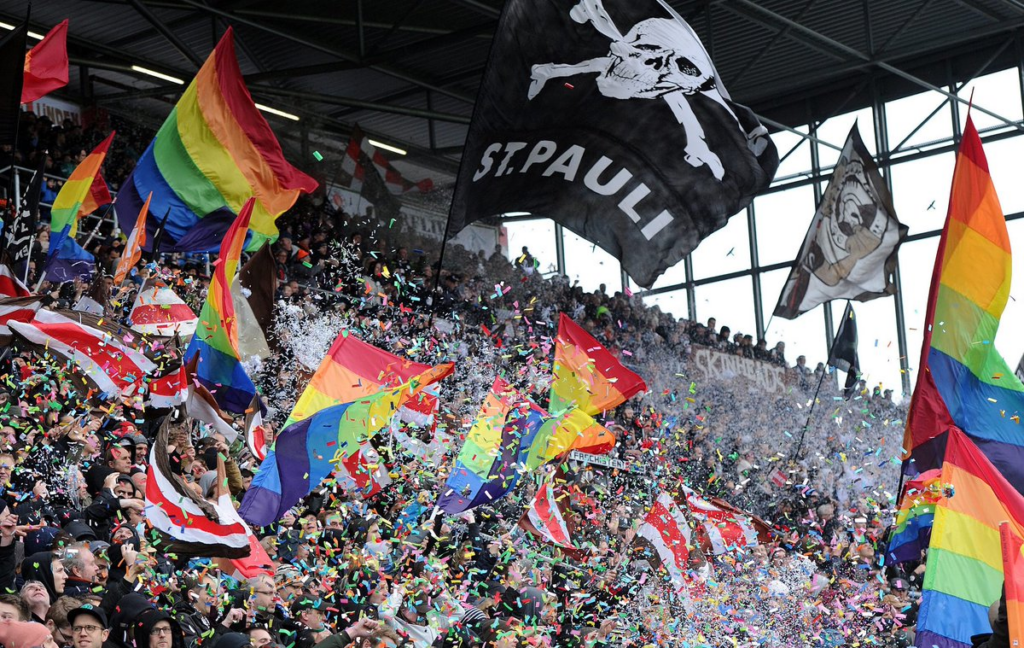
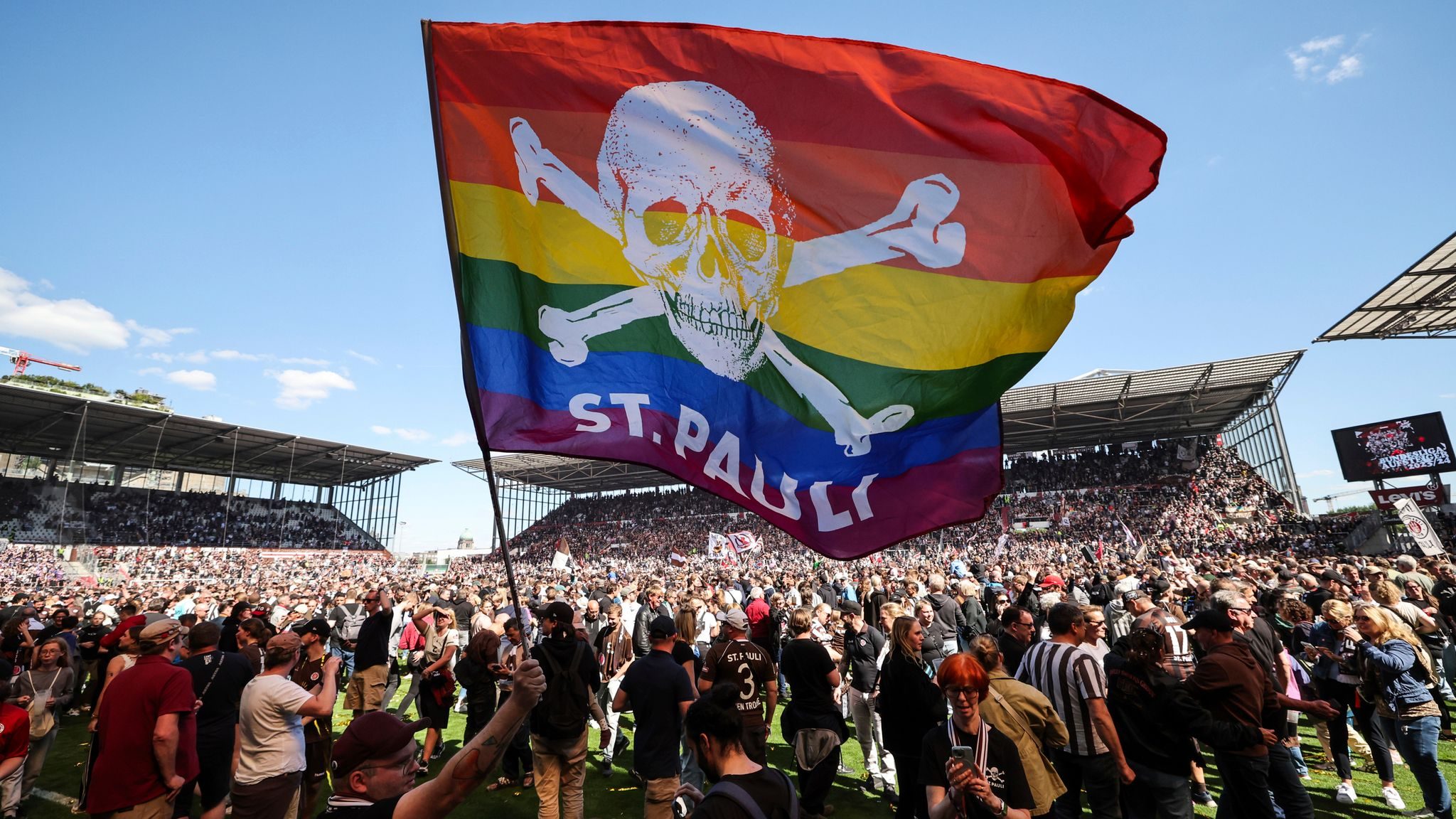
Rainbow flags and the pirate skull were displayed in tandem, and this act prompted queer youth in Hamburg to become part of the LGBTQ+ identity.
“At St. Pauli, you could be whoever you were,” one long-standing LGBTQ+ supporter reflected. “Nobody asked you to perform a different version of yourself just to watch football.”
Ultimately, St. Pauli redefined fandom itself. People who supported the club did so not for monetary or trophy-laden historical advantage, but out of genuine love and admiration for its values and directives.
Supporters treated the club as an institution for social justice and democratic authority, and few clubs across Europe could boast a feat as monumental as this.
Part of A Global Revolution
Most football clubs quantify their significance by the trophies won. In contrast, FC St. Pauli measures theirs through qualities harder to quantify or scale.
While modern football transitioned into hyper-capitalism through the 1990s and 2000s, embracing sovereign wealth funds and billionaire consortiums, St. Pauli took a different philosophical path.
This distinction from other European outfits attracted a different kind of value and prestige to the club.
Despite spending most of their history outside the top flight, St. Pauli built one of football’s largest international supporter groups.
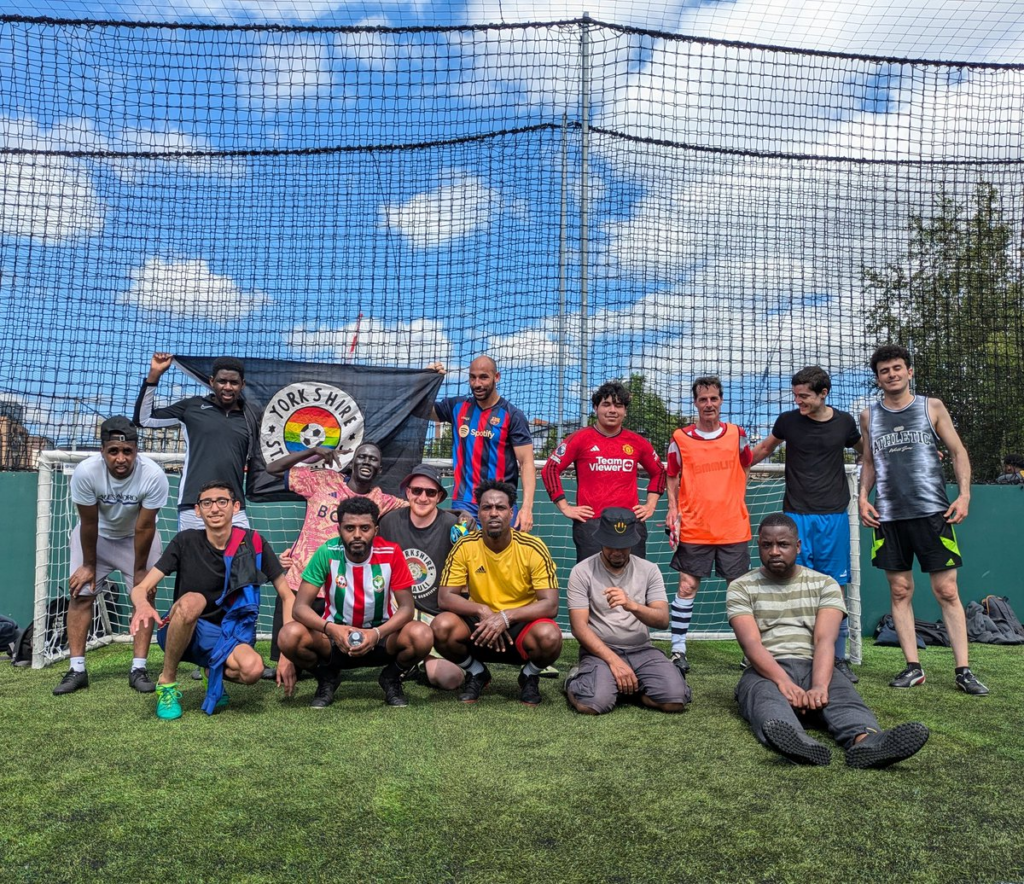
Fan clubs stretch across several countries, with Yorkshire St. Pauli among the most prominent in the UK, and equally strong ties in Ireland and the United States, where active groups operate in New York City and Buffalo.
Notably, these communities were not German citizens moving with a hometown club. They consist of people who have never visited Hamburg, and many of whom have little knowledge of football. These fans fell in love with the rarity of St. Pauli standards, as it reflects their values and political inclination.
“I don’t support St. Pauli because they win. I support them because they stand for something when standing costs something.”
This unique standing extended far beyond the stadium. The club designed its business model in such a way that it inculcates social responsibility by refusing to treat football as just a source of entertainment while its city faced human challenges.
They organised multicultural youth football programs in Hamburg’s most neglected communities and provided support and resources to aid refugees arriving from global conflict zones.
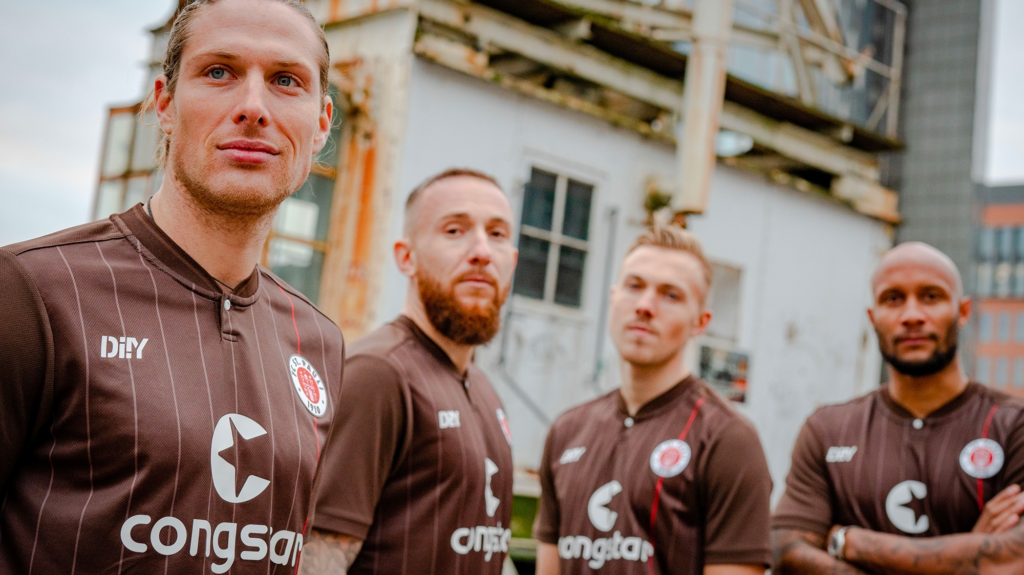
Additionally, they implemented ecological sustainability measures to tackle environmental problems at the Millerntor and launched Di!Y, their own custom-made apparel brand, to evade conventional corporate supply channels.
At the same time, St. Pauli stood at the centre of an international antifa football fraternity assembling across continents. The relationship with Glasgow Celtic, forged around 1990, became the fraternity’s most coveted alliance.
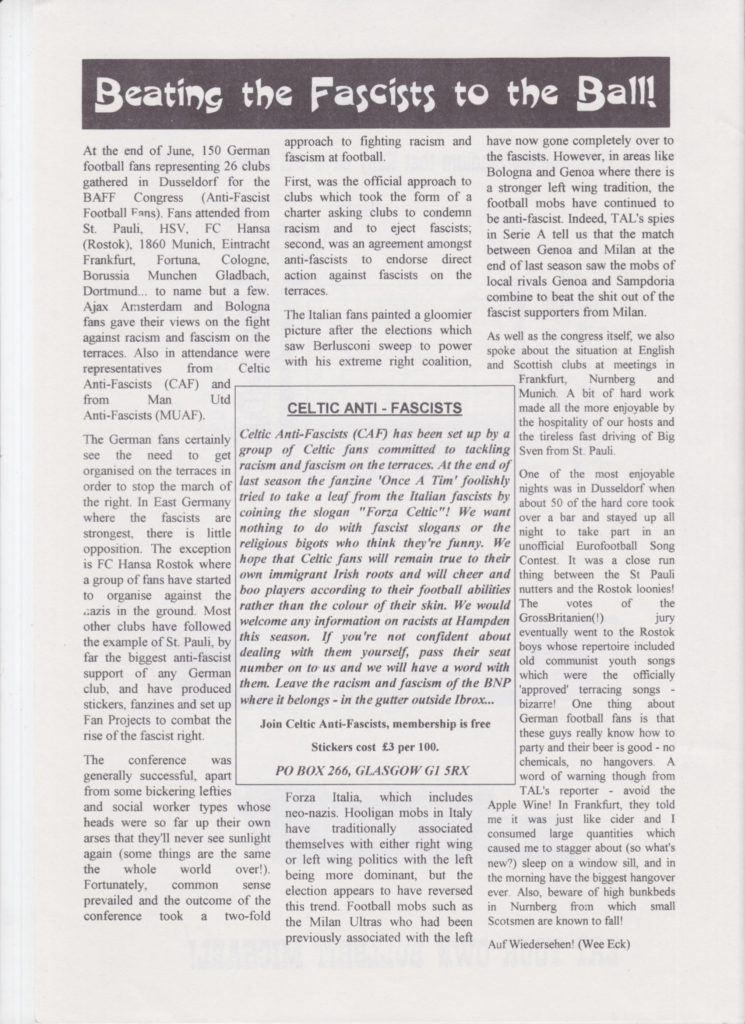
Both clubs shared similar political ideals and implementation, as well as shared visual languages in chants and tifos that endure today.
But Celtic represented just one branch in an ever-growing tree. Forest Green Rovers in England built their entire club identity around environmental activism and progressive ownership.
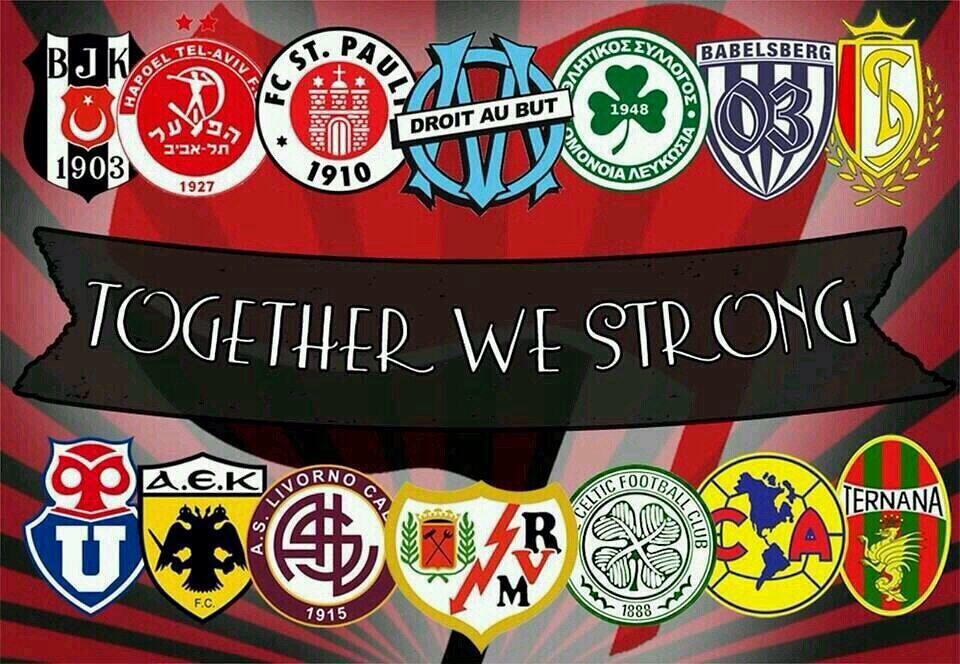
Rayo Vallecano in Madrid maintained fierce working-class, anti-fascist credentials in the heart of Spanish football. AS Livorno Calcio carried communist traditions through Italian football.
Athletic Bilbao defended the Basque cultural identity more strongly than any political movement. Real Oviedo and Portland Timbers each contributed their own distinct effort of progressive supporter culture to the collective movement.
Together, these clubs form what their supporters call the Alerta Network, a working-class, anti-fascist movement that uses football culture to challenge unsettling political ideologies across Europe and the Americas.
Immigration is Our Strength
When West African migrants fleeing turbulent conditions at home arrived in Hamburg via the Italian island of Lampedusa in 2013, the city responded sternly and with heavy regulation.
Deportation directives followed, official channels closed, and the state offered little or no protection.
FC St. Pauli and its community offered something different from what the state opted to offer. They provided shelter and community solidarity.
The Lampedusa in St. Pauli movement spread across the neighbourhood’s churches, residents, and fan networks, who all refused to allow the city to remove the refugees.
Supporters’ clubs amplified their efforts by organising demonstrations, providing housing and using the club’s platform to aid the movement.
“We are not a problem to be managed,” one Lampedusa refugee declared during a solidarity rally outside the Millerntor. “We are people. And this neighbourhood sees that.”
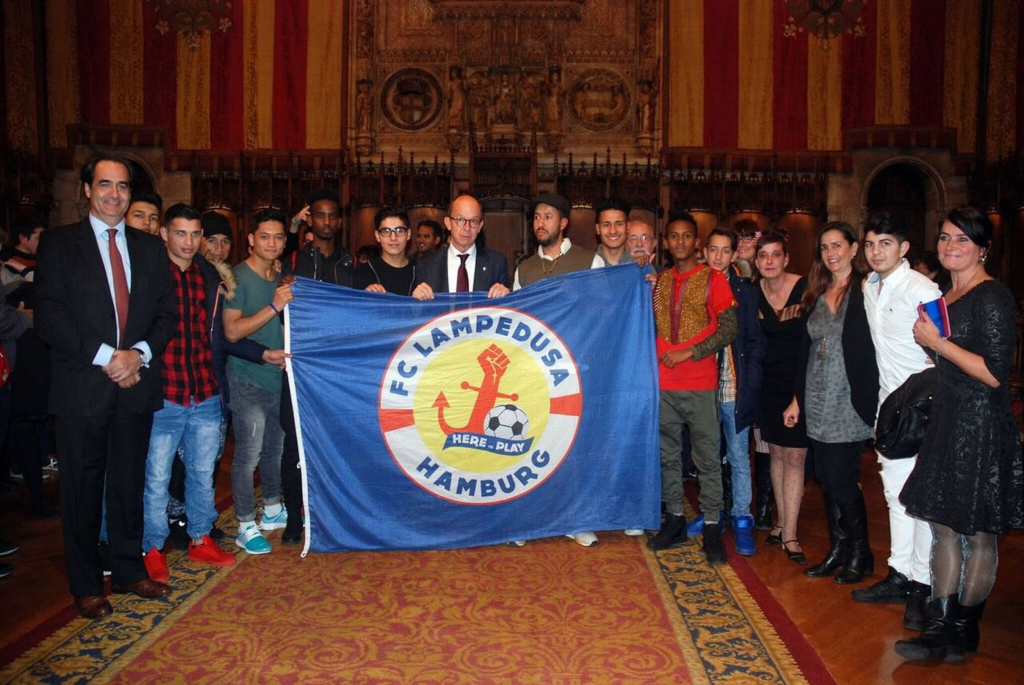
That declaration birthed a strong institutional response in 2014, when FC Lampedusa St. Pauli was formally established, an independent, self-organised football club composed of refugees and migrants.
FC St. Pauli took the newly-formed club under their wing by providing resources, coaching staff, and training facilities under a slogan that also served as a political manifesto: Here to play, here to stay.
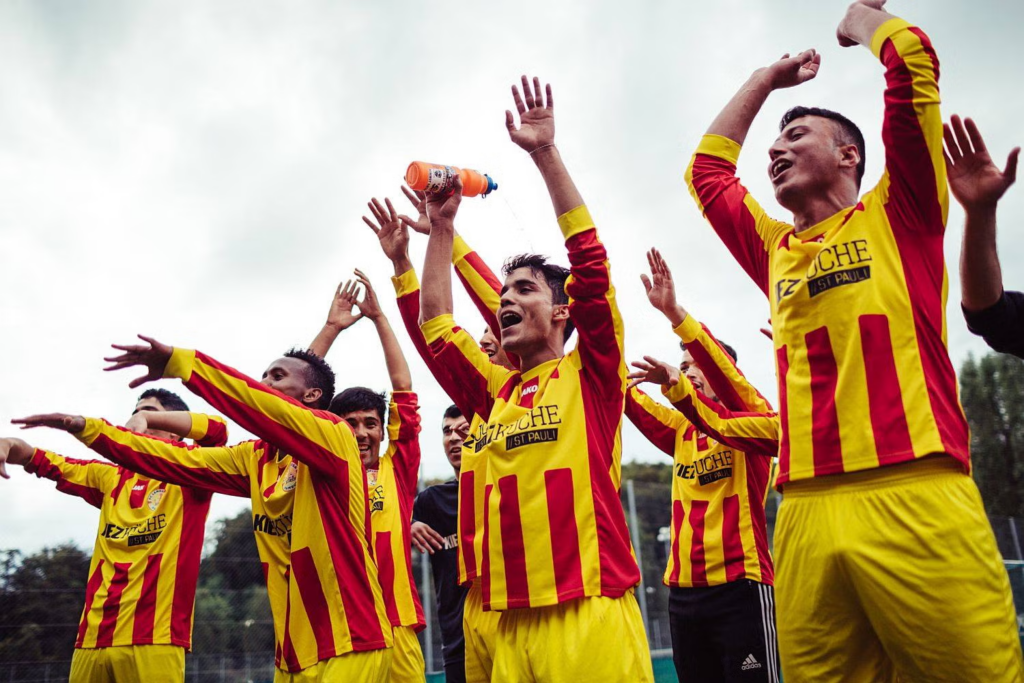
This genuine commitment spilled into matchdays at the Millerntor. The club took advantage of its public platform to protest hostile immigration policies and demand human rights for displaced communities.
Anti-deportation banners hung from the stands, and fan groups partnered with refugee advocacy organisations to host rallies and protests in the stadium.
For this reason, the institutional stance shaped the dressing room. The club’s anti-racist values and progressive identity attracted players from various backgrounds and ethnicities. The squad reflected diversity and the multicultural nature of the St. Pauli district.
When migrant communities and individuals from underserved places watch players wearing the Totenkopf who share their heritage and experience of displacement, they see something greater than sport: a community that embraces everyone.
Jackson Irvine and The Palestine Question
One thing is common in every movement, and that is the question that does not have a clear or precise answer. For FC St. Pauli, that question came with respect to Gaza.
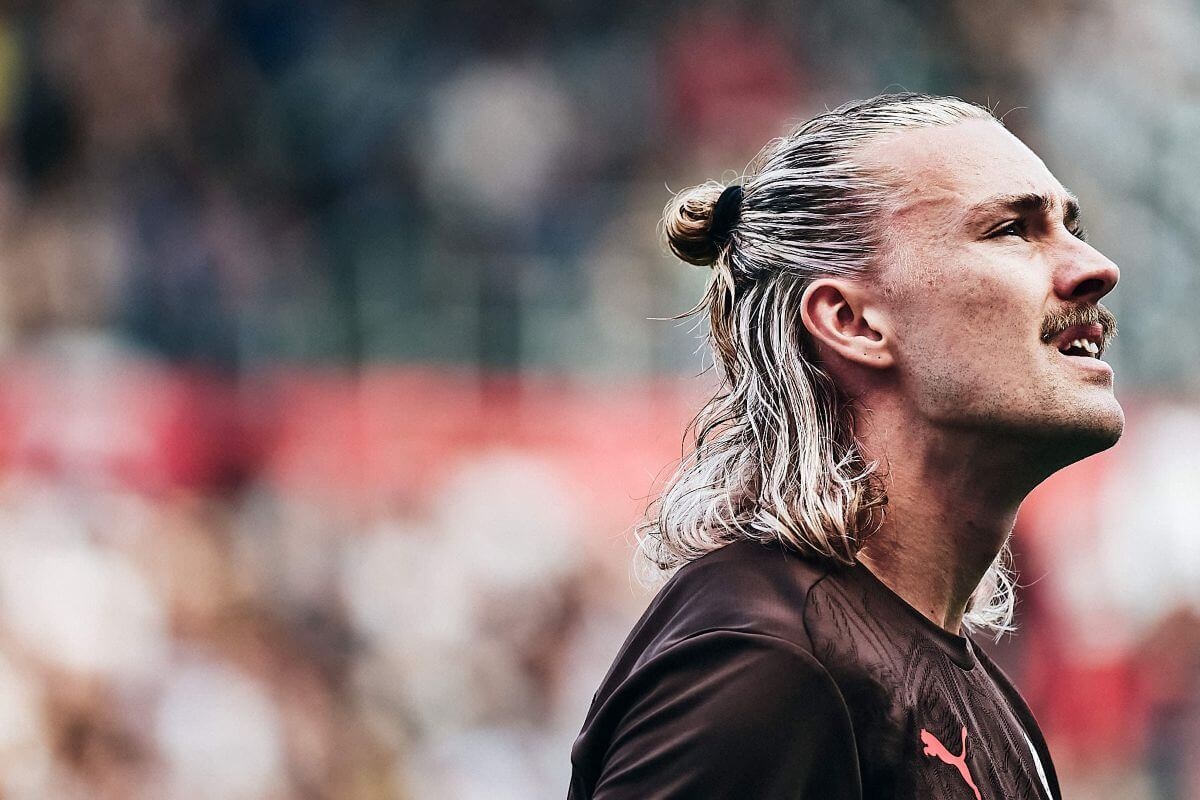
Jackson Irvine, the Australian midfielder and club captain, long personified the archetype St. Pauli fans idolised.
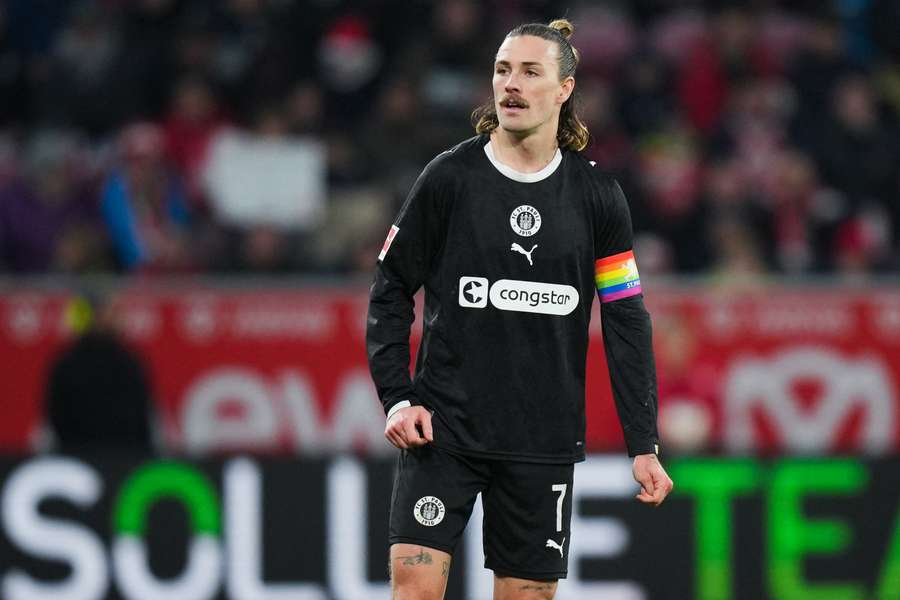
He is an athlete conscious of the club’s political affairs and a leader vocal about his opinions, ideas, and beliefs.
Where footballers took refuge behind well-curated press release statements, Irvine stepped forward. He spoke about humanitarian suffering in the Gaza Strip and highlighted the civilian casualties faced in the region.
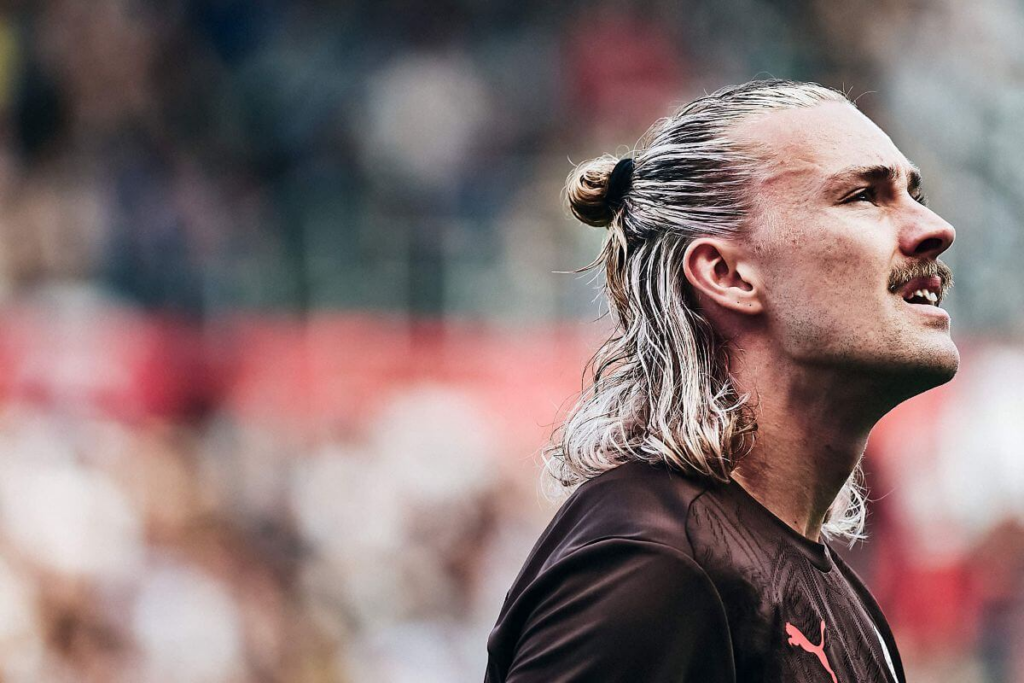
However, his public stance was met with different verdicts. Different political factions reframed his stance on the situation and twisted his words to serve certain narratives and agendas.
That fault line had been building behind the scenes since October 2023.
A prominent section of St. Pauli’s local Hamburg ultras approached the conflict with concern, for reasons rooted in a specific historical context in Germany.
Shaped by the Antideutsch strand of German left-wing thought, which states that post-Holocaust Germany carries a particular obligation toward Jewish safety, and solidified by long-standing ties in Israeli fan scenes, including Hapoel Tel Aviv, these ultras chose the public condemnation of Hamas terror over expressions of Palestinian support.
As a result, the club’s vast international fanbase responded with discontent.
Supporters across the UK, Ireland, and the United States expected St. Pauli to stand against the military campaign devastating Palestinian civilians in Gaza.
They viewed the local ultras’ position as a betrayal of the anti-oppression values that had drawn them to the club.
The repercussions grew bigger and more bitter. The decades-long association with Glasgow Celtic’s anti-fascist supporter community disintegrated following a harsh public altercation involving the exchange of terrace banners.
Bhoys Celtic with a response to Fc. St Pauli pic.twitter.com/VJl1nnnQxg
— Liam O’Hare (@Liam_O_Hare) November 2, 2023
Fan groups in Bilbao, Paris, and Catalonia distanced themselves, accusing the Hamburg fanbase of ideological inflexibility and hypocrisy.
The community now confronts what it calls its gemeinsamer Nenner, its common denominator. Finding a core set of shared values has never been a problem St. Pauli faced, but the Palestine question exposed a complex risk.
The Bundesliga Cameo
FC St. Pauli has never treated the Bundesliga as their ultimate goal, or so it seems, considering how it has fared in German football.
We have to go back to where the pattern began in 1977, when the club earned its first promotion to German football’s top tier.
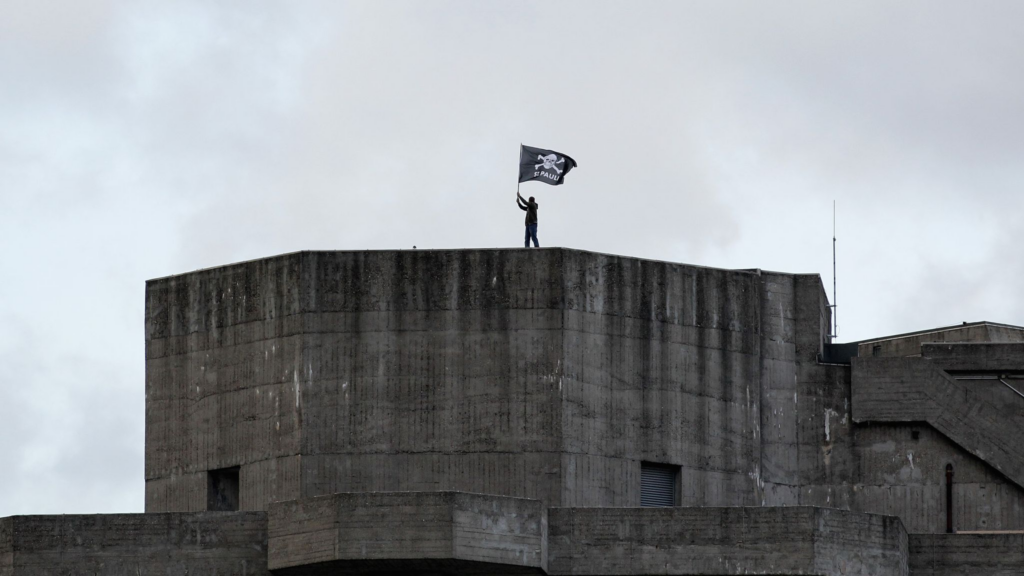
Promotions followed in 1988, 1995, and 2001. Each one was celebrated with genuine elation on the Reeperbahn, and each one was followed with a characteristic inevitability by relegation.
The football world labelled them a yo-yo club, swinging between the Bundesliga and the second division without ever settling in a particular division.
St. Pauli embraced the label without much fuss. Besides, clubs needed good financial resources to survive in the top flight, and the club’s structural model did not allow them to fight for stability.
Their 2010 promotion arrived on the back of an extraordinary campaign that saw the Millerntor faithful get behind their team to reclaim top-flight status.
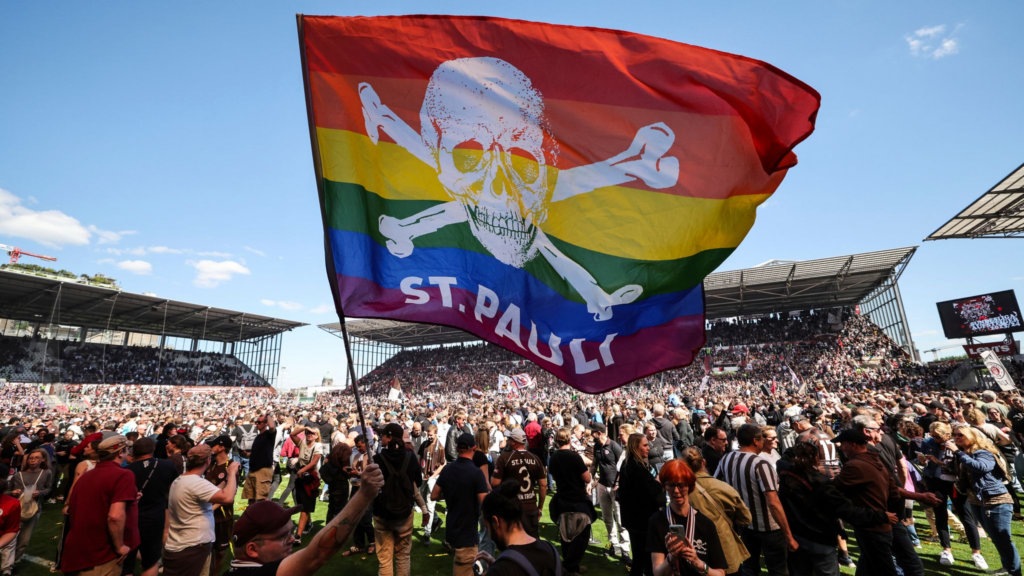
Then in 2011, the inevitable returned. Relegation kicked them back to the second tier, where they dwelt for thirteen years in the 2. Bundesliga football and still, the world’s interest in the club’s values continued to grow.
Then 2024 arrived, and with it, the crowning achievement of Fabian Hürzeler’s spell in charge.
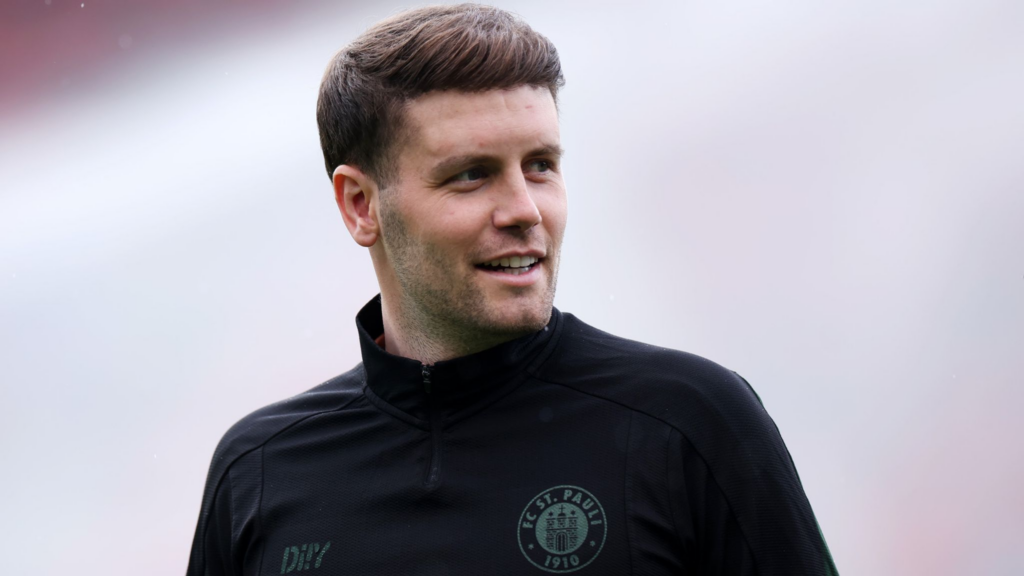
Now the current manager of Brighton and Hove Albion, the young and tactically obsessed Hürzeler oversaw St. Pauli’s most significant promotion in recent years, returning them to the Bundesliga after their longest absence.
The achievement added drama and an ironic feel within Hamburg’s football community.
Hamburger SV, historically the city’s dominant force that had spent 55 consecutive years in the Bundesliga before suffering relegation in 2018, remained stuck in the second tier.
The irony comes into play when you consider that the dogged, ideologically driven underdog from the Reeperbahn returned to the top flight of German football. At the same time, the affluent club watched from below.
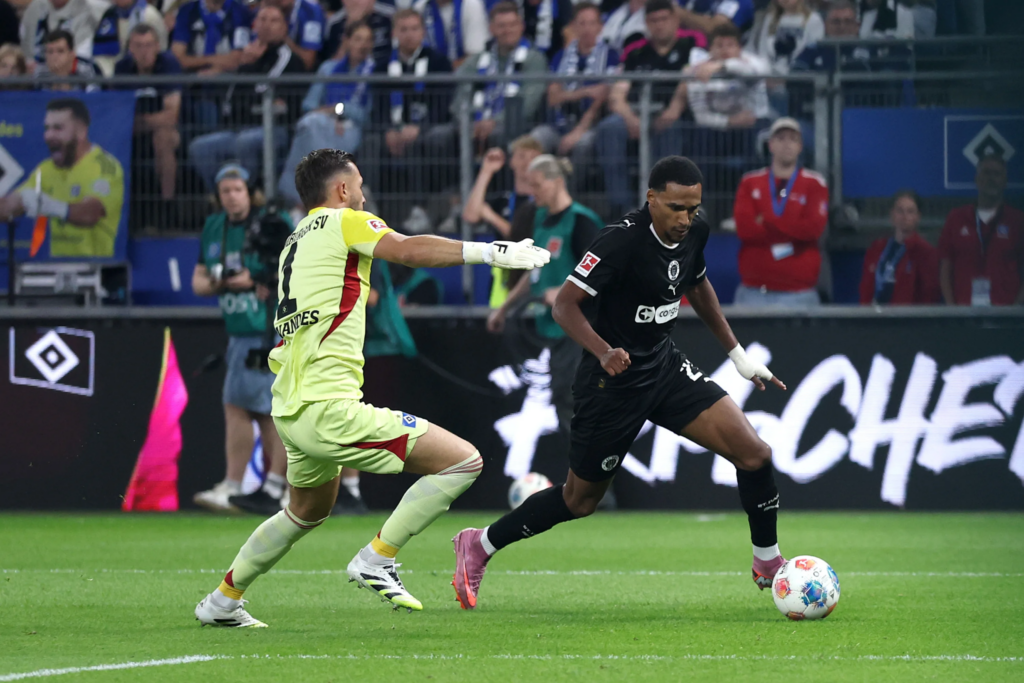
The two rivals missed the opportunity to fight for bragging rights at the top, but later got the chance during the 2025/2026 Bundesliga season.
Club president Oke Göttlich framed the moment with ambition and boldness, declaring that St. Pauli represented “the cult club back in the Bundesliga and pushing for change.”
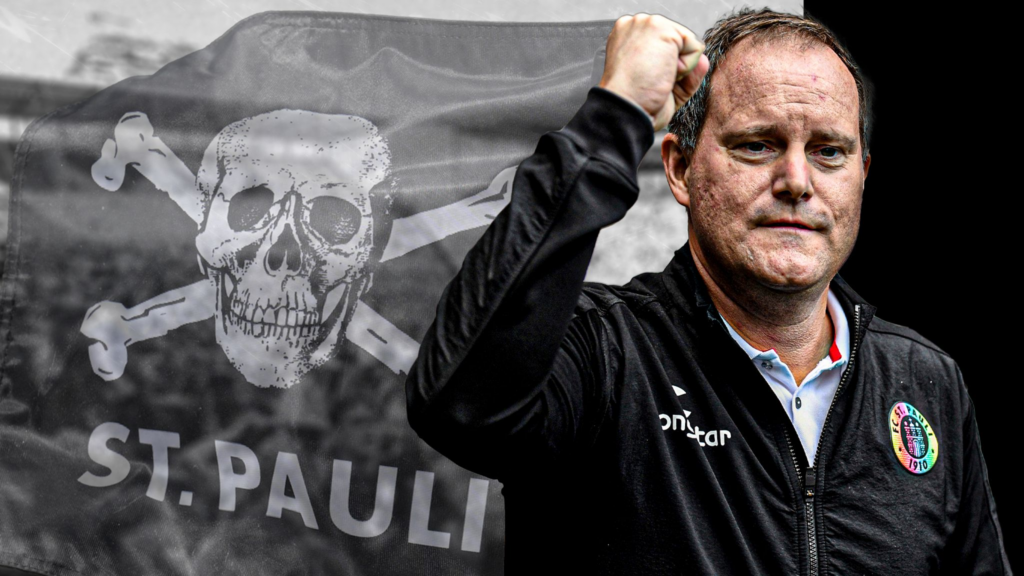
They were now back in the Bundesliga, and this provided a wider platform to showcase what FC St. Pauli stood for and had been championing since the Harbour Street punks first crossed the street to the Millerntor forty years earlier.
FC St. Pauli: Rebellious Modernism or Performative Capitalism?
FC St. Pauli and its revolution brought about the kind of success that can be seen when an entity looks inward and assesses its initial ambition and eventual achievements.
The club began as a local neighbourhood phenomenon, a struggling Hamburg side that adopted different people from several walks of life and evolved into one of the most recognised symbols of progressive football culture on earth.
It operates as an international blueprint that fans across continents view as living proof that left-wing politics and sporting identity can coexist within the institution without catastrophe.
When St. Pauli returned to the Bundesliga in 2024, they brought their undiluted anti-fascist, anti-racist, and anti-homophobic subculture directly into German football’s most commercial environment.
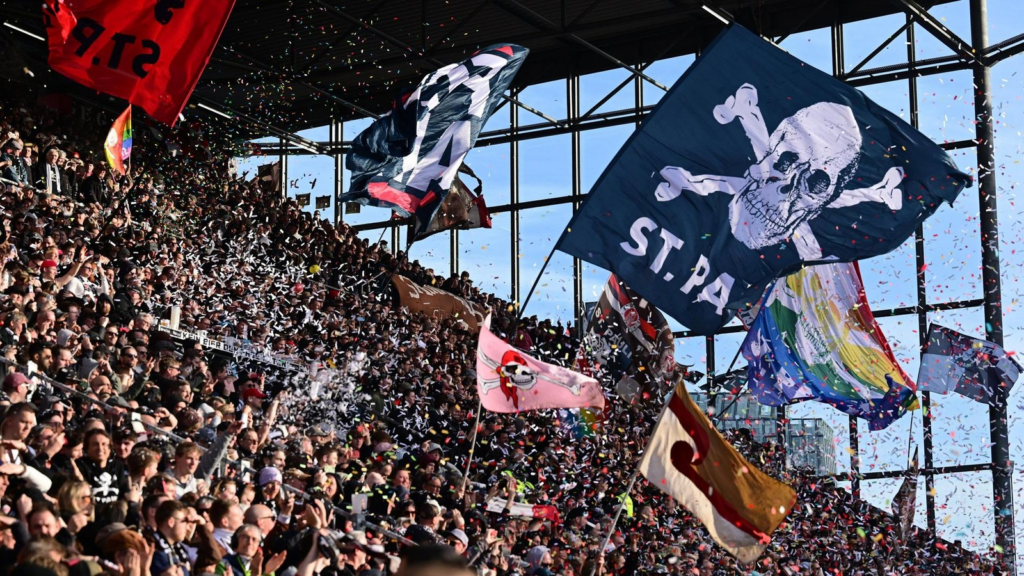
They altered the Bundesliga’s meticulous display of aesthetics, and these disruptions were deliberate and consistent with forty years of institutional rebellion.
Nevertheless, consistency creates its own tension, and St. Pauli’s case proved it.
When a club builds its entire identity on anti-commercialism and punk rebellion, the mass global popularity they generate causes friction in the ideological norms within the club.
St. Pauli merchandise sells in the millions worldwide, purchased by people in top cities across the world who have never watched a second division German football match but who wear the Totenkopf as a lifestyle statement.
The question that arises is whether St. Pauli has mastered a brilliant “rebellious modernism”, where they deploy tools of modern capitalism to finance a genuinely democratic, cooperative institution, or whether they risk drifting toward “performative capitalism,” where their symbols of resistance become a mere premium aesthetic.
“The danger is that we become the thing we always fought against, just with better branding.”
What remains beyond serious dispute is the legacy they constructed from those Harbour Street terraces upward.
Even amidst internal ideological rifts, including the Palestine question and the challenge of international stardom, St. Pauli stands as vital, living evidence that organised fans can make significant institutional impacts.
They held their ground by protecting their cultural identity, withstanding decades of financial pressure, and proving that a football club could function simultaneously as a democratic community asset and a global political statement.
Who wrote this?

Bienuoma Agaga-Akpati is a software engineer, writer, eSports player, and sports enthusiast, presently working with a group of ambitious Africans to transform the writing industry. With good knowledge of various sports and eSports, coupled with his keen ability for research, he loves analyzing ideas and topics that fosters the growth of the sport and eSports scenes. In his spare time, he enjoys creating content and engaging in discussions across various platforms.
- Bienuoma

- Bienuoma
- Bienuoma

- Bienuoma
- Bienuoma

- Bienuoma

- Bienuoma

- Bienuoma

- Bienuoma

- Bienuoma

- Bienuoma

- Bienuoma

- Bienuoma

- Bienuoma

- Bienuoma

- Bienuoma

- Bienuoma
- Bienuoma
- Bienuoma

- Bienuoma

- Bienuoma

- Bienuoma

- Bienuoma

- Bienuoma

- Bienuoma
- Bienuoma

- Bienuoma

- Bienuoma

- Bienuoma

- Bienuoma