



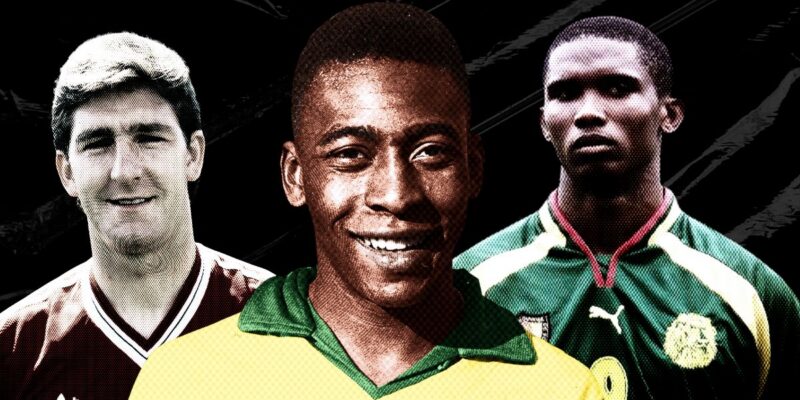
Although this is more popular at club level, national team managers never shy away from calling on young talents to create special moments at international competitions.
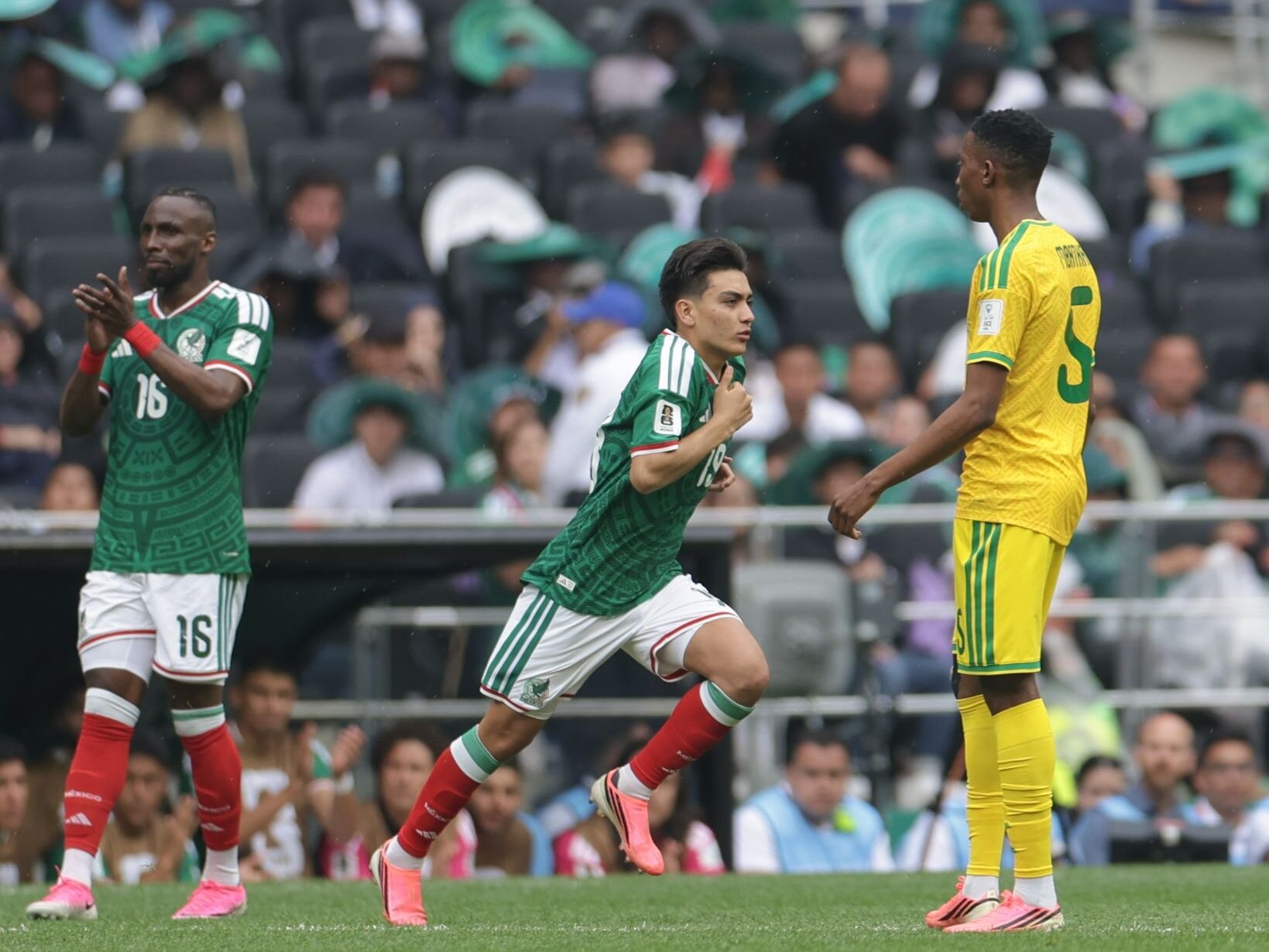
The 2026 World Cup had one such moment when Mexico coach Javier Aguirre started 17-year-old Gilberto Mora in the round of 16 tie against England. After making his debut against South Africa, Gilberto Mora has joined an elite class of young talents who have written their name in history books by making an appearance at a World Cup tournament.
Here are some of the youngest players to ever make an appearance at the World Cup.
Carvalho Leite (1930) – 18 years, 25 days old
In 1930, Carvalhoe Leite set the record for the youngest player to ever play at the World Cup. He featured in Brazil’s first-ever World Cup match against Yugoslavia a few days after turning 18.
At the 1930 World Cup, Leite didn’t score a single goal as Brazil were knocked out in the group stage. However, he enjoyed a wonderful career with Botafogo, where he scored 273 goals in 326 games and 7 goals in 10 games for Brazil.
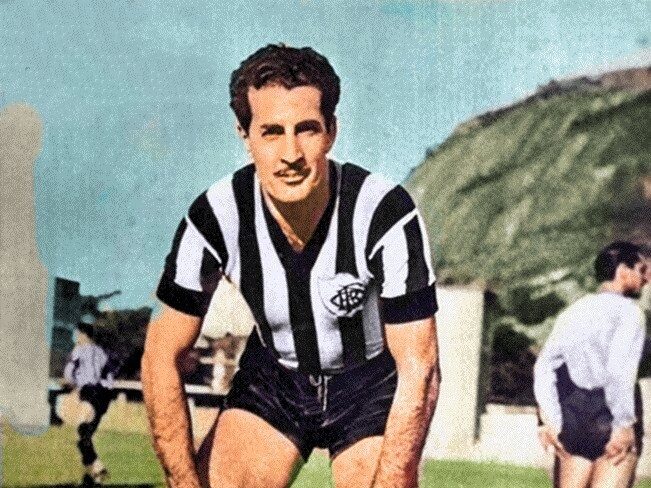
His career was eventually cut short in 1941 at 29 years of age after a severe injury. He was the last surviving member of Brazil’s 1930 World Cup squad before passing away in 2004 at the age of 92.
Youssoufa Moukoko (2022) – 18 years, 3 days old
Coming through the Borussia Dortmund youth system, Moukoko looked certain to be one of football’s biggest stars post-COVID. In his academy days, he scored 141 goals in 88 games for Dortmund and earned his transition to the senior team.
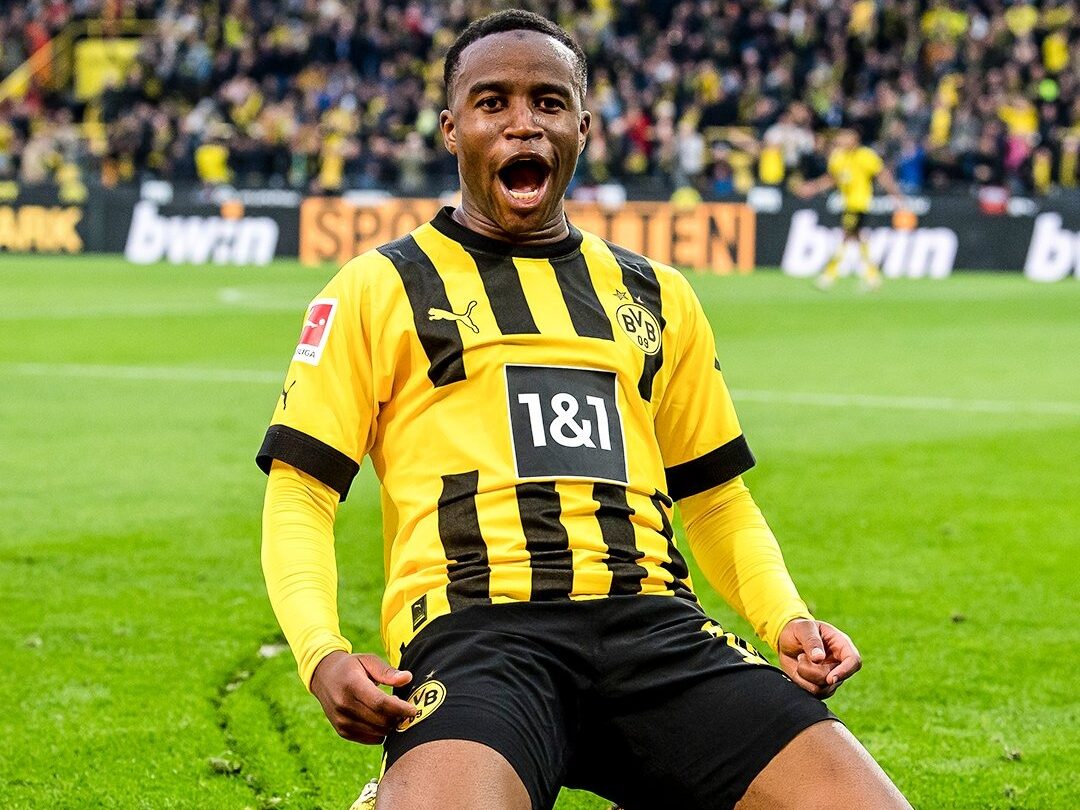
His performances from the youth level and cameos for Dortmund’s senior team also caught the eye of the former Germany manager Hansi Flick, who included Moukoko in his 2022 World Cup squad. He made his debut against Japan, becoming Germany’s youngest player to ever feature at the World Cup.
After the World Cup, Moukoko struggled to find his feet at Dortmund, especially after suffering a foot injury which cut short his supposed breakthrough campaign.
He currently plays for Danish giants Copenhagen, and with only two international caps to his name, he has a huge hurdle to climb if he wants to get back to the national setup.
Rigobert Song (1994) – 17 years, 354 days old
Cameroonian defender Rigobert Song made history in 1994 by becoming the youngest Cameroonian to ever feature at the World Cup. At just 17 years of age, he was surprisingly called up to Henri Michel’s squad.
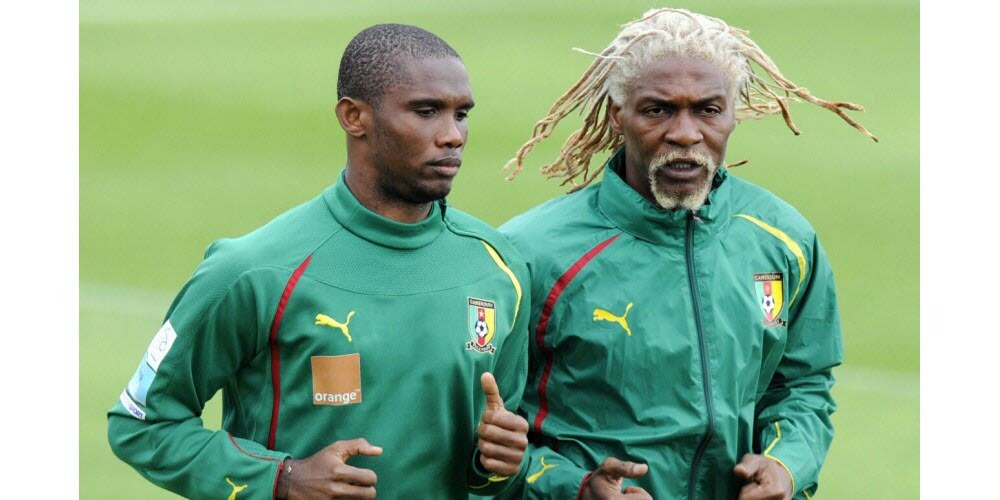
At the 1994 World Cup, he played in two games and also set a record by becoming the youngest player to be sent off at the World Cup after a reckless tackle on Bebeto in their 3-0 loss to Brazil.
He would go on to become Cameroon’s most capped player with 137 caps between 1993 and 2010.
Bartholomew Ogbeche (2002) – 17 years, 244 days old
Before the 2002 World Cup, Bartholomew Ogbeche was described as a promising talent when he joined PSG from Nigerian club Lobi Stars.
He featured twice for Nigeria, who were winless in the tournament after being placed in the group of death. Just like Nigeria’s performance at the 2002 World Cup, Ogbeche’s PSG stint fell flat.
He became a journeyman, playing in Spain, Greece, England, the Netherlands, and the United Arab Emirates before retiring after a few successful years in India,
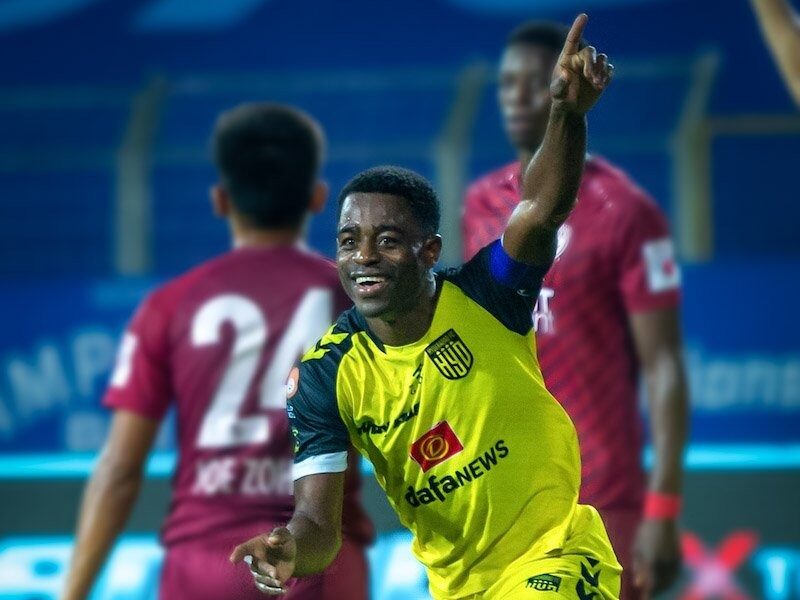
His appearance for the Super Eagles in 2004 at the Unity Cup in London, scoring against Jamaica in the final, turned out to be his last in the green and white.
Gilberto Mora (2026) – 17 years, 240 days old
Gilberto Mora wrote his name in history books when he was substituted onto the pitch for Álvaro Fidalgo in Mexico’s 2-0 win over South Africa in the opening game of the 2026 World Cup.
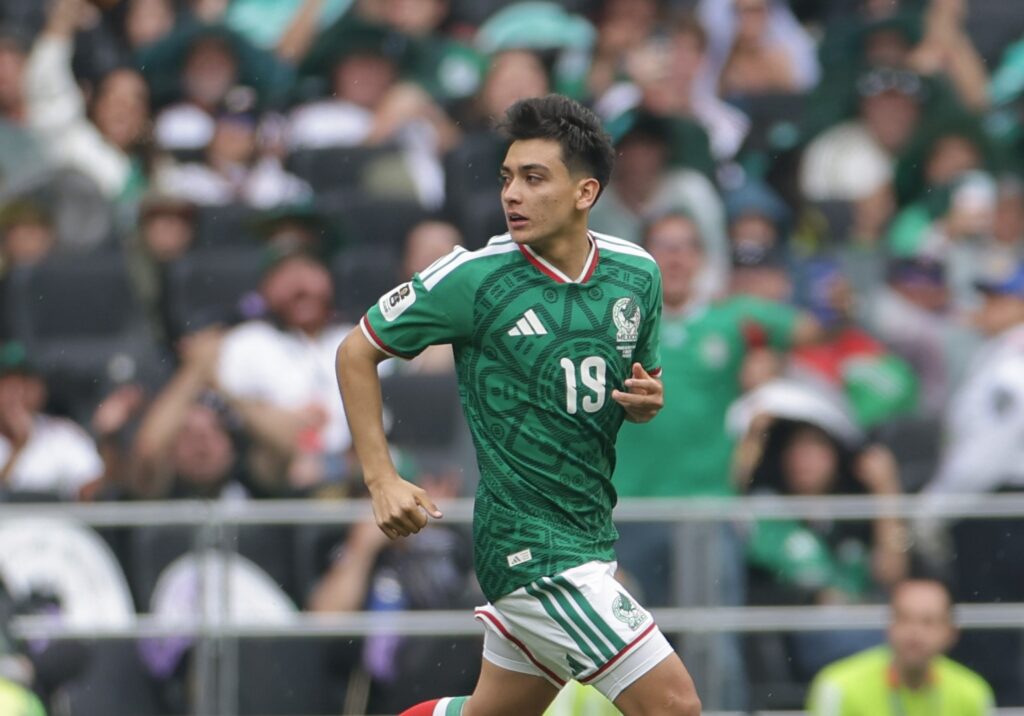
His first steps onto the field were greeted by jubilation from the local crowd, who were witnessing a rare moment as Mora became Mexico’s youngest player to ever feature at a World Cup. He is also the youngest player at the 2026 World Cup.
He went on to make three more appearances for Mexico, including a start in their 3-2 loss to England in the round of 16.
Pele (1958) – 17 years, 235 days old
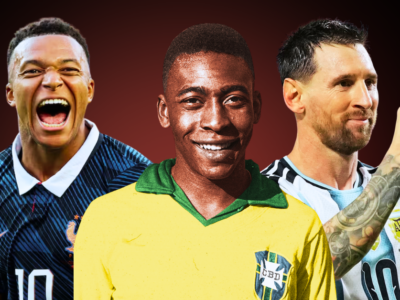
Mr World Cup himself broke Leite’s record in 1958 by becoming the youngest player to ever play at the World Cup.
Pele didn’t feature from the start of the 1958 World Cup as he was sidelined with a knee injury, which kept him out till the final group stage game vs USSR.
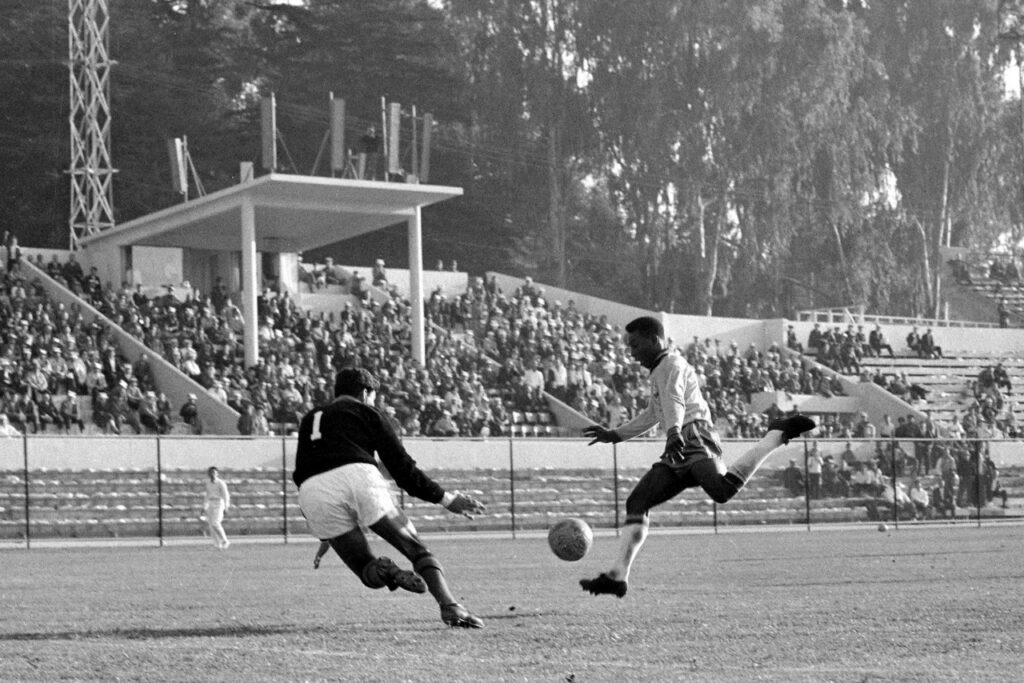
Pele opened his tournament with an assist for Vava, who scored twice to give Brazil a 2-0 win over the USSR. He then opened his account at the tournament with the only goal in Brazil’s win against Wales in the quarter-finals, becoming the youngest goalscorer in World Cup history.
In the semi-finals against France, Pele scored a hat-trick and became the youngest player to score a hat-trick in World Cup history. In the final, he scored a brace, taking his total tally to 6 goals as Brazil won the 1958 World Cup. He also became the youngest player to win the World Cup.
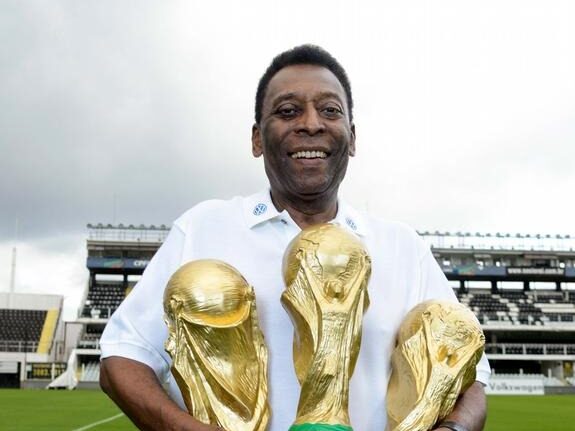
The 1958 World Cup was the beginning of Pele’s legacy as he went on to play in three more World Cups. He reached a total of three World Cup finals in his career and didn’t lose any, holding the record for most World Cup trophies won in history, adding to his claim of being one of the greatest players of all time.
Salomon Olembé (1998) – 17 years, 185 days old
Salomon Olembe, who had made a name for himself in the national team in 1997, stole the headlines at the 1998 World Cup when he became Cameroon’s youngest player to debut at the World Cup and the second-youngest player in history to debut at the World Cup (records that were both broken six days later by fellow compatriot Samuel Eto’o).
Olembe made his debut as a substitute in Cameroon’s 1-1 draw against Austria. He then started the next two games, which later became the final World Cup appearances of his career.
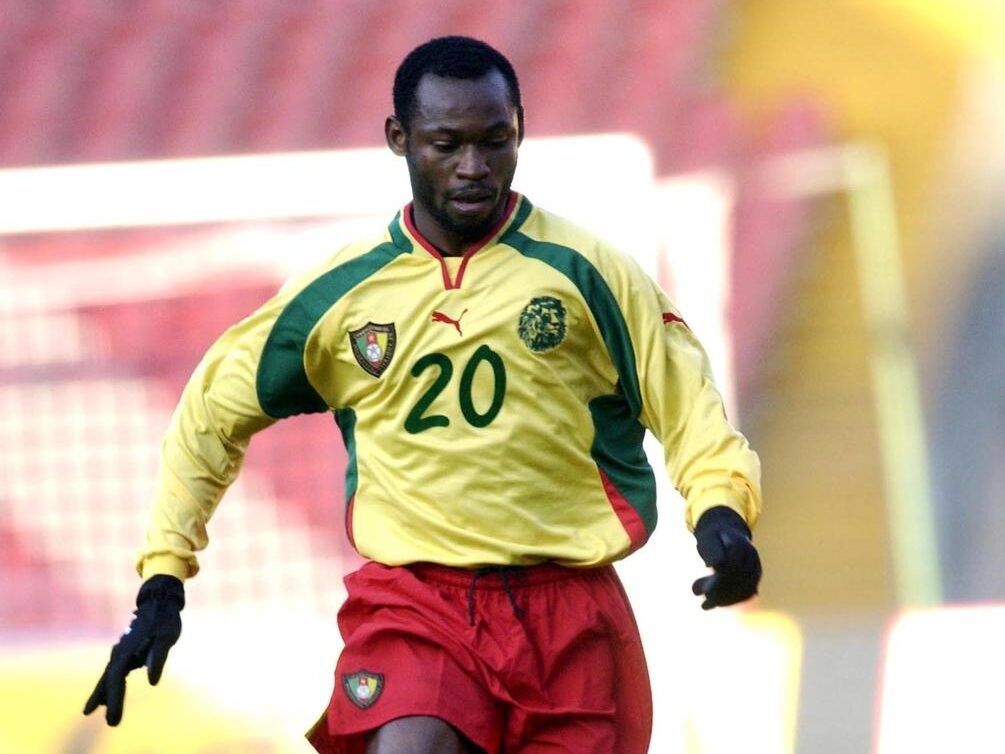
Olembe will be fondly remembered for his time at Nantes when they won the Ligue 1 in the 2000/2001 season and also for his performances in the Cameroon side that won back-to-back AFCON (African Cup of Nations) titles in 2000 and 2002.
Femi Opabunmi (2002) – 17 years, 101 days old
For Nigeria, the 2002 World Cup was a disappointment, but for Opabunmi, it was a date with destiny. Nigeria had already suffered two defeats to Argentina and Sweden, and was effectively out of the competition.
However, in their final game against England, where they played a 0-0 draw, Femi Opabunmi made history by becoming the third-youngest player in World Cup history.
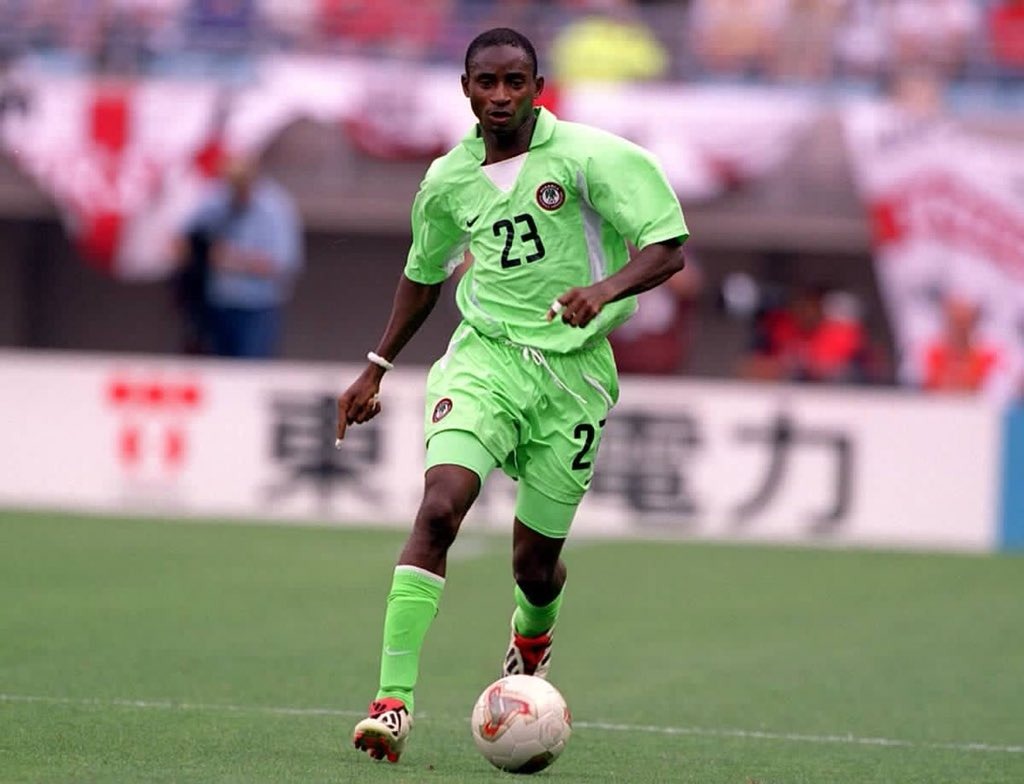
The young winger had his breakthrough moment the previous year when he won the bronze ball at the U-17 World Cup. His appearance at the 2002 World Cup only spotlighted the promise he had previously shown, with interests coming from Manchester United, Lyon and Arsenal.
Sadly, Opabunmi didn’t live up to the expectations for his career as he was forced to retire within four years, following an eye problem that eventually became glaucoma and left him with one blind eye.
Samuel Eto’o (1998) – 17 years, 99 days old
Six days after Olembe set the record for the youngest Cameroonian and the second-youngest player in history to feature at the World Cup, Samuel Eto’o broke both records in Cameroon’s 3-0 loss to Italy.
Although he played only 24 minutes in the 1998 World Cup, it was the start of a golden run with the national team. Eto’o played in three more World Cups, scoring only two goals. He, however, holds the records for most goals for the national team (56), won back-to-back AFCON titles in 2000 and 2002, and an Olympic gold medal.
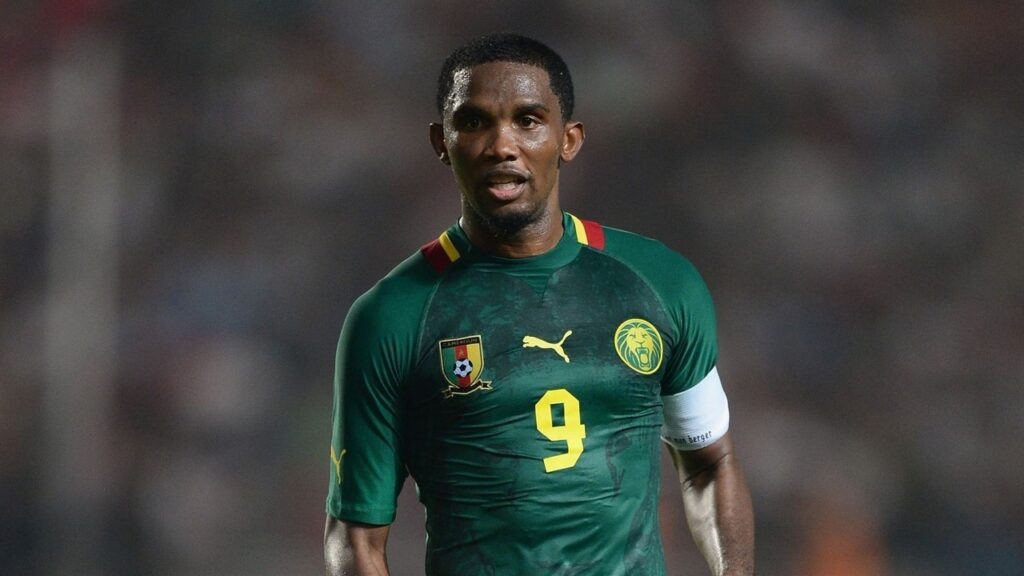
Eto’o retired from the national team in 2014, finishing with 118 caps (joint-second) and is regarded as one of the most prolific strikers of his generation.
1. Norman Whiteside (1982) – 17 years, 41 days old
52 years after Carvalho Leite set the record for the youngest player to feature at the World Cup, Northern Irish international Norman Whiteside set a new one, which has stood for 44 years.
As a youngster, Whiteside drew comparisons with his fellow compatriot George Best, who is considered one of the greatest players of all time. Coincidentally, he was scouted by the same person who discovered George Best.
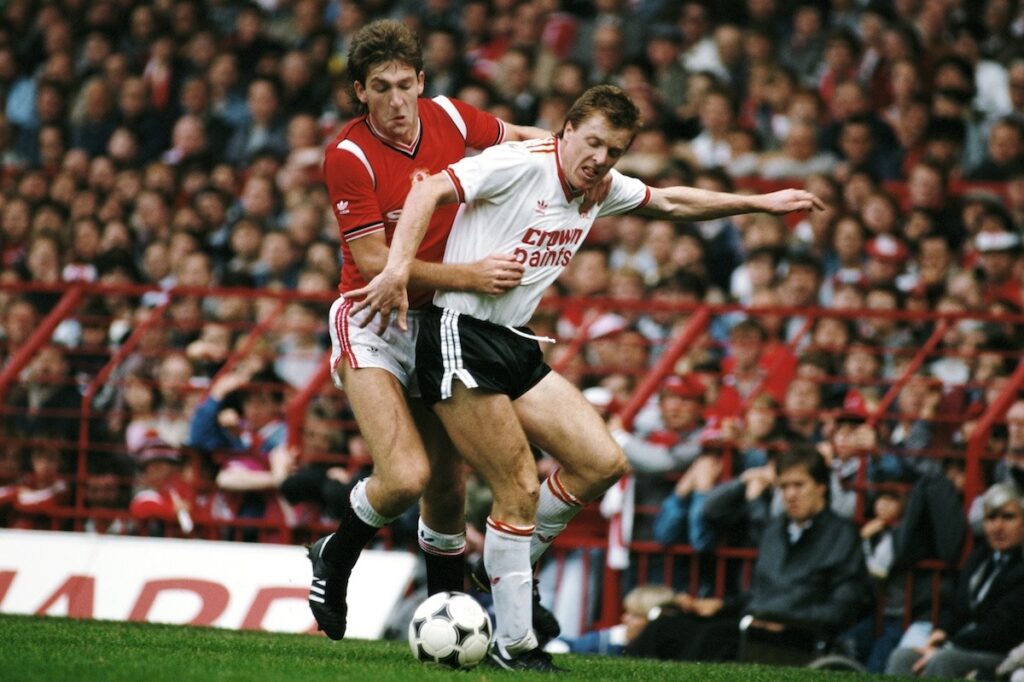
Whiteside had only made two senior appearances for Manchester United before being called up to the Northern Ireland World Cup squad for the 1982 World Cup. He had already written his name into Manchester United’s history books by scoring on the final day to become the youngest goal-scorer in the club’s history.
Little did he know that he would break another record when he lined up for Northern Ireland in their goalless draw against Yugoslavia. He would get yellow-carded in that game and set another record for the youngest player to receive a yellow card in World Cup history.
Whiteside didn’t score in his first outing in 1982 as Northern Ireland were dumped out by France in the quarter-finals and scored his only World Cup goal in 1986 through a deflected free-kick against Algeria.
Whiteside also holds the record for the youngest goalscorer in the League Cup final and the FA Cup final. He ended his career at the age of 26 after suffering multiple knee injuries. He scored 9 goals in 38 appearances for Northern Ireland and 81 goals in 315 appearances for both Manchester United and Everton.
Who wrote this?

Wisdom Aghe is a creative whose passions include sports, video editing, writing and a little bit of design. With these skills and a curious mind, Wisdom takes interest in creating sports content and holding interesting sports conversations. He loves sports and it's his happy place. He spends his leisure time playing football, playing games and reading.