



When you watch a game of football, and you see a right-back inverting into midfield, or you hear complex terms like Juego de Posición (positional play), you immediately think of Pep Guardiola.
He is the true embodiment of the modern game. The blueprint that everyone wants to copy, from the biggest teams to the kids on the playground.
But Pep Guardiola did not appear out of nowhere. He adopted ideas from Johan Cruyff, who coached him as a midfielder.
Barcelona stands as a footballing powerhouse. Cruyff helped sustain that status. He established La Masia, an academy that produces talent for the senior team, and built a clear possession-based style for the club.
Cruyff shaped Guardiola, but he was not the only one. English manager Bobby Robson, who also coached Barcelona, taught Guardiola mental strength and emotional control. Pep Guardiola still carries those traits today. His teams fight through difficult moments and win titles under pressure.
Guardiola learned from others, but his achievements go beyond their influence. He built success across countries and turned the other side of Manchester into a modern dynasty, doing in years what Sir Alex Ferguson built over decades.
What sets Pep Guardiola apart is his ability to reinvent himself and stay at the top every year. A bald fashion icon, always animated on the touchline, giving instructions mid-game. Guardiola has changed football and created disciples, just as Cruyff did.
Some of these coaches played and worked under him directly, while others have imbibed his coaching ideologies and philosophies as a direction for their careers. Inevitably, in life, no matter how great you are, one day you must exit the scene for other people.
While the speculations have not exactly confirmed when Pep Guardiola will leave Manchester City and step out of active club football coaching, we know that he does not have much time left.
Questions are already popping: Who is going to replace the great Pep Guardiola as the ultimate heir apparent? Well, your guess is as good as mine. Nobody is certain.
Today, we take a look at all Pep Guardiola’s disciples based on their current record to see who most likely fits the bill to replace their mentor.
Xabi Alonso
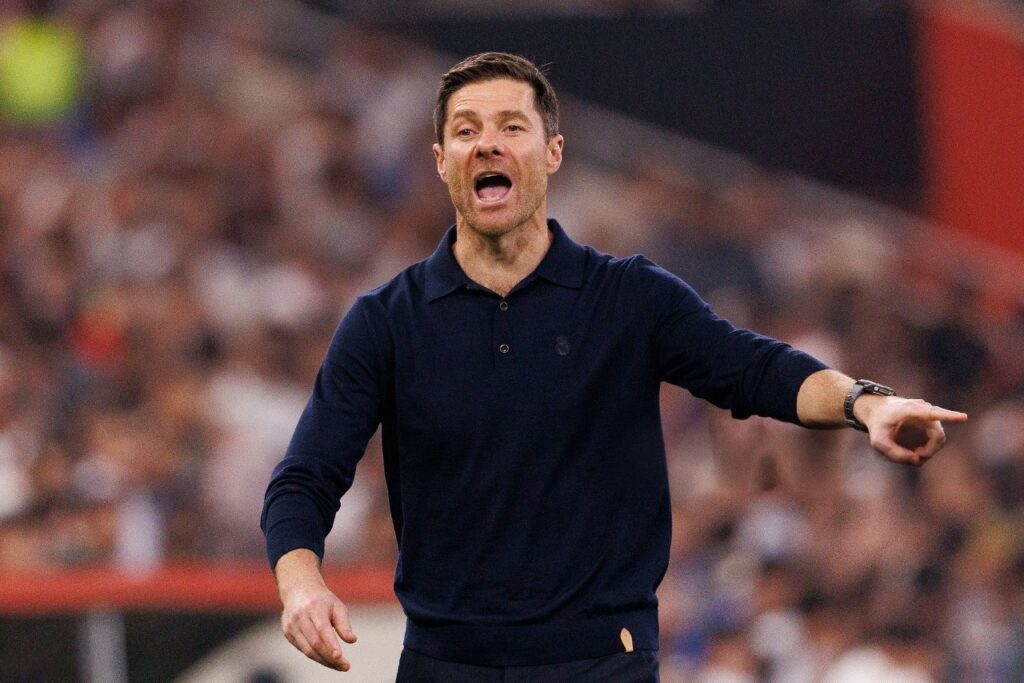
Spanish-born manager Xabi Alonso played most of his career with Liverpool and Real Madrid before signing for Bayern Munich in 2014 on a two-year deal.
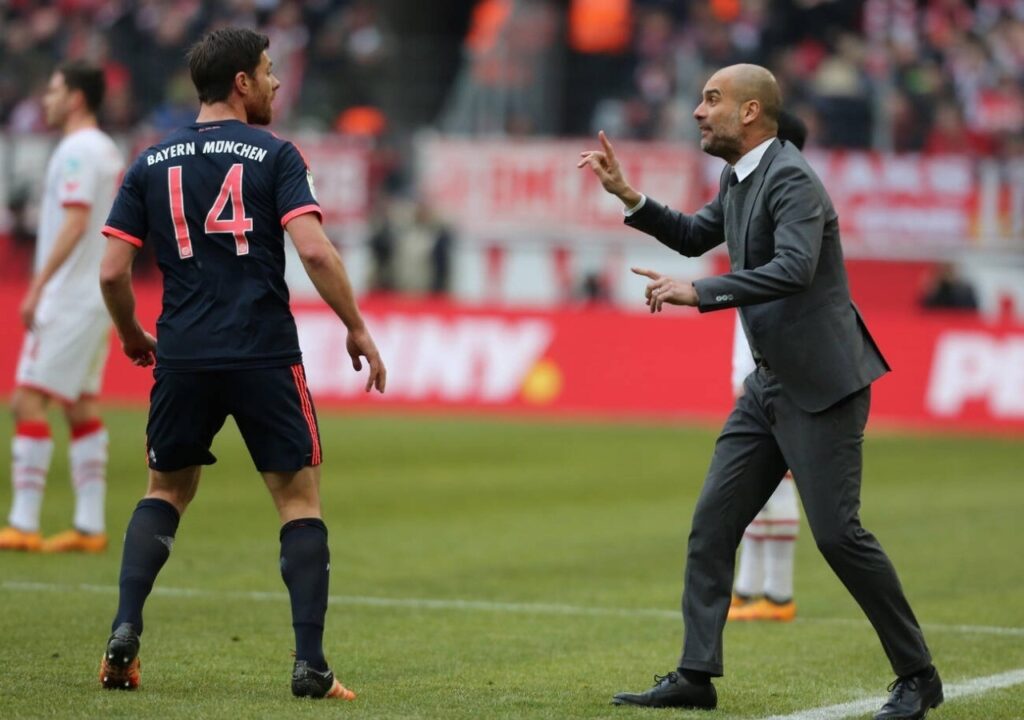
At the time Alonso signed for Bayern, Pep Guardiola had just joined the club in 2013 after his one-year sabbatical following his exit from Barcelona.
Alonso spent two years with Guardiola from 2014 to 2016. He admitted that in that period, he learned so much about football, more than he would have in a master’s class.
After retirement, Xabi Alonso spent three years revitalizing Real Sociedad’s B team. On October 5th, 2022, Bayer Leverkusen requested his services after sacking their manager following a terrible start that left them in the relegation spot.
Xavi Alonso faced his first real test and a chance to implement what he had observed under Guardiola. He got to work. His first job was to rescue Leverkusen’s season, which he did by earning them a 6th-place finish.
In the summer of 2023, he began to imprint his ideas on Leverkusen by purchasing players who suited his philosophy. Alonso set up his team in a 3-4-2-1 formation, playing with 3 center-backs. He turned Leverkusen into a side that was tough to break down.
High presses rarely worked against Leverkusen because they stayed calm, moving the ball quickly across the back three with support from two deep midfielders. In possession, his patterns resembled Pep Guardiola’s Barcelona, with attackers dropping deep for quick one-twos that opened space for players like Florian Wirtz.
Defending narrowly limited that threat but left space for the wing-backs, who could either hold width and cross or drift inside to exploit gaps. Whatever the approach, Leverkusen usually had a solution and the players to carry it out.
Alonso’s team also mirrored Guardiola’s in attention to detail. He was meticulous in training, using repeated patterns and drills until they became ingrained in the players.
Never a favorite to win the Bundesliga, Alonso did something remarkable. He went the entire season unbeaten and broke Bayern’s 11-year grip on the league title.
After two years at Leverkusen, he left to take charge of Real Madrid in the summer of 2025. He tried to implement his ideas with focused drills, patterns, and a pressing structure involving the entire team, but it did not work.
At Real Madrid, he faced a big test. Star players, depending on their natural ability more than tactical discipline, did not sit well with Alonso, who loved to dictate the tactical role of every player in the team. He lost control of the dressing room after constant spats with Vincius and left by mutual consent in January 2026.
Still a top coach with a strong resume, his next job may not be far away. Frustrations at Merseyside could see Arne Slot leave, making way for the Spaniard to take over his former side.
Mikel Arteta
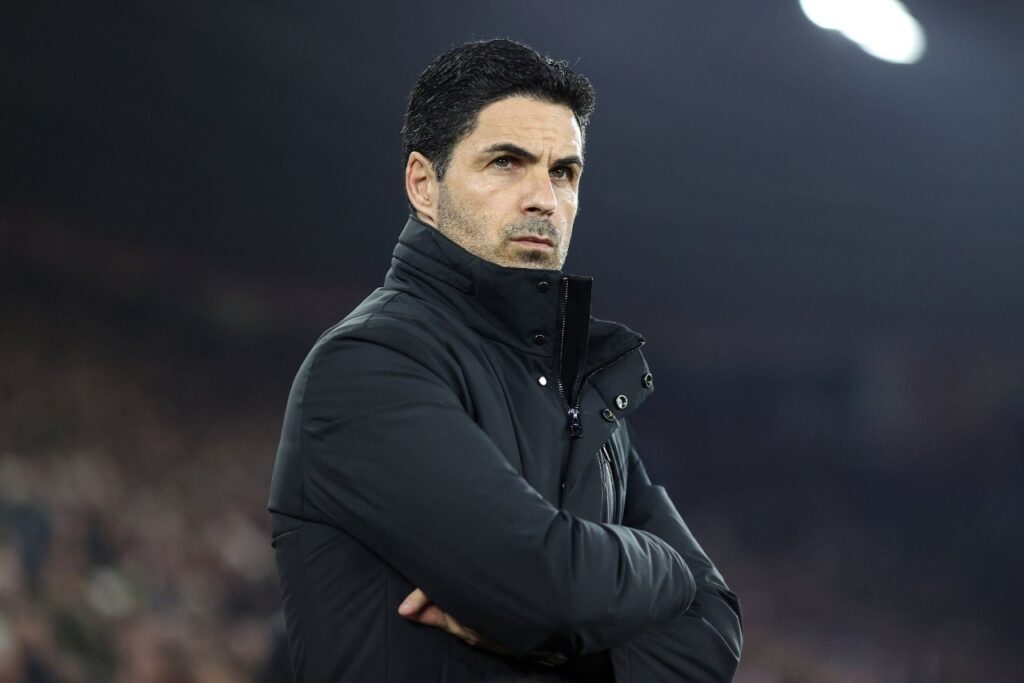
After Mikel Arteta retired from football, he joined Pep Guardiola as his assistant in 2016.
But before then, Arteta already started taking his coaching badges in 2015 during his long spell with injury and was involved in training the under-13s.
Arteta trained through different systems in his career, first at La Masia, PSG, Rangers, Everton, and Arsenal. His football philosophy is grounded in different ideals, but he took a lot of lessons during his time as assistant manager at Manchester City.
Following a disastrous first-half campaign in 2019 that left players disgruntled and fans disinterested, Unai Emery was shown the door, making way for former captain Arteta. And for his first job as manager, he has not done too badly.
What we saw in the first 18 months with Arteta was his desire for a culture of discipline and excellence, just like Guardiola. In that squad, superstars who could no longer perform optimally were flushed out with no sentiments attached to it.
Just like his mentor, who shipped off Joe Hart, Cancelo, and others, Arteta sent Ozil, Aubameyang, and even a young Ramsdale out of the squad because he no longer found them reliable.
Arteta is rooted in possession football. His players can assume different positions on the field. However, he is a sucker for defending, ultimately favouring more physical profiles, unlike Guardiola.
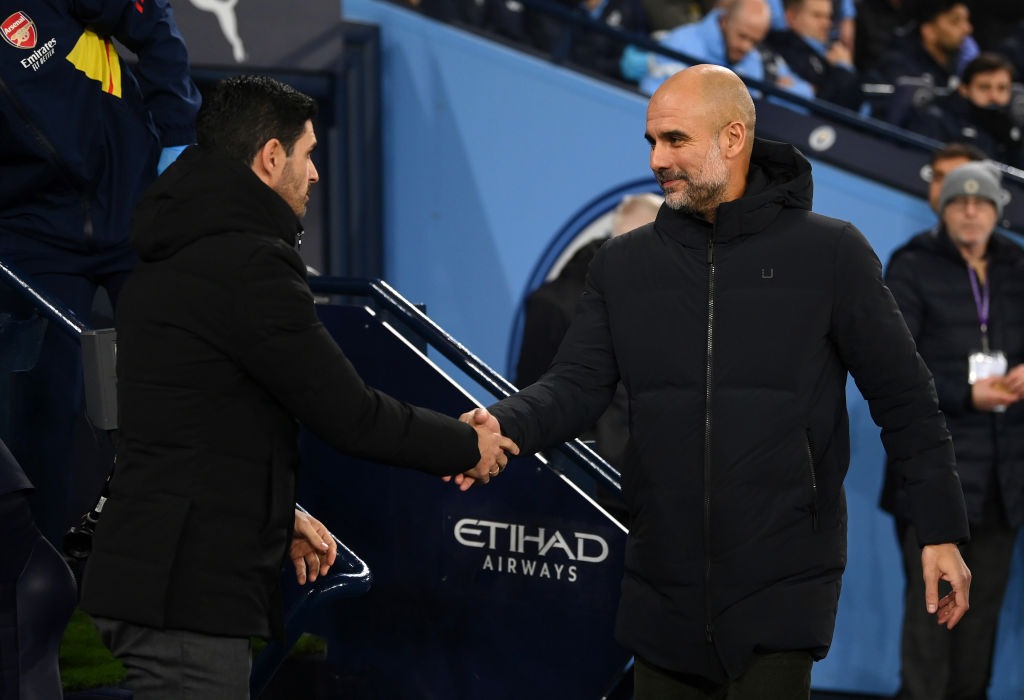
Following a disastrous first-half campaign in 2019 that left players disgruntled and fans disinterested, Unai Emery was shown the door, making way for former captain Arteta. And for his first job as manager, he has not done too badly.
What we saw in the first 18 months with Arteta was his desire for a culture of discipline and excellence, just like Guardiola. In that squad, superstars who could no longer perform optimally were flushed out with no sentiments attached to it.
Just like his mentor, who shipped off Joe Hart, Cancelo, and others, Arteta sent Ozil, Aubameyang, and even a young Ramsdale out of the squad because he no longer found them reliable.
Arteta is rooted in possession football. His players can assume different positions on the field. However, he is a sucker for defending, ultimately favouring more physical profiles.
The retooling of Arsenal’s defense has had people label him the master of dark arts. A ridiculous name for a manager who stopped a team from being easily smashed and held the clean sheet record domestically for two years running.
In the Champions League, he has had Arsenal competing for the last three seasons. They have reached two consecutive semi-finals for the first time in the club’s history. Arsenal are now in the Champions League final and in pole position to win the Premier League trophy.
Mikel Arteta brought Arsenal back to the top level, no doubt, but his time has not been without complaints. A bit too rigid in his approach and unwilling to change his structure has cost the team many trophies.
For 6 years, he has not won major silverware save for an FA Cup in 2020 that partly fell during the time of Unai Emery. Criticisms have been loud and firm, but this season looks like one that will finally break the chains of near success syndrome for Arsenal.
Since taking over the helm of affairs, his relationship with Pep has remained distinctively master vs apprentice. In 10 appearances against each other, Arteta has only managed one win over Guardiola.
Pep Guardiola’s comments constantly extol Mikel Arteta as a great manager bound to bring glory to Arsenal, and then smashing him almost every time they square up against each other. But that is one of the greatest traits Guardiola possesses. The ability to play mind games and maintain humility for his opponent.
Maybe the comments he makes are to keep the fans and employers of his disciples happy because getting compliments from Pep is no small feat, but just maybe in reality, they are no match for him.
Enzo Maresca
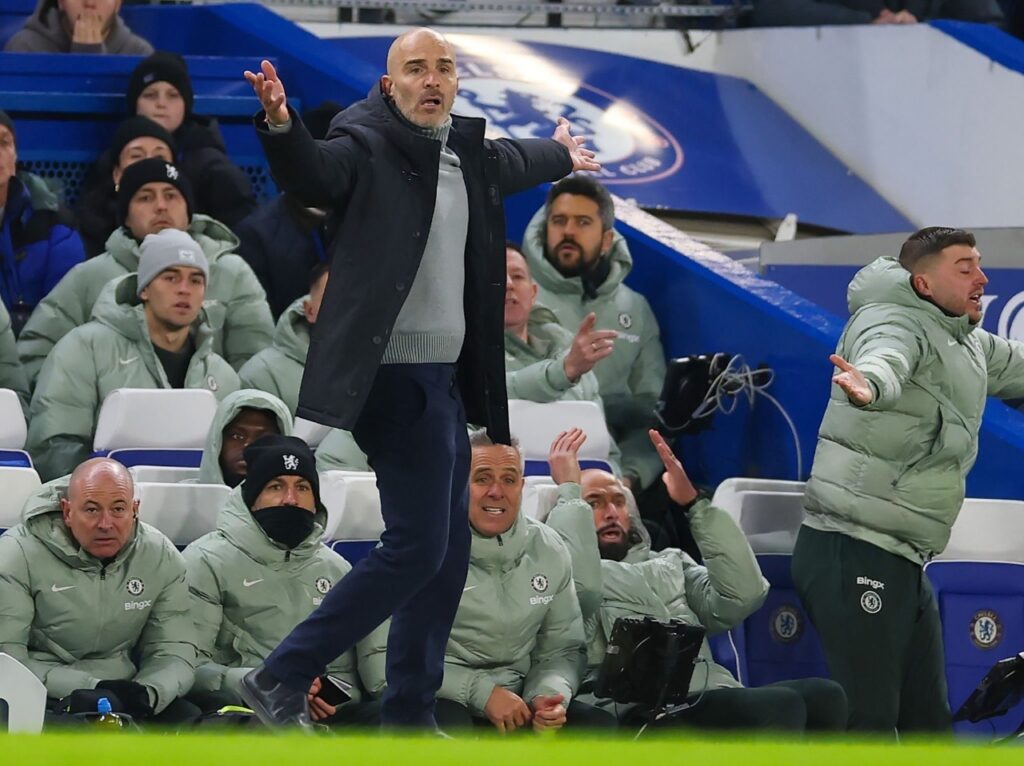
With a solid career that has spanned two continents and 3 teams. Enzo Maresca has tested the murky waters of high-level coaching and has come out with a green card.
Maresca came to England in 2020, when Manuel Pellegrini recommended him to Manchester City’s sporting director, Begiristain, to take over the City U23 team. In his first season, he impressed everyone by winning the Premier League 2, which was the first time Manchester City had won it.
Parma came calling in the summer of 2021, and it was time for Maresca to try his hand at a new challenge. At the time, the club was in Serie B, aiming to secure a promotion to Serie A. He was dismissed after a series of poor performances in November 2021.
Juanma Lilo’s departure in 2022 created a space for a new assistant manager to join Pep Guardiola at the Etihad, and Enzo Maresca was appointed. He would go on to support Pep Guardiola to win the treble that season.
An appointment to revive Leicester City was the stiffest job he would face in 2023. Having dropped to the second division, the Foxes were eager to return to the top flight. In this role, his clear similarities to his boss Guardiola became evident in the early weeks.
Maresca, just like Guardiola, is determined to always win. He delivered an inspiring speech about his philosophy and how to drag the club from rock bottom, and he matched talk with action. It was reported that Enzo Maresca was sleeping at the club’s Seagrave training ground in the first week of pre-season in a bid to build a culture and intensify training.
His effective man-management helped win the older players at Leicester with his style, and together the club achieved promotion in 2024. At Leicester and City’s youth level, he picked players on merit, dropping even in-form talents over poor attitude, following Guardiola’s long-held approach.
Not willing to pass off a good manager, Chelsea hired the Italian, and for the first time, the West London club had a semblance of stability since the start of the post-Abrahamovic era.
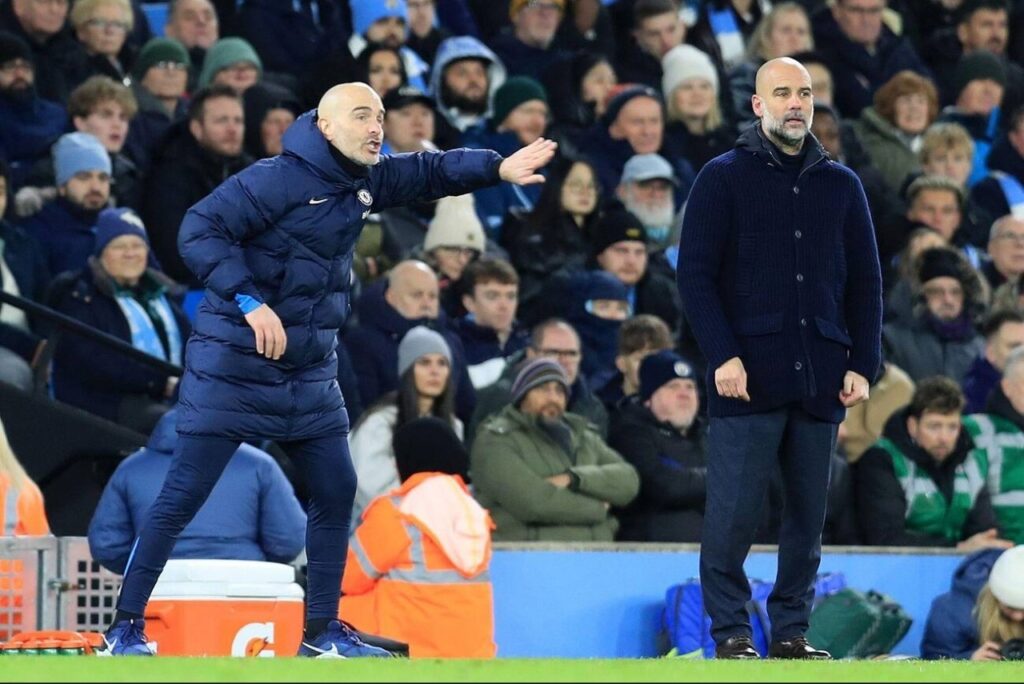
Pep Guardiola often praises rivals, but his comments on Enzo Maresca stood out, hailing his work at Chelsea, where he won trophies, and securing Champions League qualification with a young squad.
Maresca stuck to a possession-heavy style, using an inverted full-back and a high front line, with occasional tweaks. Like Guardiola, he drew ideas from outside football, including chess. His coaching mixed clarity with strict discipline, demanding high standards.
Both managers shared a structured build-up, often using an inverted full-back to form a 3-2-5 shape with a flexible double pivot.
At Chelsea, Malo Gusto stepped into midfield alongside Reece James, though Maresca rotated that role, favouring players comfortable receiving passes under pressure. The setup created central overloads but also guarded against transitions.
Maresca’s side controlled the middle, stretched play wide, and pinned opponents deep. Maresca experimented throughout his time at Chelsea, deploying James in midfield and Gusto in advanced roles.
He also tweaked systems, shifting shapes during the Club World Cup run and adapting effectively, underlining a willingness to evolve rather than stick rigidly to one approach.
Issues with the club hierarchy caused Maresca to depart Chelsea in January 2026, underscoring his strong personality like his mentor. Regarded as the “mini-Pep”, he is a favorite to land a role at Manchester City should the gaffer depart.
Xavi Hernandez
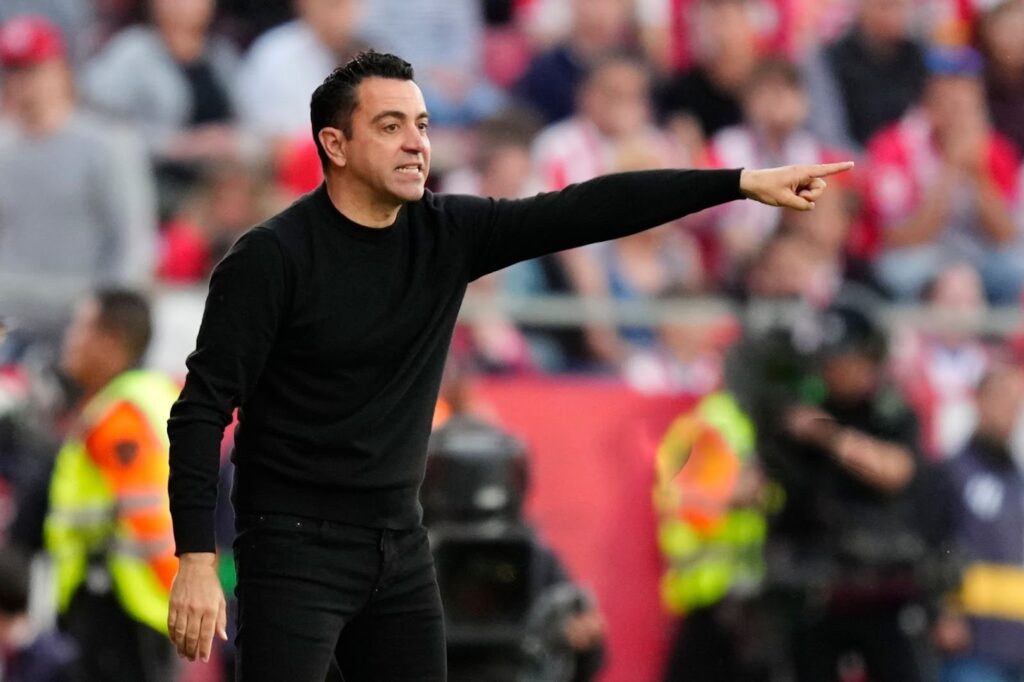
Xavi was at the heart of Barcelona’s midfield for 17 years. After retirement from football, he took up coaching at Al-Sadd sports club in the Qatar League in 2019. The former midfield maestro transformed the club in 2 years, winning them the 7 trophies in the process.
With Ronald Koeman, Ernesto Valverde, and Quique Setien all unable to steer Barcelona back to the top, the club placed all its chips on legend and rookie manager Xavi to fix things. Al-Sadd would not let their man go away easily, and Barca paid a release clause.
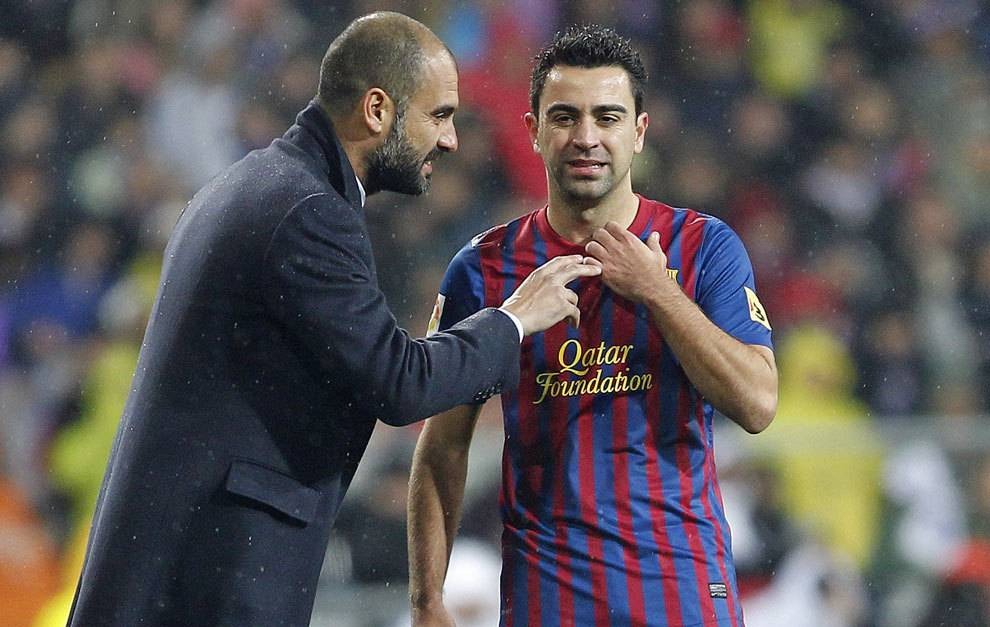
Xavi returned to Barcelona in November 2021, inheriting a club in poor shape and struggling across multiple competitions and internal issues.
In January 2022, he signed players like Aubameyang to strengthen the squad and provide immediate attacking support for a rebuilding Barcelona side.
Early on, players realized Xavi obsessed over possession, demanding they keep the ball constantly and recover it immediately whenever they lost it.
However, Xavi’s possession approach remained direct, as he frequently launched long balls and looked to exploit counter-attacking situations whenever opportunities appeared.
This approach also left his team vulnerable defensively, as opponents often found space to attack effectively when Barcelona lost structure during transitions.
A similar pattern appears with Pep, who often uses a high defensive line with defenders stepping into midfield to control space and possession.
The key difference is that Pep relied on players with elite technical security, reducing turnovers and making it harder for opponents to regain possession.
Despite promoting academy youngsters into the first team, Xavi faced criticism for failing to consistently find the right balance in squad selection.
In terms of silverware, he won only one La Liga title and had Barcelona competing in the Europa League for two seasons.
Now out of a job after Barcelona relieved him of his duties in 2024, Xavi may be looking to return to coaching soon.
Vincent Kompany
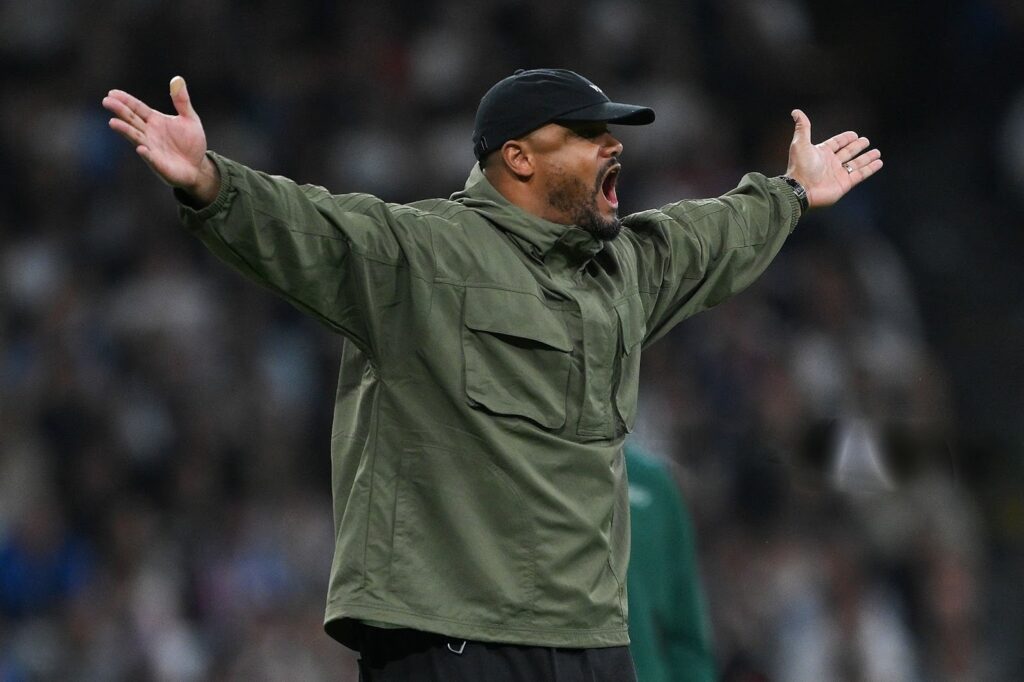
Before retirement, Kompany played under Pep Guardiola for 3 years, captaining City in their 100 points season. He would return to Anderlecht, where it all began, to end his career and start off as manager.
After two years at Anderlecht, Kompany took over as Burnley coach following their relegation to the Championship and quickly established a clear playing structure. He pushed his team to play high up the pitch, stay aggressive, sustain attacks, and maximize time on the ball.
The demands made it hard for the Burnley players, as Kompany, like Guardiola, is obsessed with detail and a relentless workaholic, but they adapted. Nobody, however, talks about how difficult it is to play that way without the right players and still get gobsmacked week in week out.
Kompany led Burnley to win the Championship, doing so with the most goals scored in that season in the Championship (87) and the highest possession per game (65%).
Premier League football is a steep cliff and very tough for the newbies. Kompany’s Burnley side came into the league with a lot of promise and exciting football, mirroring the style their manager wanted them to play.
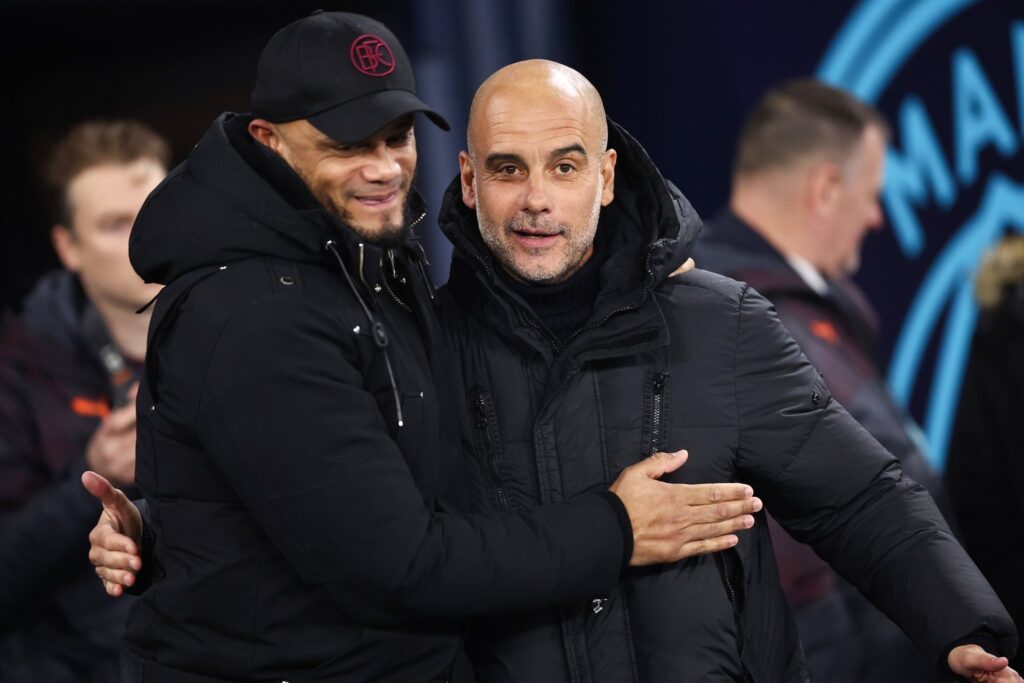
The team lacked one thing: results. They were not winning because they lacked the players to execute their style against stronger opponents, leading to relegation.
In a surprising move, Bayern Munich signed Kompany in 2024 after his Premier League relegation, a decision many initially viewed as a gamble.
The gamble has paid off so far. Kompany has improved the squad and now has them competing for a possible treble this season. One clear theme defines his Bayern side: off-ball movement. Against Real Madrid, their back four rotated fluidly in a 4-2-3-1, unsettling the opposition.
Facing Vinícius Júnior and Kylian Mbappé, Joshua Kimmich dropped into defense to form a back three, giving Bayern a numerical advantage.
Every player shows a relentless work ethic and technical quality. Kompany commands respect from his players and opposing coaches.
Against Paris Saint-Germain in the UCL, Kompany’s Bayern team played out one of the most thrilling games in the history of the competition, finishing with a 5-4 scoreline (6-5 aggregate score).
Erik Ten Hag
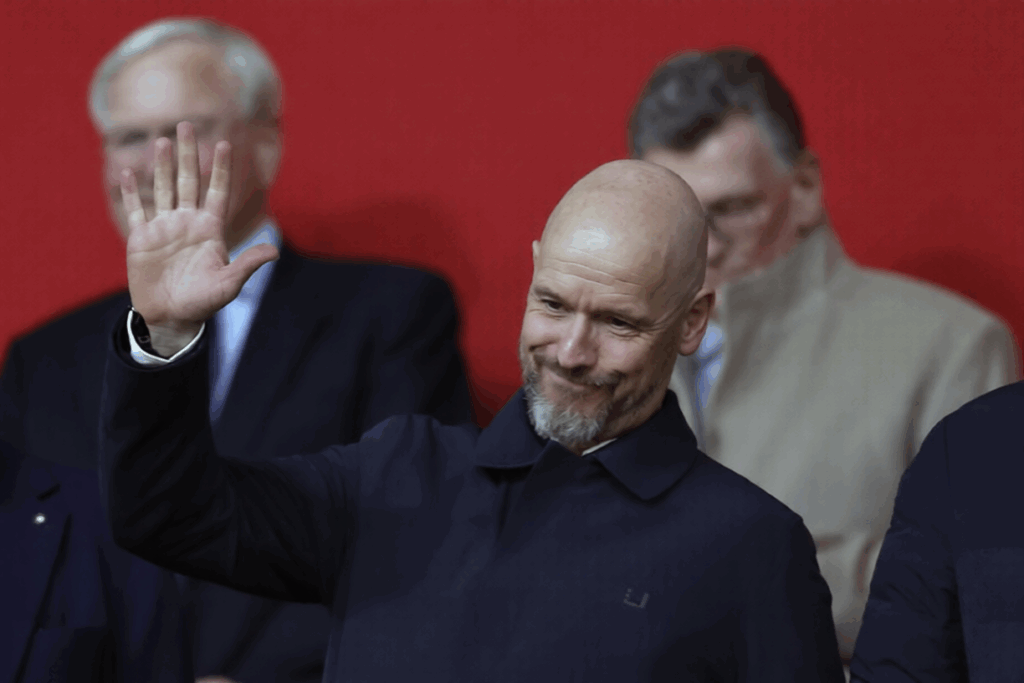
Watching a youthful Ajax team pummel bigger clubs like Juventus and Real Madrid in the Champions League in 2019 was one of the most beautiful nights in Europe. Behind the scenes, Erik Ten Hag was the man pulling the strings as coach.
Before then, he had learned a lot from Pep Guardiola in Germany. Surprising as it may seem, Erik Ten Hag served as the Bayern B team coach, and he had close access to watching how Guardiola managed his squad.
Ten Hag’s team played proactive, possession-based football, occupying the half spaces and trying to win the ball back immediately it got lost, just like a Guardiola side.
He succeeded for the majority of his career at Utrecht and Ajax. He replaced Ragnick at Manchester United in 2022 and faced a different beast that tactics alone could not solve. Even at United, he did not operate as the most efficient manager tactically.
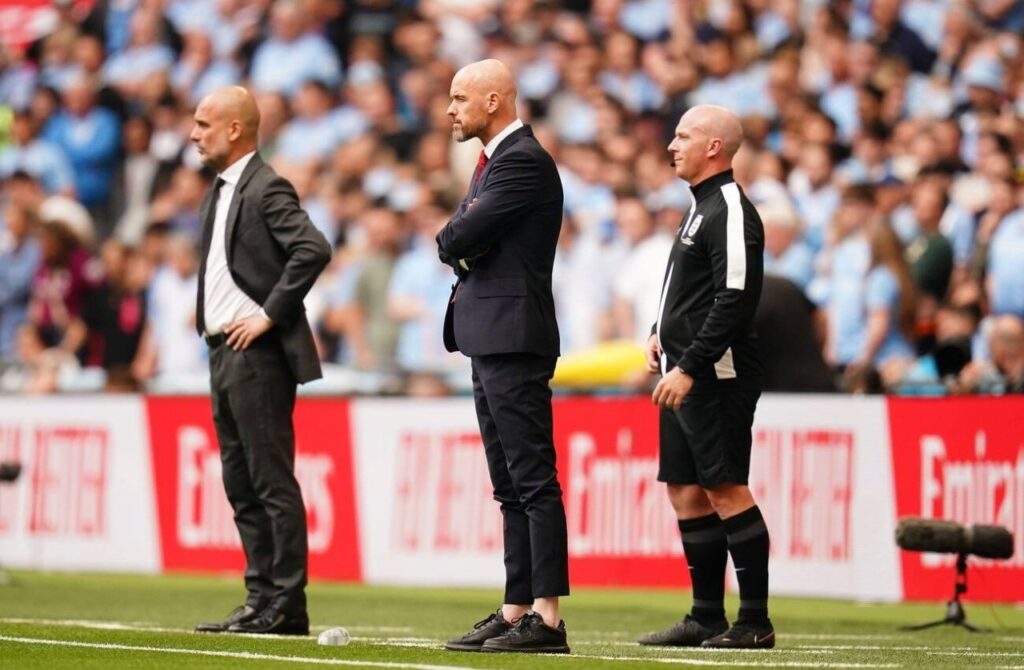
Ten Hag was not the best at recruitment, despite spending 600 million on transfers during his time as United manager; most of the players did not improve the squad, which largely affected his playing style. Man-management was also a problem as he found it difficult to get going with the bigger players. The debacle with Cristiano Ronaldo exemplified everything.
Ten Hag won a couple of trophies for United, like the FA Cup and Carabao Cup, secured a few wins against the big 6, and always managed to keep his job at the brink of sack, but United eventually let him go in 2024.
Leverkusen hired Ten Hag as a replacement for Alonso, but the same problems at United followed him, as his relationship with the club leadership broke down almost instantly, which led to his sack after 2 games in charge.
Ten Hag has since returned to the Netherlands, where he assumed the position of technical director at Eredivisie club Twente. If he succeeds in that role, we may not see a return to coaching for the Dutchman.
Who wrote this?

Francis Muojindu is a law graduate, journalist, and writer who is always seeking to amplify African Voices in sports.
He primarily covers football, basketball, and athletics with good knowledge of other sports.
When Francis is not bantering with friends, he is on the search for the latest news flying across the globe.
- Francis Muojindu

- Francis Muojindu

- Francis Muojindu
- Francis Muojindu

- Francis Muojindu

- Francis Muojindu
- Francis Muojindu

- Francis Muojindu