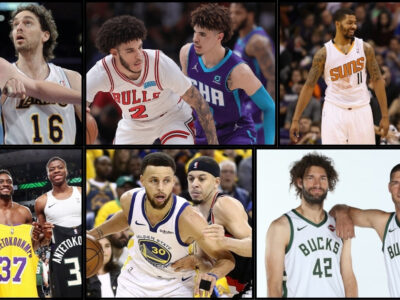




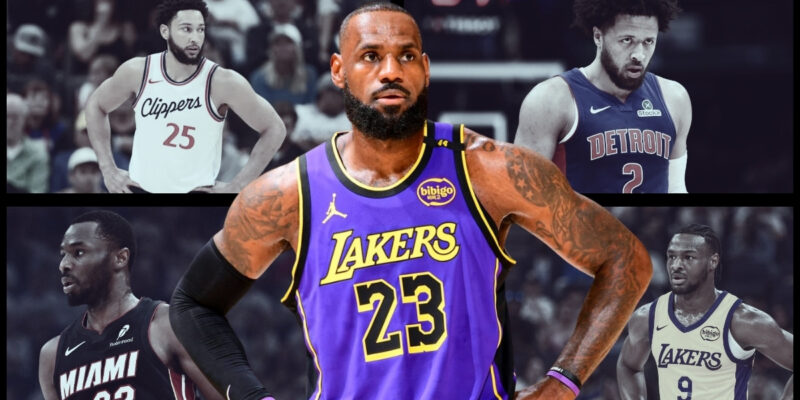
Ever since Kobe retired, LeBron James has served as the undisputed yardstick for greatness.
From the moment he appeared on that iconic Sports Illustrated cover as “The Chosen One,” he not only met the hype, he transcended it.
His unique combination of a linebacker’s frame, a track star’s speed, and a floor general’s vision created a blueprint so alluring that the basketball world became obsessed with finding its successor.
We simply couldn’t help ourselves, and for justifiable reasons.
Every time a high school phenom threw down a thunderous transition dunk or a 6’9″ point forward flashed elite passing traits, the sirens started blaring.
Scouts and fans alike rushed to crown “The Next LeBron,” often before these teenagers could even legally drive.
Some prospects carried the “LeBron-esque” tag because of their raw physical dominance, while others earned it through their high-usage playmaking brilliance.
However, as we look back at the players who shouldered this monumental burden, we see a fascinating spectrum of careers.
Some carved out their own Hall of Fame paths, while others buckled under the weight of an impossible standard.
Let’s dive into the history of the players we dubbed the heirs to the King’s throne.
8. OJ Mayo
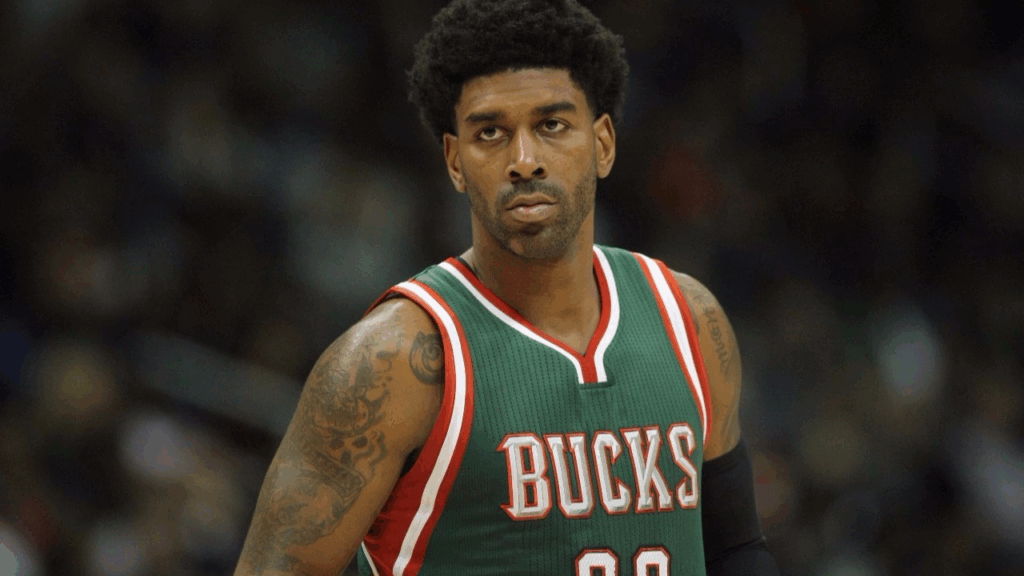
Sharing Ohio as a home state with LeBron subtly indicated Ovinton J’Anthony “O.J.” Mayo was on a similar path to stardom.
By 14, Mayo was a local legend, a 7th grader scoring 23 points nightly on varsity and appearing in Sports Illustrated as “The Next One.”
At USC, he averaged 20 points per game, showing he was every bit the 6’4″ scoring machine poised to inherit LeBron’s throne.
His early NBA transition only increased hype. Mayo burst onto the scene for Memphis, averaging 18.5 points as a rookie and nearly stealing Rookie of the Year from Derrick Rose.
Unlike other prospects who struggled with adapting to the pace of the NBA, Mayo looked entirely at home, playing all 82 games in each of his first two seasons.
Despite his smooth pro transition, Mayo’s career took a sharp, unexpected turn, showing the gap between talent and longevity.
Mayo’s production stagnated and then plummeted as he failed to transform his game to stay ahead.
The “Point Forward” skills he showed in high school didn’t translate to elite NBA playmaking.
After a broken ankle cut his 2015–16 season short, he was dismissed from the league for violating the NBA/NBPA Anti-Drug Program. Eligible for reinstatement in 2018, he never returned to an NBA roster.
After his final NBA stint with Milwaukee, Mayo played in leagues in countries including Taiwan, Puerto Rico, Russia, and Egypt.
7. Michael Beasley
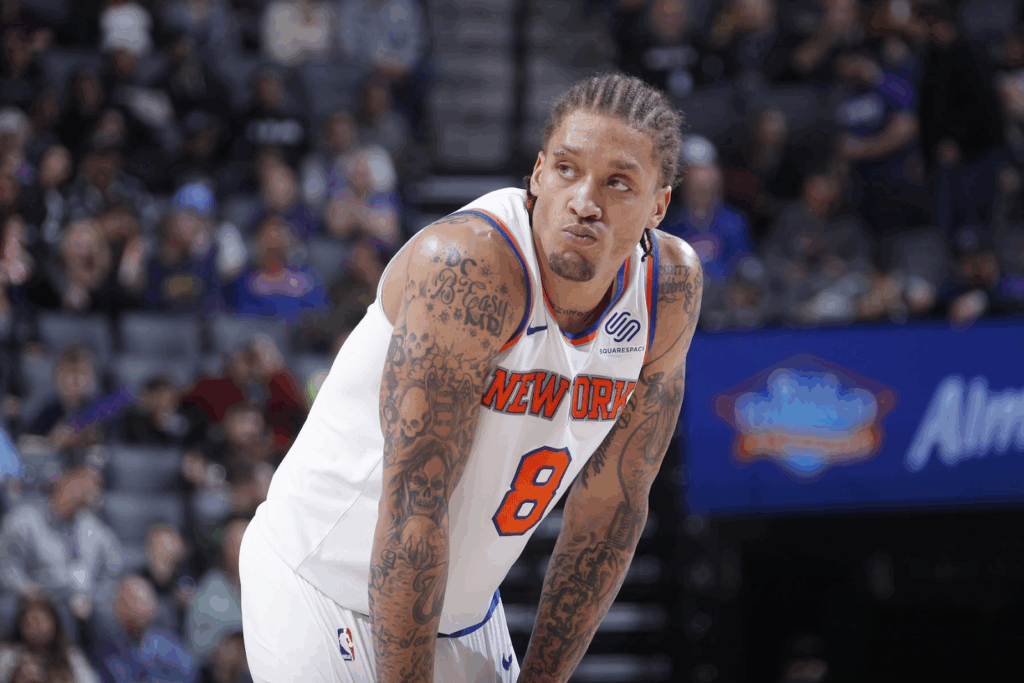
Michael Beasley was one of the “faces of college basketball” in 2008, as his raw scoring power left many in awe.
As a mere freshman at Kansas State, Beasley ran the show in the offense department, averaging 26 points and 12 rebounds.
From the onset, he possessed the “walking player” mentality. At 6’9″, Beasly was a force to reckon with, shooting from beyond the arc and bullying anyone in the paint with his physical strength.
When the Miami Heat secured the second overall pick, the conversation wasn’t about whether he had the talent to be “The Next LeBron”—it was about how quickly he would start leading the league in scoring.
During his college days, he famously shattered records previously held by legends like Carmelo Anthony, making the game look entirely too easy.
Despite that, the comparison to LeBron James hit a significant wall once he entered the professional ranks.
Contrary to LeBron’s renowned discipline, Beasley’s journey became defined by inconsistency and off-court distractions that hampered his development in the league.
In Miami, he was drafted to be the second star alongside Dwyane Wade, but he eventually found himself coming off the bench as his focus and maturity were questioned.
LeBron also had a defensively astute side to his game. Beasley, in that regard, struggled to establish himself as a reliable asset on the defensive end.
The painful loss of his mother in 2018, as well as mental health struggles, put the nail in the coffin on any hopes of a comeback.
Beasley arguably remains one of the most gifted 1-on-1 scorers to ever grace the court, even famously claiming he could beat LeBron in a game of 21, but he lacked the discipline that keeps a player at the top level for two decades.
6. Jabari Parker
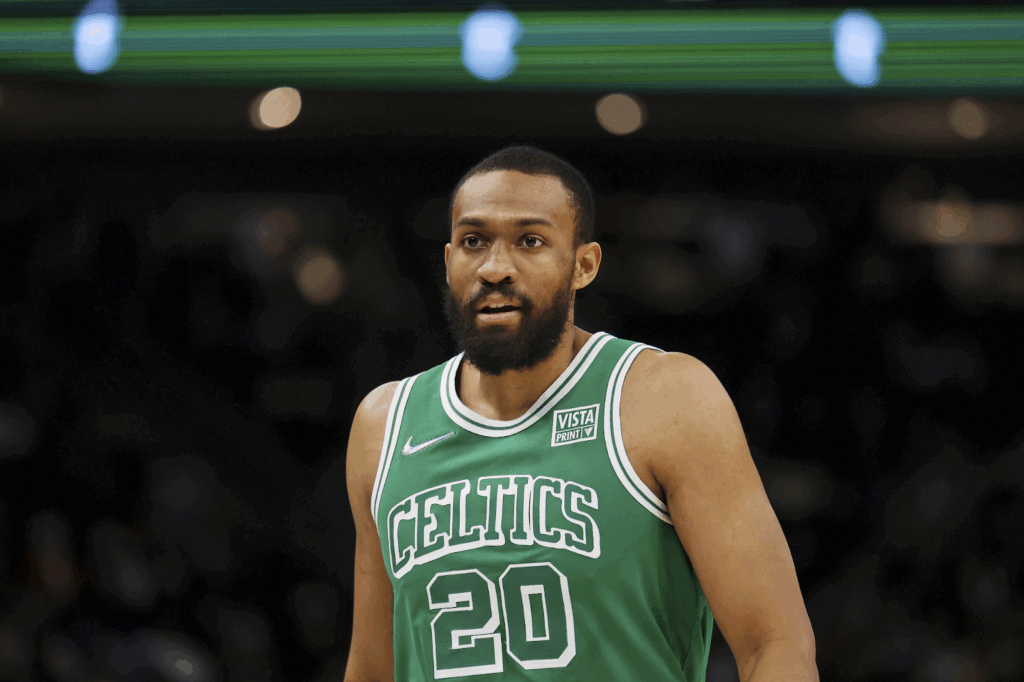
As a teenager, Jabari Parker was one of the most hyped and decorated basketball prospects in American history.
In 2012, Sports Illustrated famously plastered a 17-year-old Jabari on their cover with the bold subheadline: “The Best High School Player Since LeBron James.”
It wasn’t just lazy hyperbole. Parker dominated the Chicago prep scene with a combination of size, skill, and maturity that we rarely see in teenagers.
He was a 6’8″, 240-pound offensive prodigy able to dunk, handle the ball, shoot from the perimeter, and dominate opponents in the post with a “Point Forward” flair that drew LeBron comparisons.
When the Milwaukee Bucks took him second overall in 2014, the basketball world expected him to be the immediate offensive engine of a franchise.
Unlike other prospects who needed time, Parker seamlessly blended in by showing excellent positioning and composure.
By his third season, he was already averaging over 20 points per game, while displaying similar complete dominance to that which LeBron had shown in his career.
Unfortunately, the cruel reality of professional sports intervened in the form of two devastating ACL tears in the same knee.
The explosive traits that put him in “Next LeBron” conversations began to wither after undergoing multiple surgeries.
Instead of spending his twenties elevating his game to a Championship and MVP pedigree, he spent them in grueling rehab sessions.
By the time he reached his physical prime, the conversations he found himself having had shifted from “Next LeBron” to “What If” territory.
Today, Parker continues his career in European basketball. At 30 years old, he remains a gifted scorer, most recently suiting up for Joventut Badalona in Spain after leaving the NBA.
5. Cade Cunningham
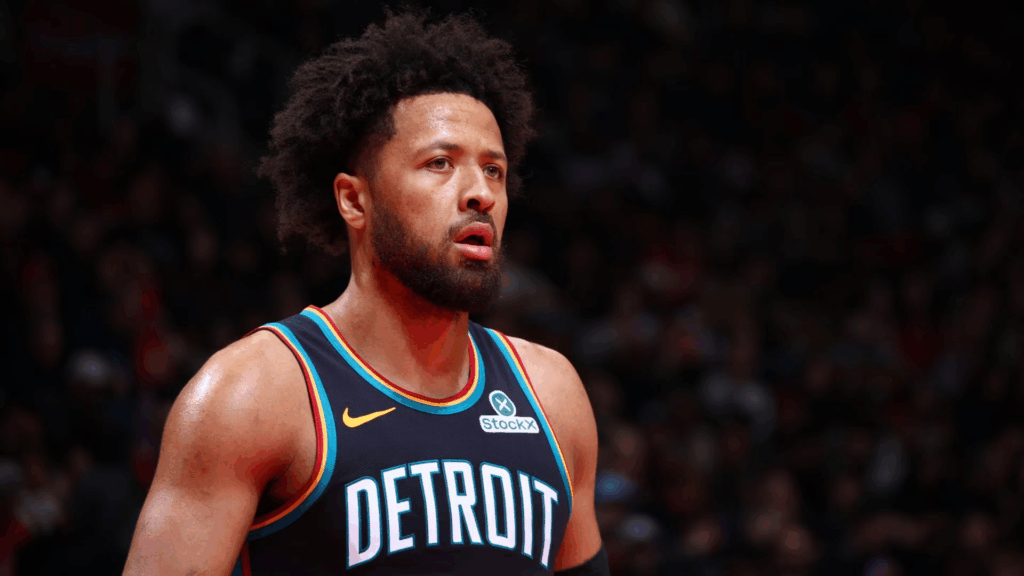
While many candidates earned the “Next LeBron” tag through sheer athletic dominance, Cade Cunningham took a more cerebral route to the throne.
When he entered the 2021 draft, scouts weren’t mesmerized by a 40-inch vertical. Instead, they marveled at a 6’6″ point guard who manipulated the pace of the game like a grandmaster playing speed chess.
Like LeBron, Cade has a “high-definition” court view, using rare composure to see three moves ahead.
Fans of Detroit were optimistic about his arrival, as his skill set and brilliant reading of the game made him an ideal candidate for a rebuild.
His ability to control the rhythm of a game often makes Cade look like he’s playing in slow motion while everyone else is scrambling.
His 2025-26 campaign has been a masterclass in this “point-forward” philosophy, as he currently leads the East-leading Pistons, who were once the league’s laughing stock two seasons ago, with nearly 25 points and 10 assists per game.
This statistical profile, balancing high-level scoring with elite playmaking, mirrors the peak offensive orchestration we’ve seen from LeBron for two decades.
What clearly sets LeBron and Cade apart is the latter’s underwhelming physical dominance.
LeBron has been worshipped for his unbreakable athleticism, while Cade, conversely, has faced a more treacherous path through the training room.
A shin injury nearly erased his second season. While now a two-time All-Star, his career features brilliant streaks disrupted by setbacks.
Cade’s style of play is effective, but greater availability and physical assertiveness would further boost his impact.
Cade Cunningham isn’t trying to replicate LeBron’s dunk highlights, but he is successfully channeling the King’s ability to run several plays effectively.
3. Andrew Wiggins
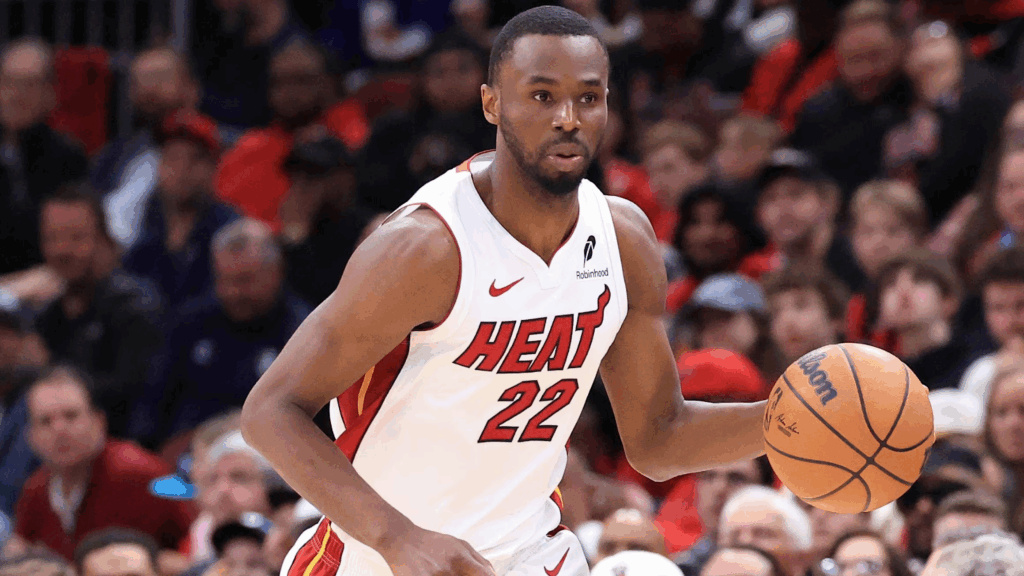
In 2013, the Canadian phenom, Andrew Wiggins, often called “Maple Jordan”, emerged as the basketball world’s definitive answer to the search for the next LeBron.
This wasn’t just talk from bored fans on Twitter; the scouting reports literally mirrored LeBron’s high school data.
When the Cleveland Cavaliers drafted him first overall in 2014, the irony felt too perfect. Wiggins was supposed to be the guy who rebuilt the franchise while the actual King was away in Miami.
The prime factor that merited the comparison rested on a foundation of pure, unadulterated verticality. At 6’8″ with a 7-foot wingspan, Wiggins’ approach to the game appeared illogical.
His 44-inch vertical leap made him a transition nightmare, and his defensive potential seemed limitless.
When he scored 41 points against LeBron’s Cavaliers just months after being traded to Minnesota, the narrative seemed set.
We expected him to become the high-volume, main-character superstar who would carry a franchise for several years.
Nonetheless, the contrast between Wiggins and LeBron eventually revealed itself in the locker room and the box score’s advanced columns.
While LeBron is a relentless, vocal leader who manipulates every facet of a game, Wiggins earned a reputation for being passive.
He did not possess that X-factor needed to propel him from a consistent scorer to a franchise leader.
The trade that sent him from Cleveland to Minnesota for Kevin Love symbolized the gap; the Cavs traded the “Next LeBron” to win a title with the actual LeBron.
Wiggins eventually shed the impossible weight of being the “Next LeBron” and found his true self as an elite two-way contributor.
By helping the Warriors secure the 2022 championship, he proved he was a winning player, just not the generational phenom we predicted.
2. Zion Williamson
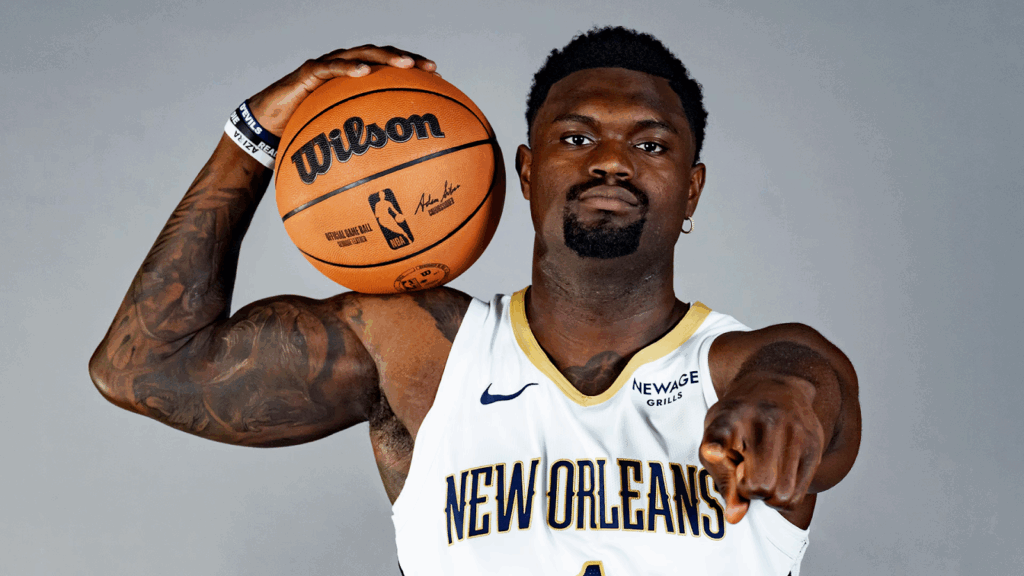
Zion Williamson arrived as the physical personification of LeBron’s raw, freight-train power. He was a more explosive LeBron, and many described him as the legitimate successor.
Before he even stepped onto Duke’s campus, Zion was already a household name, racking up millions of views on YouTube with dunks that felt like they violated the laws of physics.
It felt like watching a 280-pound glitch in the matrix who moved with the agility of a featherweight boxer.
Like a young LeBron in Cleveland, Zion scored in overwhelming fashion, either with a soft touch after breezing past traffic or with ferocious dunks.
When he dropped 22 points in his first 18 minutes of NBA action, the initial hype felt justified. He looked like the first player since LeBron who could truly physically bully an entire professional league from day one.
Yet, as we’ve seen so often, the path to greatness requires more than just elite tools; it requires availability. This is where the LeBron comparison reaches a dead end.
LeBron James famously invested millions into his body to maintain a “Titanium” level of durability, missing very few games in his prime.
In contrast, Zion’s career has been a series of spectacular flashes hampered by a frustrating series of injuries.
Off the court, Zion also fails to replicate the admirable discipline portrayed by the King.
Questionable escapades, ranging from his unhealthy diet to his history of awkward scandals involving women, further diluted the earlier comparisons he mustered to LeBron.
Ultimately, Zion Williamson proved that he could match, and occasionally, exceed LeBron’s interior dominance.
However, the “Next LeBron” crown requires a relentless, year-after-year consistency that Zion hasn’t yet secured.
1. Ben Simmons
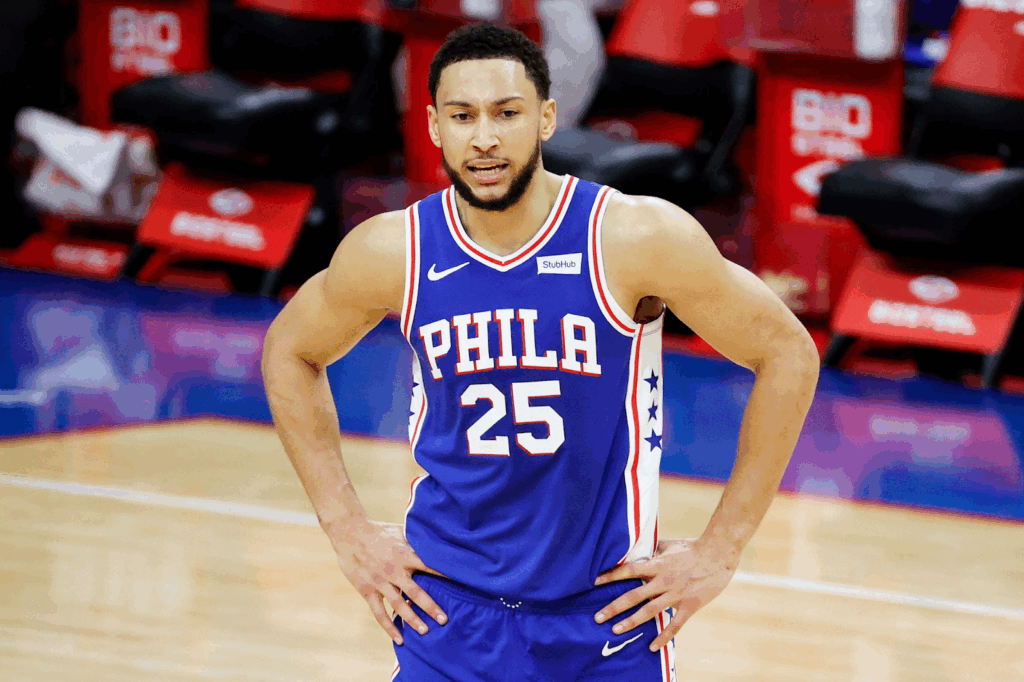
Coming out of LSU, Ben Simmons shared more than just LeBron’s height. He also mirrored that rare, “point forward” DNA that allows a 6’10” specimen to dissect a defense with vigor.
When he stepped onto the court for the Philadelphia 76ers, he moved with a fluid, terrifying flow that suggested we were finally seeing the King’s true stylistic heir.
The 76ers viewed Simmons as an important piece of “The Process”. The board members envisaged Simmons would bring the Magic Johnson-esque feel to the team, complimenting Joel Embiid’s efficient scoring and putting together a winning team.
The “why” behind the hype was simple: vision and physics. Like LeBron, Simmons used his massive frame to see over double teams and deliver dimes that hit shooters right in their shooting pockets.
During his Rookie of the Year campaign, he put up numbers that only Oscar Robertson and Magic Johnson had amassed.
Colin Cowherd, an American media personality, was convinced that the arrival of Simmons in the league would subsequently lead to the end of LeBron’s reign and subsequent retirement.
Nevertheless, the path diverged during the most critical evolution of a superstar’s career: the jump shot.
While LeBron famously spent a decade transforming himself from a shaky shooter into a legitimate perimeter threat, Simmons’s offensive growth seemingly hit a wall.
LeBron embraced the pressure of the big moment by expanding his bag, but Simmons’ confidence appeared to shrink as the lights became brighter.
The 2021 playoffs became the ultimate breaking point. When he passed up an open dunk against the Hawks, the “Next LeBron” comparison evaporated.
Today, Simmons serves as a cautionary tale about the weight of expectations. He remains an elite passer and defender when healthy, but the “Next LeBron” label requires a scoring bag that he simply never developed.
Bronny James (Honourable mention)
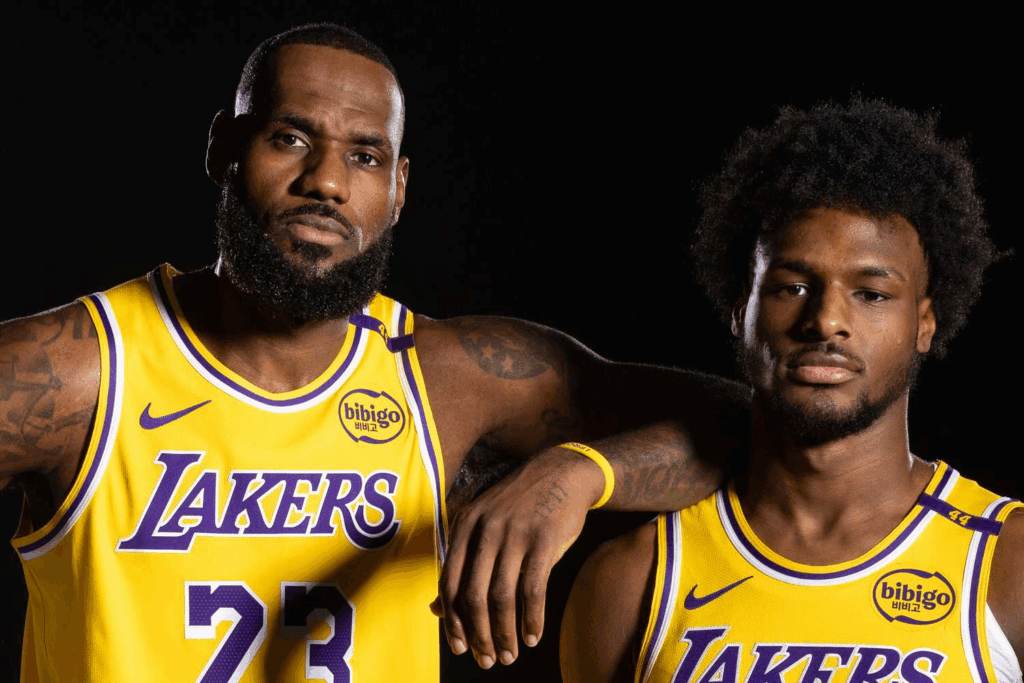
Bronny James’ inclusion in this list is bestowed in a unique manner, as he is the only NBA player to share the King’s DNA.
Unlike the other phenoms we’ve discussed, Bronny was born into the conversation.
From the start at Sierra Canyon, fans saw him as the literal continuation of the lineage. This created a performative anticipation that arose from the possibility of the continuation of LeBron’s lineage in the NBA.
When you watch Bronny navigate a pick-and-roll or fire a cross-court pass, you see the unmistakable influence of LeBron’s mental approach.
He shares that same “willing playmaker” mentality, often prioritizing the right basketball move over his own scoring totals.
This trait made him a standout at the 2024 NBA Draft Combine, where scouts raved about his defensive awareness and his ability to fit into a winning system.
Despite his team-oriented approach, the obvious disparity in height between Father and Son suggested that Bronny could not replicate LeBron’s feat.
This height difference fundamentally changes his ceiling from a franchise centerpiece to an efficient role player.
At 6’2″, Bronny is limited to the guard positions, whereas LeBron could play across the five positions. This created a quagmire that warranted Bronny evolving his game contrary to LeBron’s blueprint.
While LeBron spent his rookie year averaging 20 points per game and carrying a city’s hopes, Bronny’s early professional journey has involved a developmental mix of Lakers appearances and G-League assignments.
The bottom line is that Bronny represents the most grounded version of the “Next LeBron” narrative.
His legacy won’t be measured by whether he catches his father’s 40,000 points, but by how he carves out an identity as an elite 3-and-D guard in his own right.
Who wrote this?

Bienuoma Agaga-Akpati is a software engineer, writer, eSports player, and sports enthusiast, presently working with a group of ambitious Africans to transform the writing industry. With good knowledge of various sports and eSports, coupled with his keen ability for research, he loves analyzing ideas and topics that fosters the growth of the sport and eSports scenes. In his spare time, he enjoys creating content and engaging in discussions across various platforms.
- Bienuoma

- Bienuoma
- Bienuoma
- Bienuoma

- Bienuoma

- Bienuoma

- Bienuoma

- Bienuoma

- Bienuoma

- Bienuoma

- Bienuoma

- Bienuoma

- Bienuoma

- Bienuoma

- Bienuoma

- Bienuoma

- Bienuoma

- Bienuoma

- Bienuoma

- Bienuoma

- Bienuoma

- Bienuoma

- Bienuoma
- Bienuoma

- Bienuoma

- Bienuoma

- Bienuoma

- Bienuoma

- Bienuoma

- Bienuoma