



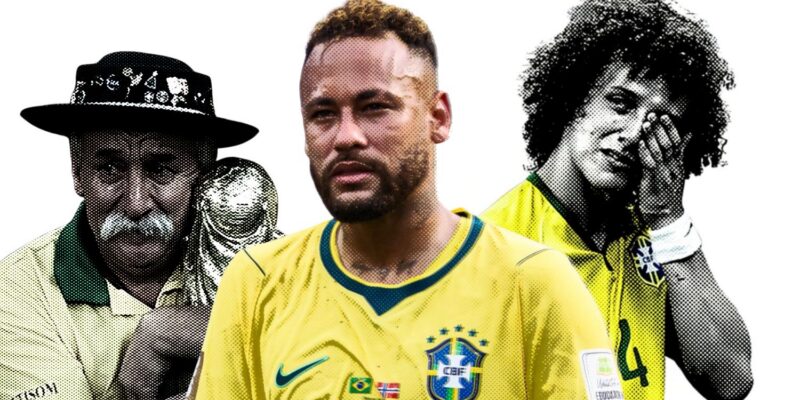
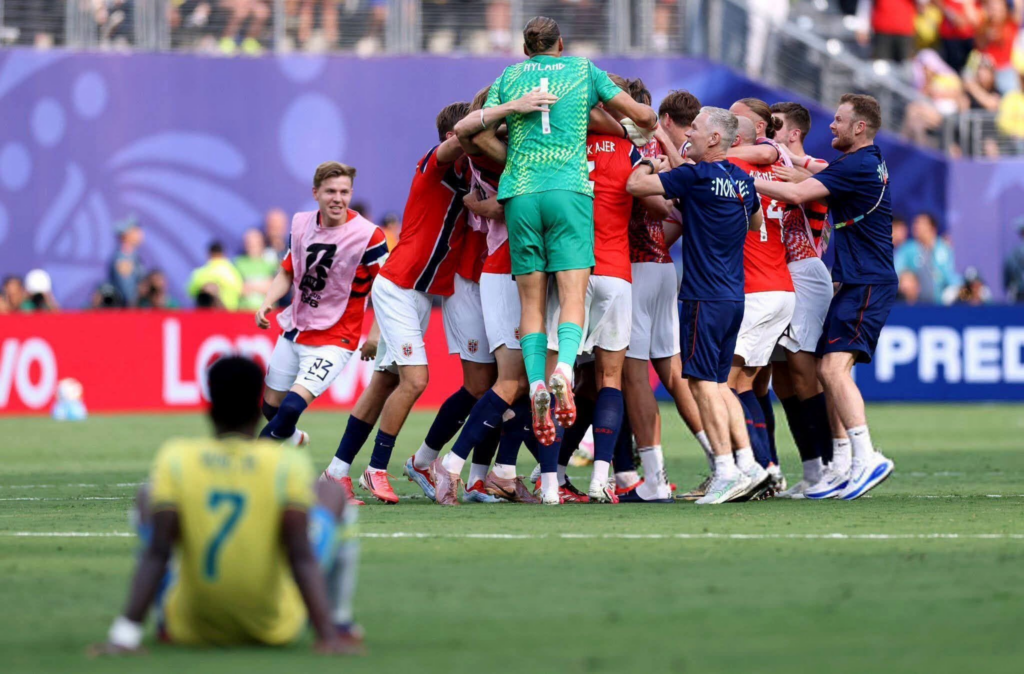
Six of the last six. That is how many World Cups in a row Brazil has now been eliminated by a European team. This traces back to the golden generation of Ronaldo, Kaká, and Adriano losing to France in 2006. The decline culminated with Erling Haaland scoring twice in eleven minutes, eliminating Brazil in the 2026 World Cup round of 16.
This marks the earliest exit for the five-time champions since 1990. Back then, they fell to Argentina at the exact same stage. Neymar, brought on as a substitute, converted a stoppage-time penalty that meant very little, and in a painful way, everything.
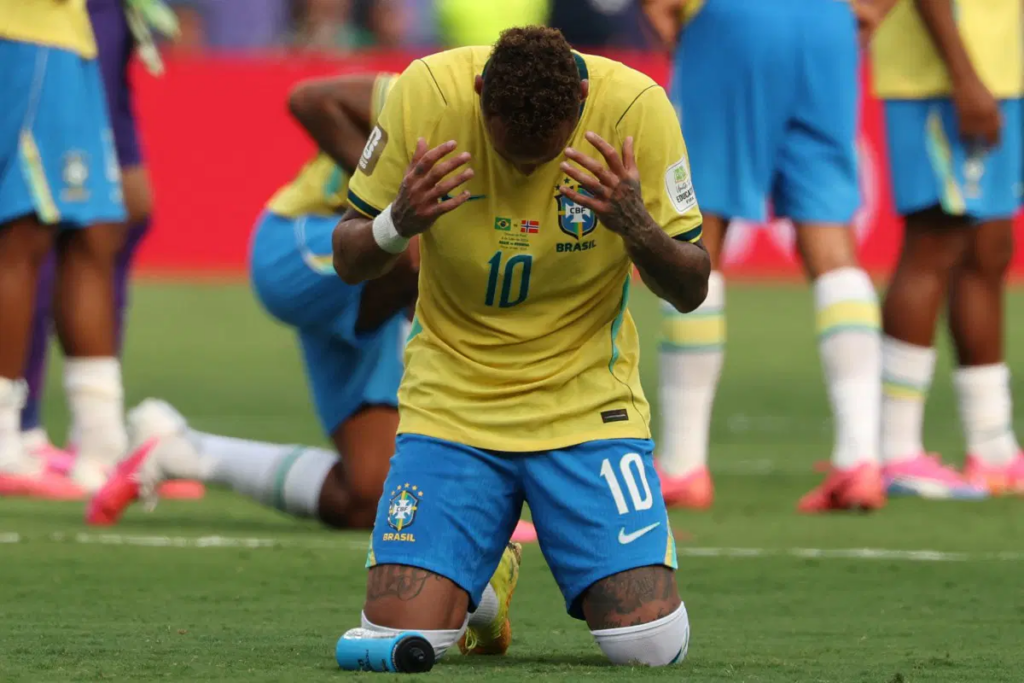
That was Brazil’s last goal of the tournament, and, as he confirmed in the mixed zone, the last of his international career. “I tried, I tried,” he said. “I started here at MetLife Stadium; I finished here. Now it’s all over.”
Within days, a rather bizarre argument was trending across Brazilian social media. “Se reza que nem gringo, joga que nem gringo” – If we pray like a gringo, we play like a gringo. Some Brazilian fans were blaming the country’s growing evangelical population for the death of the flair that once made Brazil unmistakable.
In 2002, when Brazil won its fifth star, roughly 80 percent of the country identified as Catholic and 15 percent as evangelical. Today, Catholics have slid to around 55 percent while evangelicals have surged past 25 percent, and this year’s squad reportedly counted 76 percent of its players as evangelical.
While the theory is indeed superstitious, its popularity is a stark indication that Brazilians are groping for any explanation for why they, a perennial powerhouse, have fallen off so badly.
2002: The Last Time It All Made Sense
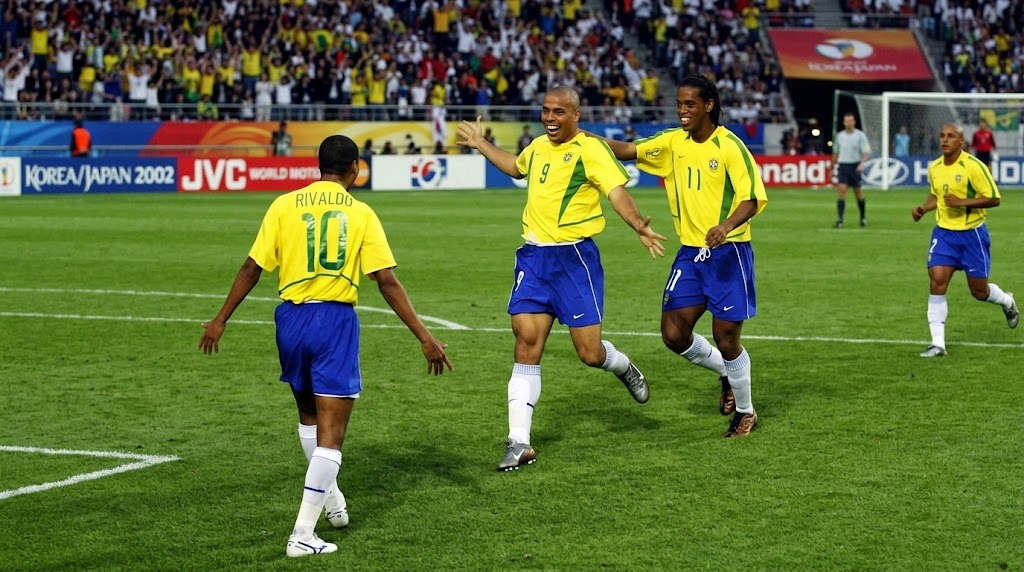
Back in 2002, Yokohama, Brazil had stumbled through qualifying, sacked and rehired coaches, and gone into the tournament under Luiz Felipe Scolari with Ronaldo only just back from two ruinous knee surgeries.
“If we pray like a gringo, we play like a gringo.”
None of it mattered once the tournament began, because for Brazil, qualifying was a mere formality. The team swept through six wins in six matches, brushing aside Belgium, England, and Turkey, and behind these dominant wins were the “three Rs”—Ronaldo, Rivaldo, and Ronaldinho.
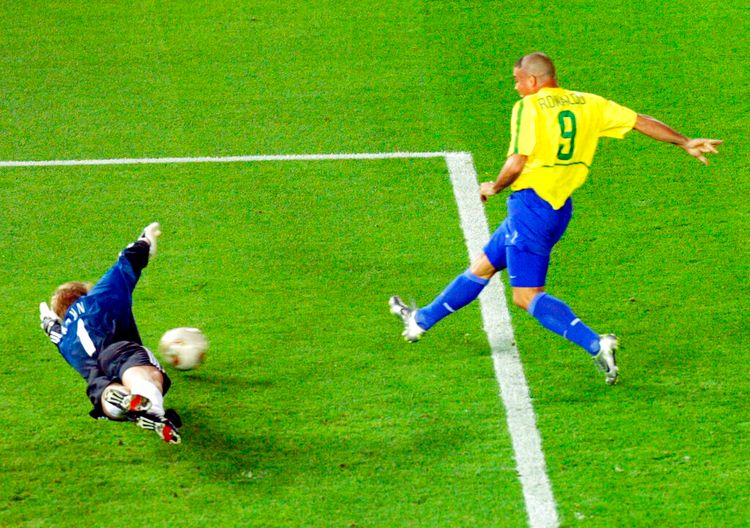
In the final, Rivaldo went quiet for 45 minutes, and Germany nearly rode Oliver Kahn’s heroics to an upset. Then, at the 67th minute, Kahn spilled a Rivaldo shot for Ronaldo to poach, then a dummy that peeled the German defense open for Ronaldo’s second. Brazil won 2-0, its fifth star, with Cafu becoming the only man to play in three straight finals. It remains, in hindsight, the last Brazilian side that felt fully Brazilian.
“If We Pray Like A Gringo, We Play Like A Gringo”
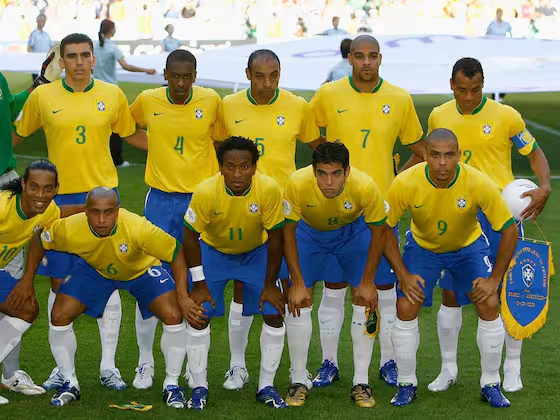
Twenty years before Brazilian football blamed religion for its demise, Brazil lost to an organized European side. It was a pattern that would repeat itself. Carlos Alberto Parreira’s 2006 squad arrived in Germany as reigning champions and Copa America holders. Featuring Ronaldinho, Kaka, Adriano, and Ronaldo, they were widely considered the most talented attacking quartet ever assembled.
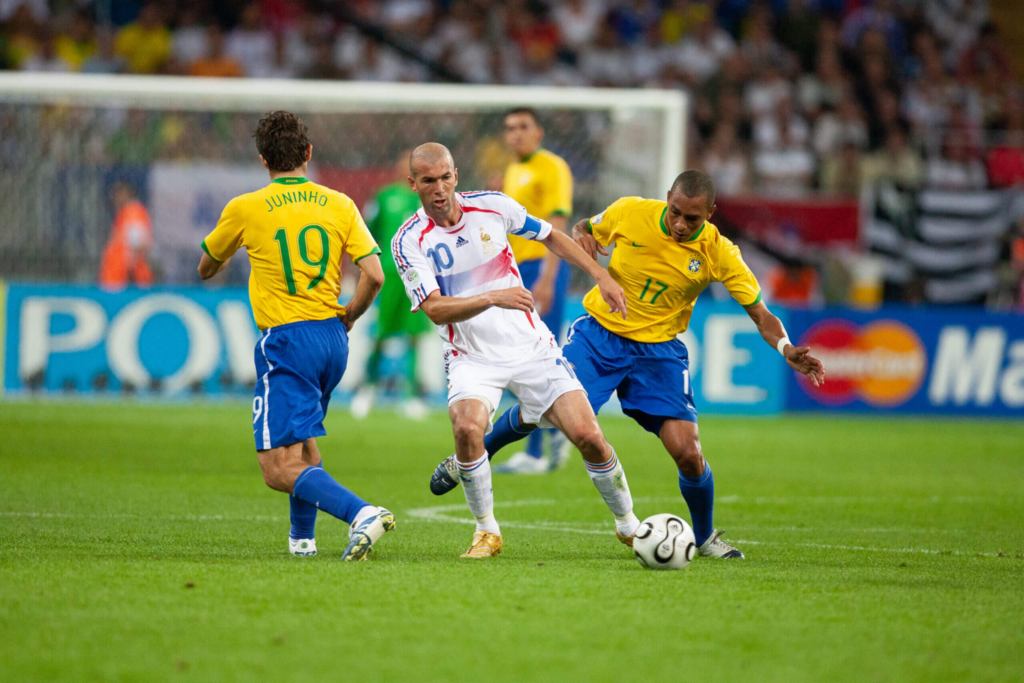
But Zinedine Zidane exposed that Brazil squad. In the quarterfinal in Frankfurt, he controlled the game from the first whistle, setting up Thierry Henry’s winner with a free kick that dismantled Brazil’s much-hyped attack.
Brazilian football writers called it “the tournament’s greatest disappointment.” It was a collection of individually brilliant Europe-based stars. Without the collective culture that once bound Brazilian teams together, they could not out-organize a more disciplined opponent. It was the first crack in the mirror, but also proof that talent alone, however dazzling, was no longer enough once identity no longer existed.
The Slow Drift (2010–2022)
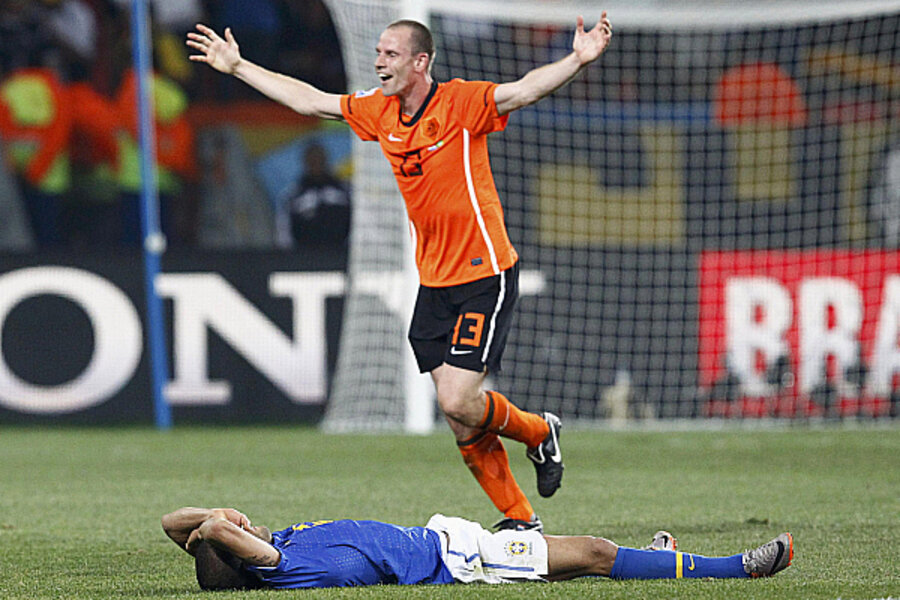
What followed 2006 was a drift. Brazil kept arriving as a favorite in four tournaments but kept leaving earlier than fans expected.
Dunga, who captained the pragmatic 1994 winners, took a more radical step. He built the 2010 squad around defensive solidity rather than flair.
This was a major philosophical break from Joga Bonito. Critics claimed it marked the death of the samba, even before the team was eliminated in the quarterfinals against the Netherlands.
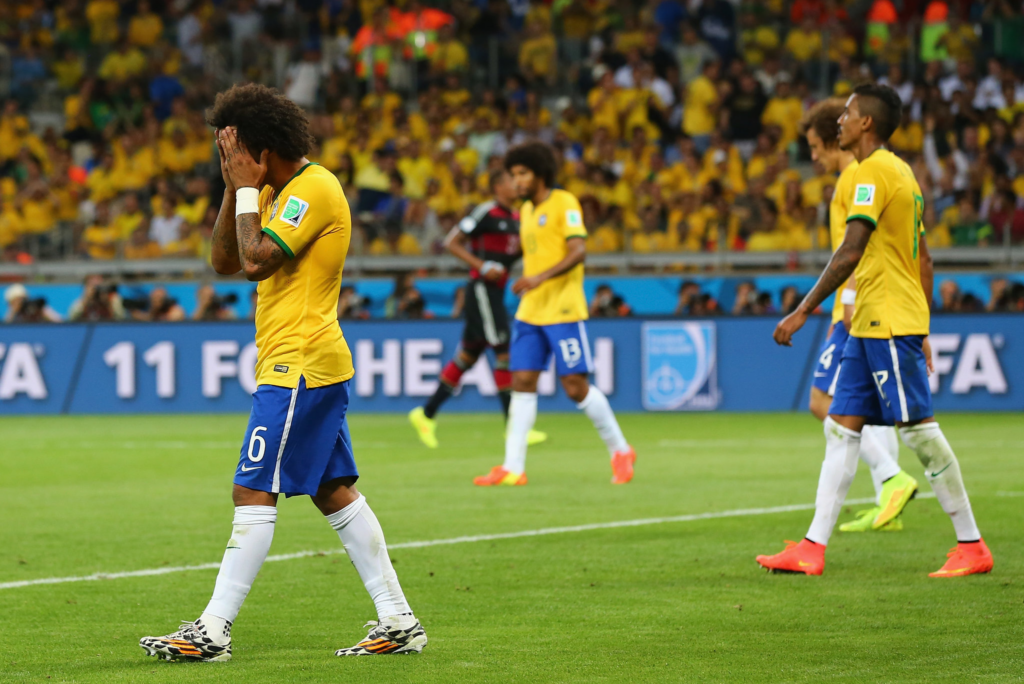
Then came the wound that has never truly healed. In the 2014 semifinal, Germany dismantled tournament hosts Brazil 7-1—a team playing without the injured Neymar and suspended Thiago Silva—inflicting one of the heaviest defeats in World Cup history.
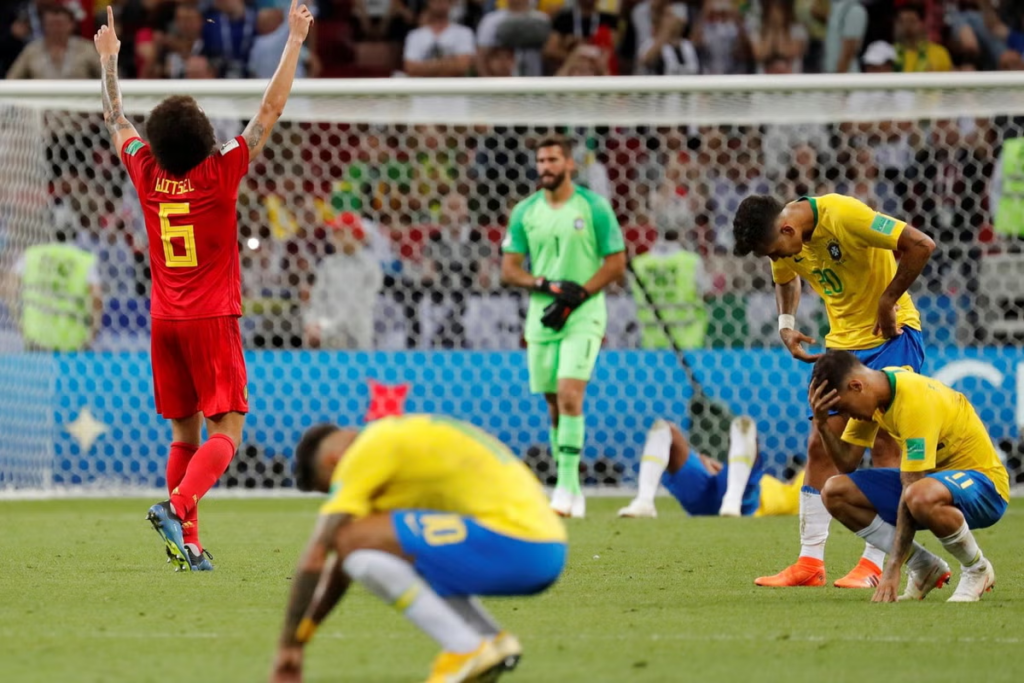
Belgium ended the 2018 campaign in the quarterfinal. Croatia did the same on penalties in 2022. The goalkeeper saved Rodrygo’s spot kick, Marquinhos struck the post, and Neymar never had the chance to take one.
By the time 2026 arrived, the pattern had calcified into something closer to expectation than shock, which is, in its own way, the most damning part of the story. A nation that once treated anything less than the final as a catastrophe had recalibrated its own ambitions downward.
Cafu’s Diagnosis
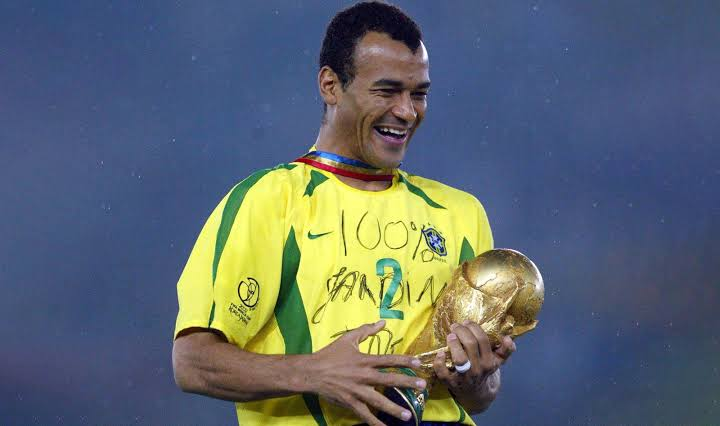
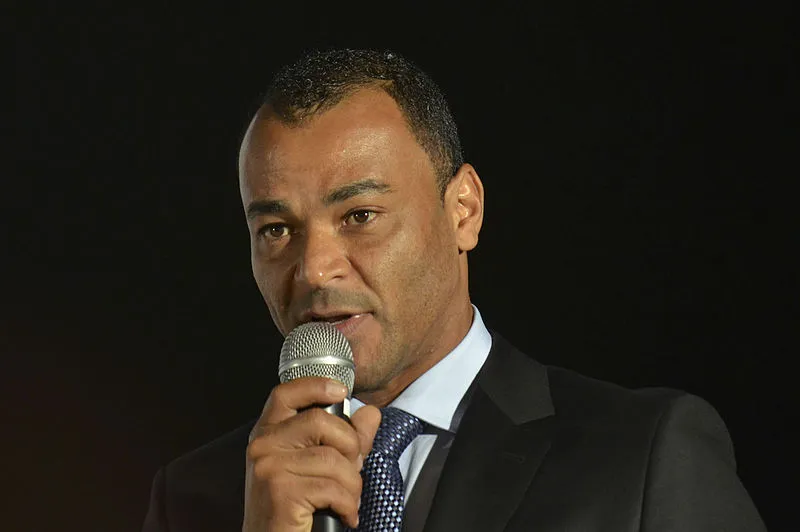
With all sincerity, nobody summarized Brazilian football to what it has become more plainly than Cafu. “Today we’re not developing players, we’re developing competitors,” he said in New York. “When you set up a youth program where you’re obliged to win, you’ll develop competitors. You won’t develop proper athletes with creative freedom.” He argued that even full-backs, the position he redefined, no longer learn to be full-backs first.
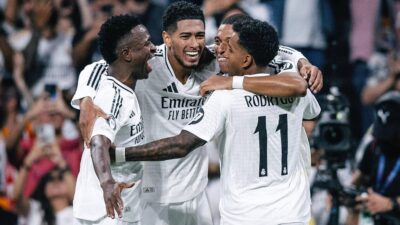
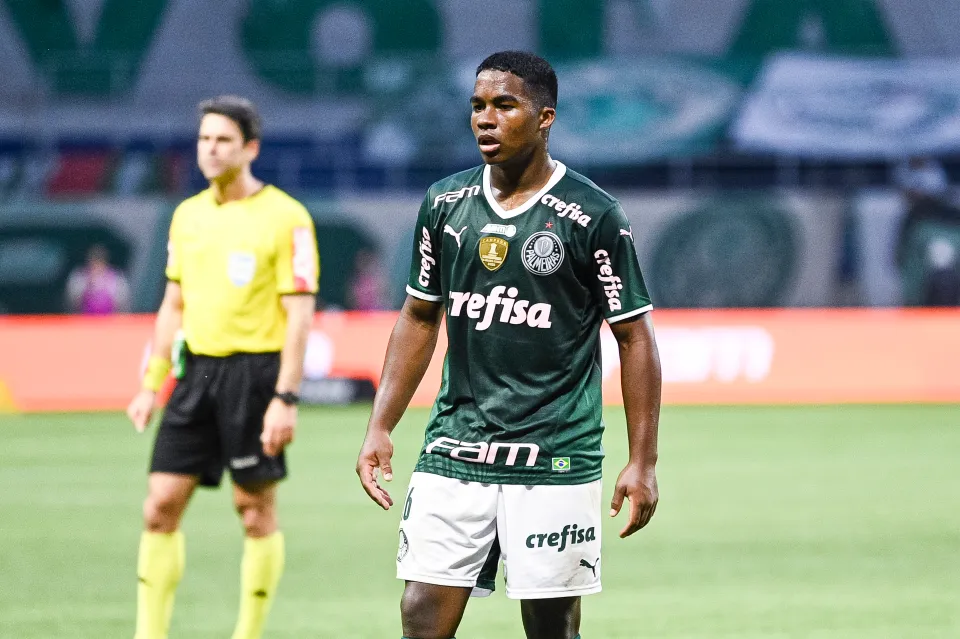
That diagnosis is inseparable from an export machine that now moves faster than at any point in Brazilian football history. Vinicius Junior left Flamengo for Real Madrid at 18. Rodrygo followed the same path from Santos at the same age. Palmeiras sold Endrick to Real Madrid for an initial £30 million while still a minor, and the FIFA underage transfer rules required him to wait until his 18th birthday to move.
Estevao made his professional debut for Palmeiras at sixteen years and seven months old and was sold to Chelsea for up to £52 million a year before he could legally join the club.
By the time these players earn a senior Brazil cap, European academy systems built for physical conditioning and tactical structure have already remolded them during their most formative developmental years—the very qualities Cafu hammered against.
To succeed at Chelsea or Real Madrid, a Brazilian teenager increasingly has to partially unlearn the instincts and the improvisation that made him worth signing at fifteen in the first place. There’s a pressing need to fit into the system, something most of these players are willing to do.
The Pull of Europe
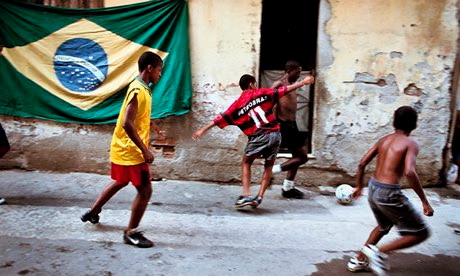
An image of an average football talent in Brazil is a teenage boy who plays football in a favela and seeks to use it as an escape from poverty.
Europe offers the facilities, utopian dream, and wages that Brazilian clubs cannot match. It is entirely rational for a seventeen-year-old from a modest background to choose Stamford Bridge over the Vila Belmiro.
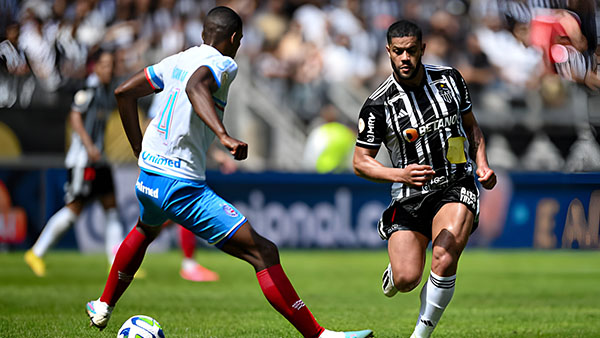
The ambition is human, and ambition and self-interest are not Brazilian failings. A player raised in a favela owes no one a sacrifice. He shouldn’t reject a life-changing deal for a romantic ideal. That ideal mostly serves football fans, not the players.
The main complication comes from the comparison it invites. For a country, the World Cup is football’s ultimate peak. For an individual player, that peak is reaching a Champions League final. It is also competing for the Ballon d’Or while playing weekly at the Bernabéu.
When those two peaks stop pointing in the same direction, things shift. Playing beautifully for Brazil once every four years matters less to a career than playing weekly for a European club. It should surprise nobody that talent gradually organizes itself around the second peak rather than the first.
Can Brazil Recover?
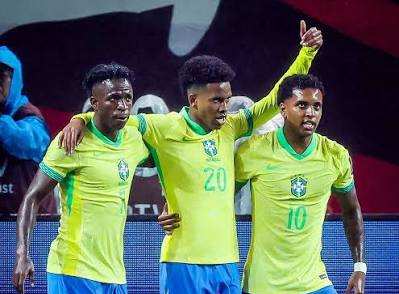
Neymar’s tears at MetLife Stadium closed more than one chapter. He is Brazil’s all-time leading scorer and, arguably, the last player whose game was still legible as an inheritance from Ronaldinho and Ronaldo. His retirement leaves a dressing room of Vinicius Junior, Rodrygo, Endrick, and Estevão. Although gifted, their careers have been shaped from adolescence by a football culture that is not Brazilian.
Recovery, if it is possible, will not come from another coaching appointment alone. It will require what Cafu is prescribing. Youth academies must be willing to lose a tournament or two. The goal is producing athletes who are distinctly Brazilian. This also requires a more confident footballing culture. The domestic league needs to hold its best teenagers a few years longer. They must stay before the big money arrives.
To make this more tenable, the Brazilian Football Federation has a part to play. Just as Pelé was made a national treasure to keep him in Brazil, perhaps the country needs a policy that keeps its young talents at home. This would give them enough time to master their distinct style before moving abroad.
Achieving this requires deep structural reform across the sport. Brazilian clubs must focus on developing player talent rather than treating young prospects merely as commodities to sell off quickly.
The entire football system needs to shift its priorities. Success should be measured by the quality of players produced rather than short-term trophy counts or transfer profits.
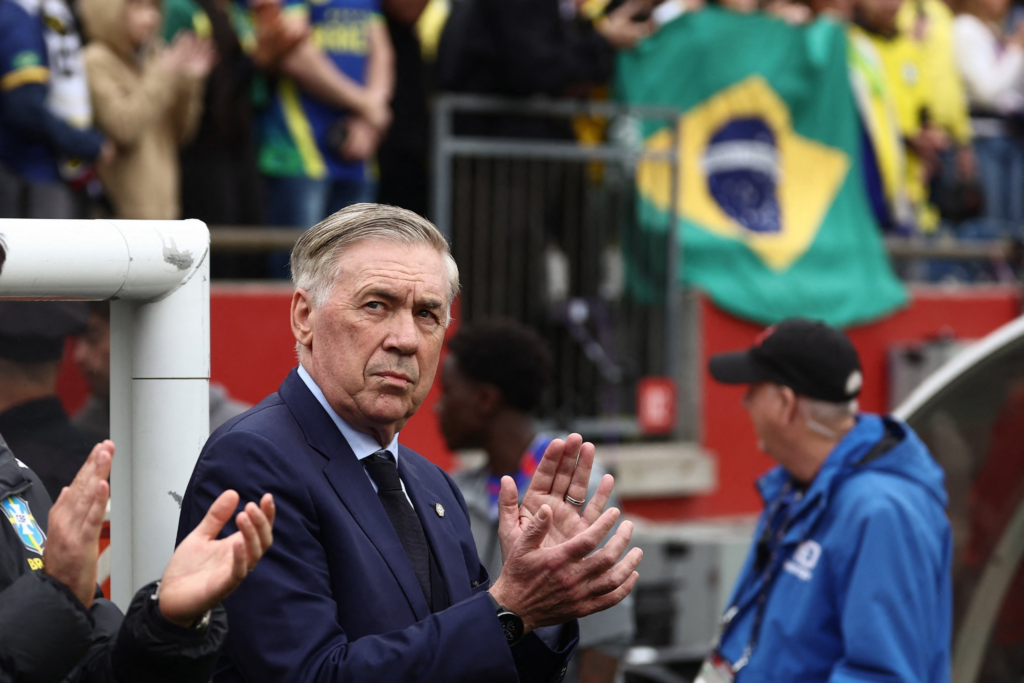
Carlo Ancelotti has been kept on for a “new cycle” after the defeat to Norway. He inherits a rebuild that is as philosophical as it is tactical. However, this process does not deliver the fluid style of football that Brazilian fans want. Neymar, being the last of the Joga Bonito era, wore the yellow shirt for the final time. Now, it is Ancelotti’s duty to create some magic with a crop of players engineered under a European style of play.
Whether Brazil can still produce a Joga Bonito side is a question the country will spend the next four years, or more, trying to answer. Alternatively, the identity that word once described may now exist only in legend.
Who wrote this?

Mahbubat Salahudeen is a Sport Journalist with a primary focus on Youth-Athleticism and women's football.
She is currently pursuing a degree in Media Communications and Public Relations. While much of her experience lies in Sports communications, she has honed transferable skills in strategic communication, audience engagement, and digital media production that transcend industries.
- Mahbubat Salahudeen
- Mahbubat Salahudeen

- Mahbubat Salahudeen

- Mahbubat Salahudeen

- Mahbubat Salahudeen

- Mahbubat Salahudeen

- Mahbubat Salahudeen

- Mahbubat Salahudeen

- Mahbubat Salahudeen

- Mahbubat Salahudeen

- Mahbubat Salahudeen