


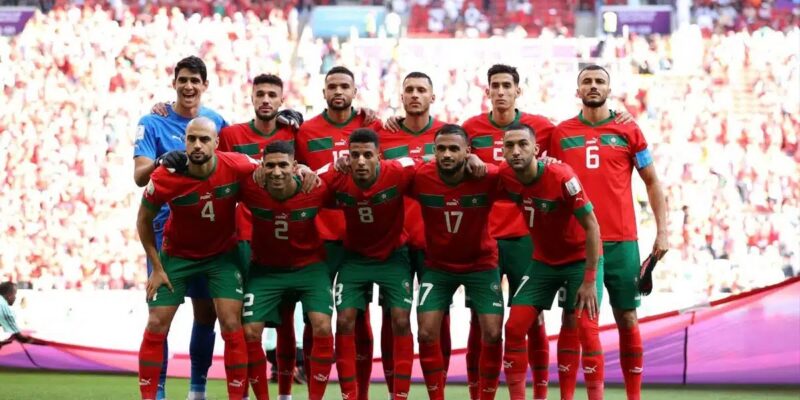
Morocco changed the future of African football in 2022. The Atlas Lions weren’t even considered a top footballing country on the African continent prior to this time, but they did something no other African country had achieved in World Cup history by reaching the semi-finals of the 2022 World Cup.
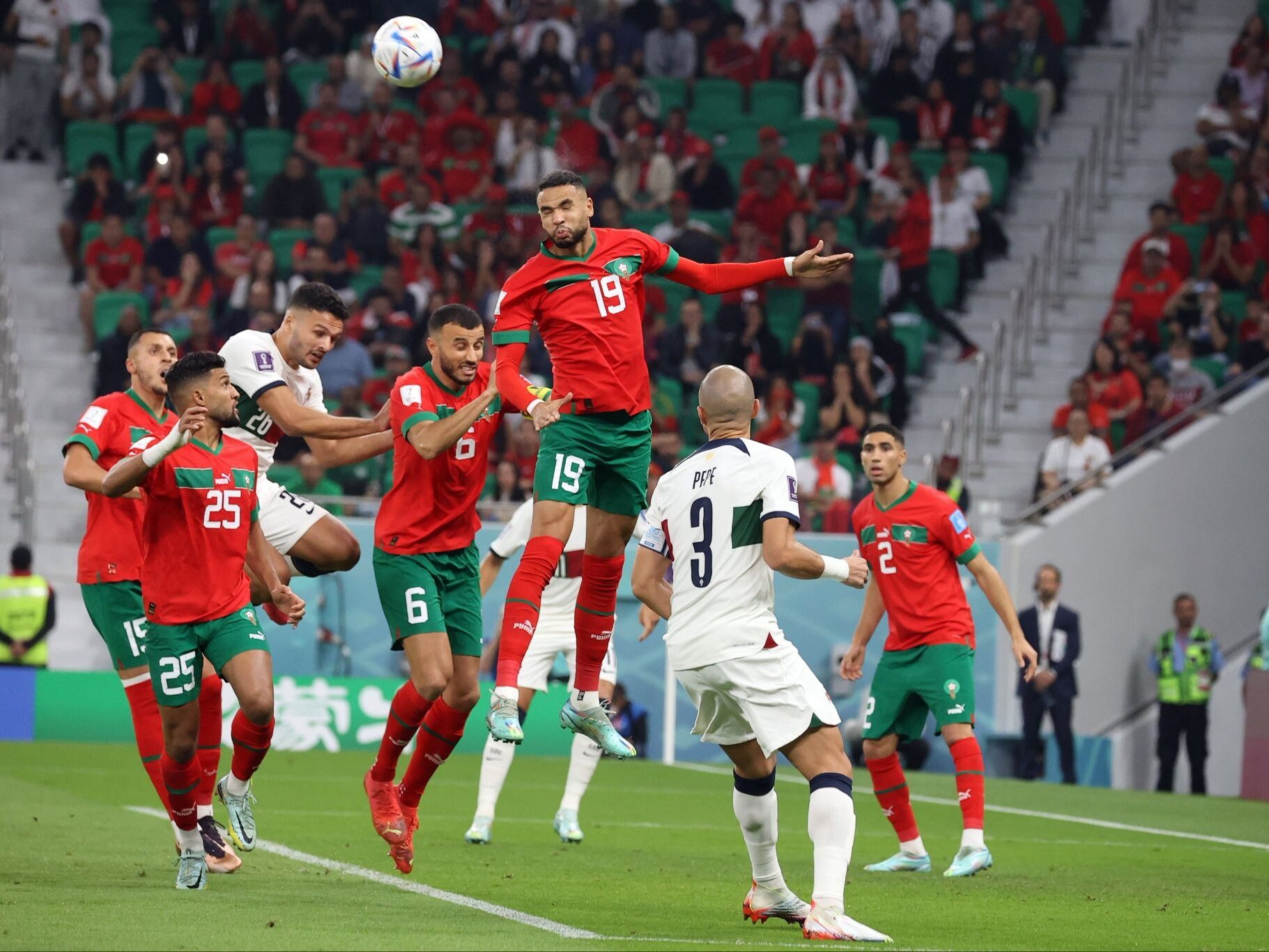
This is Africa’s highest finish at a World Cup, and Morocco achieved this by beating top footballing nations like Belgium, Spain and Portugal before France finally ended their historic run in the semi-finals.
But this is just the surface; the real story is how Morocco built a golden generation that hasn’t just changed African football but looks like Africa’s best shot at winning a World Cup trophy in the next decade.
Morocco Before Its Golden Generation
Before becoming the first African country to reach a World Cup semi-final, Morocco produced one of Africa’s firsts in World Cup history.
In 1970, they were the first African team to record a point at a World Cup tournament, following their 1-1 draw with Bulgaria. The Atlas Lions didn’t go past the group stage as they lost 2-1 to Germany and 3-0 to Peru in their opening two games.
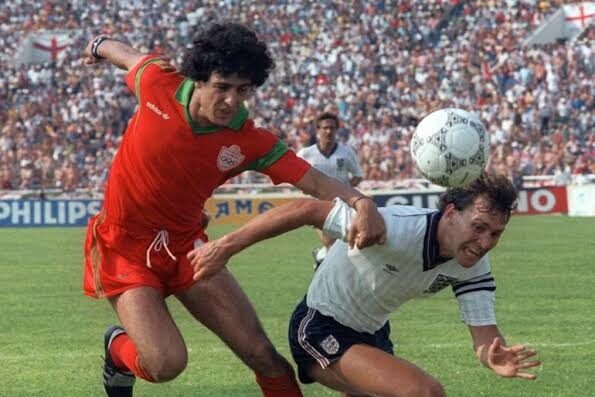
Six years after making World Cup history, Morocco became a part of African football folklore by winning the 1976 African Cup of Nations (AFCON). Impressively, the 1976 AFCON was Morocco’s second-ever appearance at the tournament.
The class of 1986, which followed the AFCON triumph, produced a semblance of a golden generation as they nearly established Morocco as a footballing powerhouse.
At the 1986 World Cup in Mexico, Morocco shocked the football world by becoming the first African team to win a World Cup group, following two draws against England and Poland, and a 3-1 win over Portugal. They were sadly eliminated in the round of 16 by Germany.
Fueled by their 1986 World Cup run, Morocco had high expectations when they hosted the 1988 AFCON. Those expectations never amounted to anything as Morocco finished fourth, losing to their North African rivals Algeria on penalties.
Instead of building on this, Morocco became even more disappointing. They missed the 1990 World Cup and the 1990 and 1994 AFCONs, and went out early everywhere else.
Rare Moment of Magic at AFCON 2004
In the early 2000s, Morocco found new life as they took AFCON 2004 by storm. They won their group after defeating Nigeria and Benin before drawing South Africa.
In the round of 16, they got their revenge against Algeria for the 1988 AFCON third-place playoffs, before dispatching Mali in the semis.
It felt like they would go all the way; they hadn’t reached the final since 1976. But that’s the thing about feelings; they’re fleeting. Their fellow North African counterparts, Tunisia, beat them 2-1 in the final.
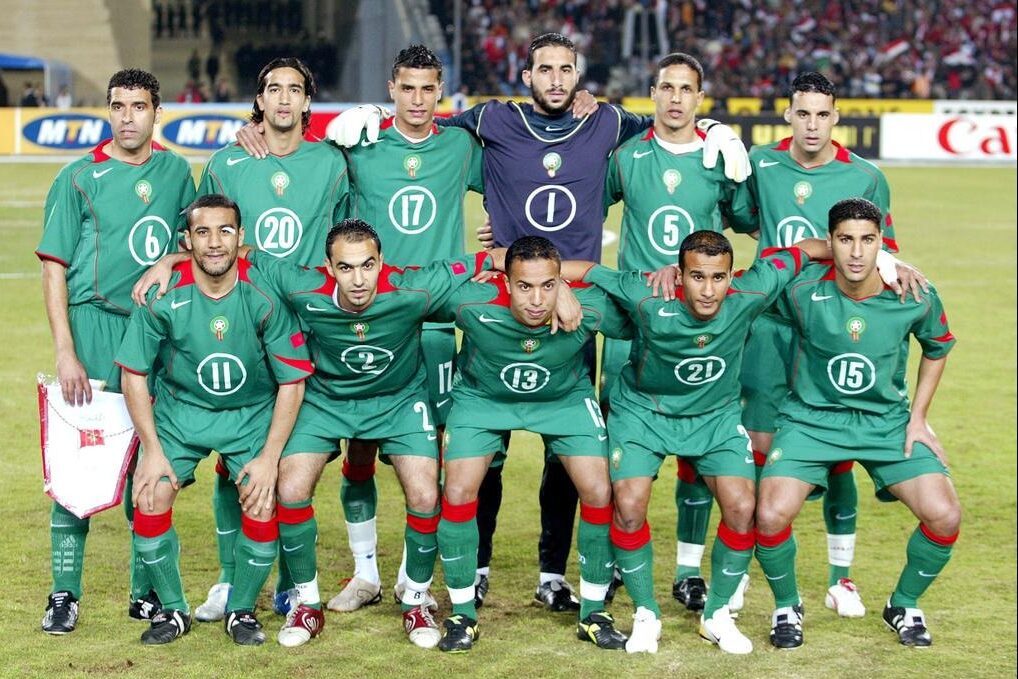
That final was the biggest highlight of Moroccan football in the early 21st century, as they either failed to qualify for any major competition or were eliminated in the group stage. Although they managed to reach the quarterfinals of AFCON 2017, it was still a reminder that the national team was far from its best.
Russia 2018: Laying The Blueprint For Its Golden Generation
Morocco’s qualification for the 2018 World Cup was its first in 20 years and, on all accounts, it felt like a new beginning.
The football gods, however, didn’t care about that as Morocco faced Iran and contenders Spain and Portugal in Group B.
Morocco had their work cut out for them, and in the opening game, they made things even harder as they lost 1-0 to Iran. Portugal then beat them 1-0 thanks to a lone goal by the inevitable Ronaldo.
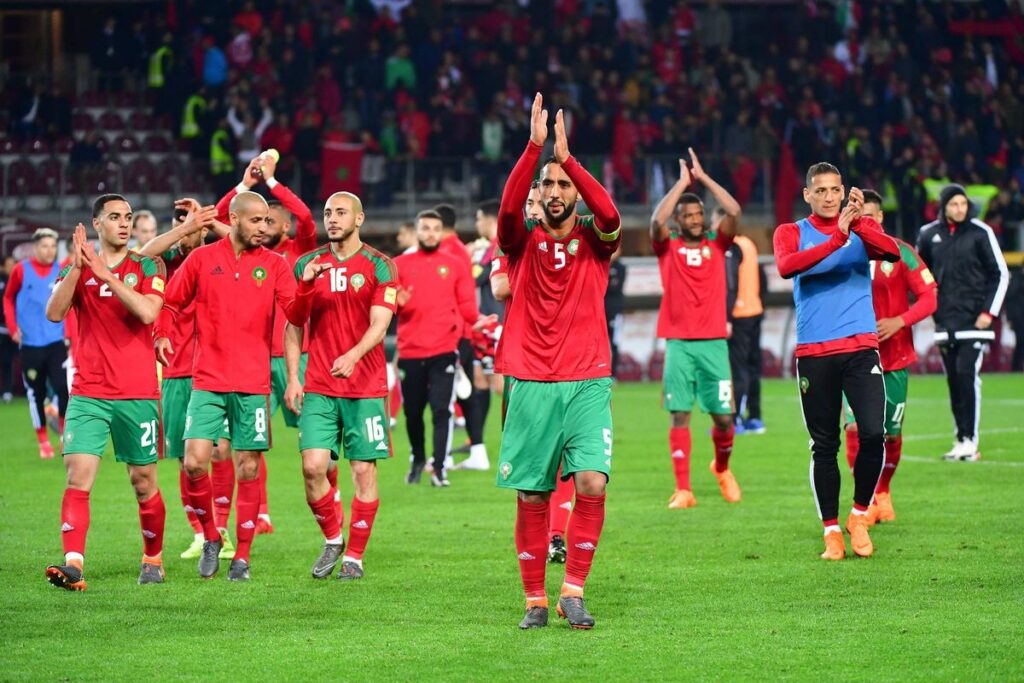
With two losses, Morocco were already out of the World Cup, but in their final game against Spain, they pulled off one of the upsets of the competition. Morocco took the lead twice, before Iago Aspas’ late equalizer denied them a famous victory.
They were already eliminated, but for long stretches of that game, Morocco looked like a team that belonged on the same pitch as one of the world’s best.
Although they lost, the 2018 World Cup changed something in the country’s footballing DNA. It was actually the beginning of its golden generation, with players like Hakimi and Ziyech forming the backbone of the team that shocked the world in 2022.
Achraf Hakimi
At 19, Hakimi arrived at the 2018 World Cup as a defensive prodigy. He was part of the Real Madrid squad that won the UEFA Champions League in 2018.
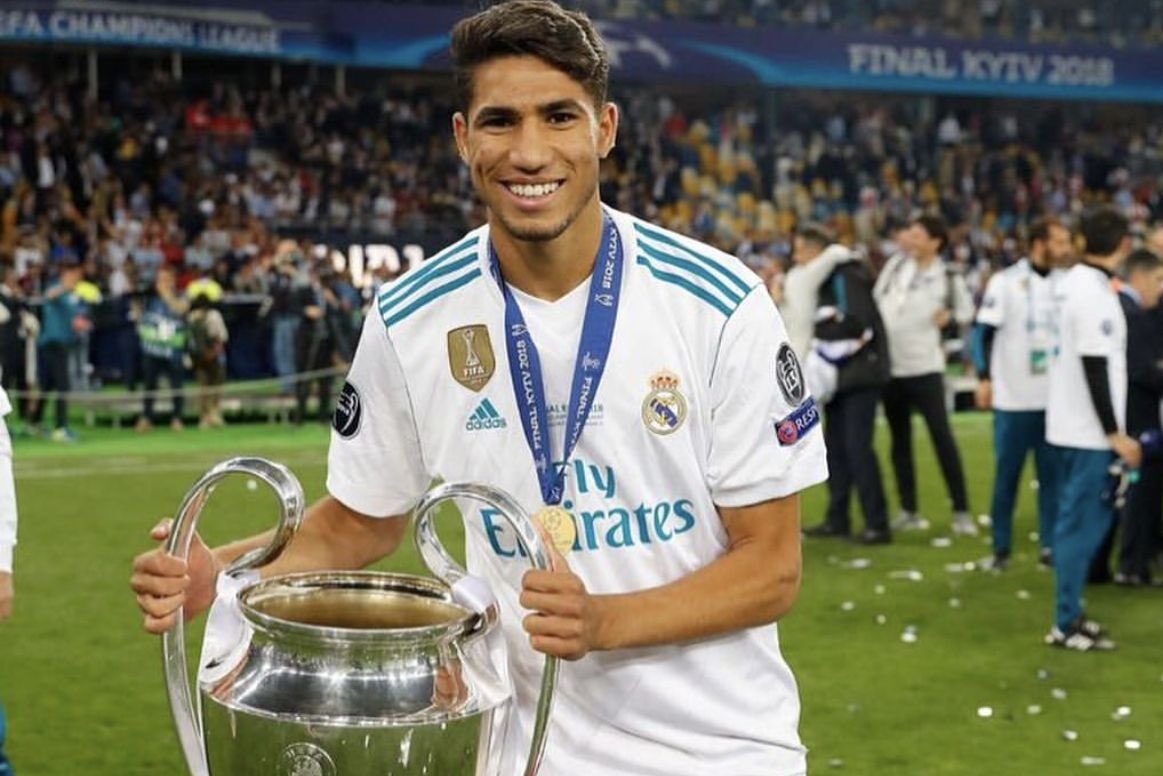
Although he started only a handful of matches for Real Madrid, Herve Renard trusted him in all the 2018 World Cup group stage games.
His performances also justified his loan move to Borussia Dortmund, where he developed into an elite talent, winning the CAF (Confederation of African Football) Young Player of the Year award.
Hakim Ziyech
Unlike Hakimi, Hakim Ziyech was already an established star when Morocco arrived in Russia. At 25, he had built his reputation at Ajax as one of the Netherlands’ most creative attacking players and entered the World Cup as Morocco’s main source of inspiration.

He started all three matches, but Russia was ultimately frustrating for both Ziyech and Morocco. Although he finished the tournament without a goal or assist as the Atlas Lions struggled to turn their attacking quality into results, the talent was obvious. He was key to Morocco’s historic run in 2022.
While the likes of Sofyan Amrabat, Yassine Bounou and Youssef En-Nesyri had limited opportunities to impact Morocco’s run in the 2018 World Cup, they were also making names for themselves in corners of Europe and by 2022, they became an important part of the national team.
Qatar 2022: When The World Discovered Morocco
If Russia 2018 was the beginning of Morocco’s new generation, Qatar 2022 was when that generation finally announced itself to the world.
Three months before the 2022 World Cup in Qatar, Morocco named Walid Regragui as head coach. To others, that may have been a really short time to change philosophies, but for Regragui, it was just enough.
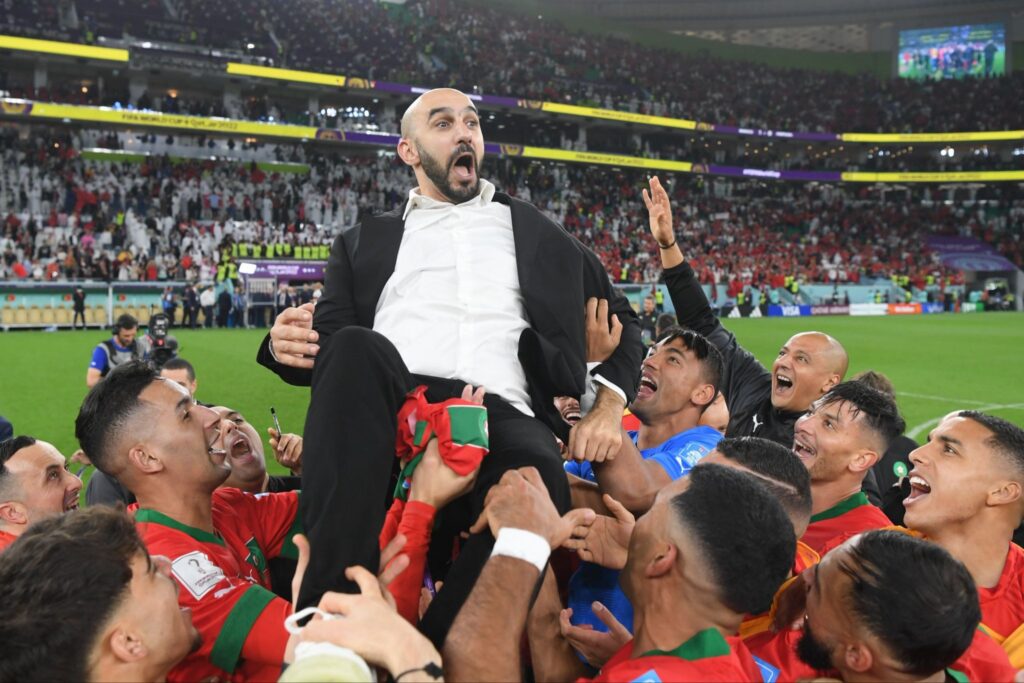
Compared to their 2018 campaign, Morocco had an even tougher group in 2022. They were grouped with Croatia’s golden generation, Belgium’s golden generation, and Canada.
It wasn’t going to be an easy task, but in the opening game against Croatia, Morocco showed a lot of promise, holding the Vatreni to a goalless draw.
Morocco found their rhythm in their second group game and stunned Belgium with a 2-0 victory, despite Belgium entering the 2022 World Cup as one of the tournament’s dark horses.
In the final group game against Canada, Morocco proved that their win against Belgium was no fluke as they won 2-1, topped the group and reached the knockout stages of the World Cup for the first time since 1986.
Too Strong For Spain and Portugal
The World Cup truly begins in the knockout stages, and Morocco faced their first major test against tournament favorites Spain. It was a different challenge for Morocco, but if they learned anything from playing two golden generations in the group stage, it’s the fact that they could hang with the best teams.
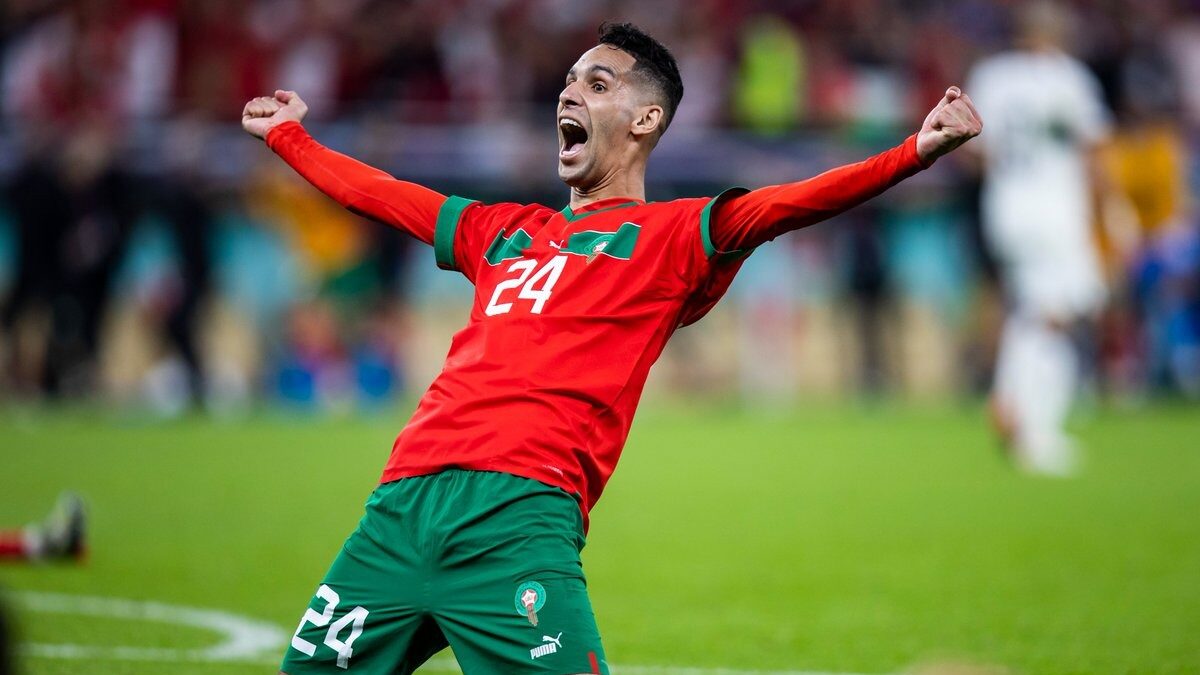
Morocco frustrated Spain, holding them to a 0-0 draw in regulation time and sending the game to penalties. Bounou, who was Spain’s pain in regulation time, decided the game in the penalty shootout. He saved two penalties from Sergio Busquets and Carlos Soler, while Pablo Sarabia also failed to convert. Morocco scored three of their own, with Hakimi finishing the shootout with a famous Panenka, to send Spain home.
In the quarter-finals, Morocco faced another major test. Ronaldo, in his eternal battle with Lionel Messi, was searching for the elusive World Cup trophy that would strengthen his claim for the GOAT debate. A quarter-final meant he was three steps away from holding the World Cup trophy.
Yes, Portugal did the unthinkable by benching Ronaldo and Rafael Leão, but an attack of Bruno Fernandes, Bernardo Silva, João Félix and Gonçalo Ramos was enough to strike fear into any opponent. Even the thought of Ronaldo coming on as a substitute would cripple many defenses, but not Morocco’s.
The Atlas Lions showed up as a pride and displayed the discipline of apex predators. They absorbed pressure and waited for their moment, which came in the 42nd minute when Youssef En-Nesyri rose above Portugal’s defense to head Morocco into the lead.
For Morocco, it was a dream; they were one half of football away from reaching the semi-finals of a World Cup. Moroccans were delirious; the Portuguese were in agony. Something needed to change.
Ronaldo came on as Portugal pushed for an equalizer, but even that didn’t faze Morocco. The defense was on top of its game, and Bounou wasn’t letting any shots go past him. Portugal tried everything, but it just wasn’t their day, and by full-time, Morocco had made history.
A Historic Night in Qatar
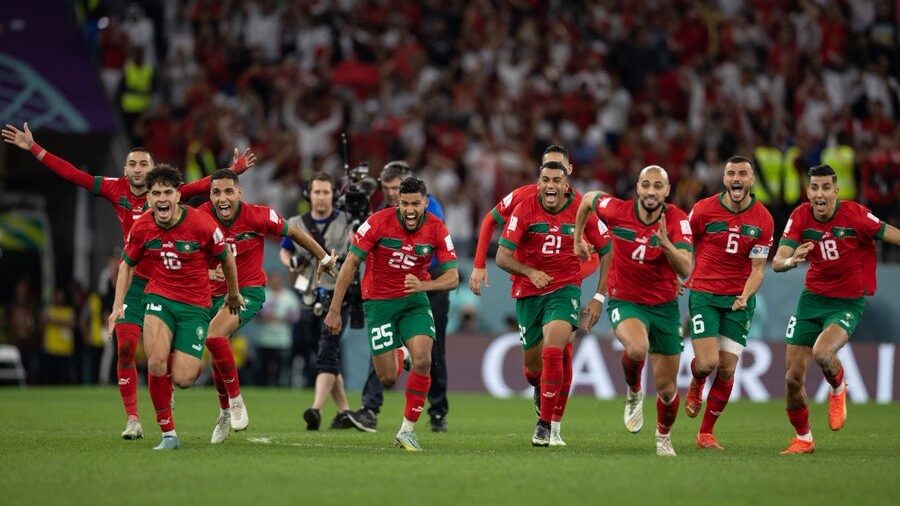
Not only did Morocco beat Spain and Portugal in successive knockout rounds, but they also became the first African and Arab nation to reach a World Cup semi-final. It was a huge moment for Morocco and Africa. However, the reception on the continent was bittersweet as Moroccans continued to reiterate on social media that they saw themselves as Arabs and not Africans.
This notion added a sour taste to the victory and would eventually be used to taunt the Moroccans in successive AFCON tournaments.
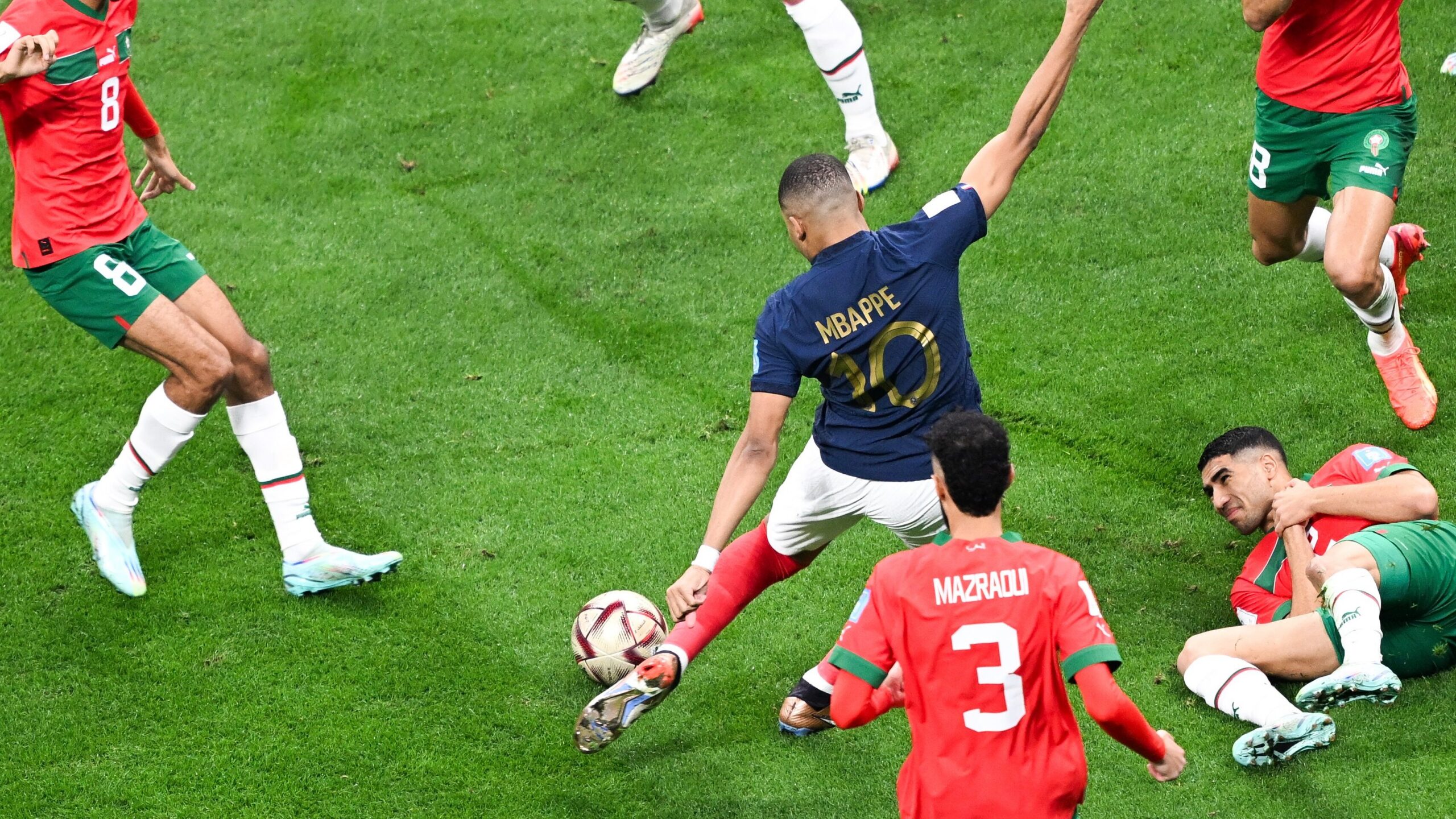
Morocco faced France in the semi-finals, and from kickoff, it was clear that there were different levels to the game. France scored in the fifth minute, through Theo Hernández, forcing Morocco to chase the game for the first time in the knockout stages.
Although Morocco had multiple chances to tie the game, France scored again in the 79th minute to assert their class and seal the game. Morocco faced Croatia in the third-place play-off, a repeat of the group stage game, and lost 2-1.
The result, however, didn’t diminish the fact that Morocco had changed African football forever. Their performance changed what an African football team could realistically dream of.
It also put the spotlight on young players like Azzedine Ounahi, who Luis Enrique praised after the win against Spain. Sofyan Amrabat earned a move to Manchester United after the World Cup, while Yassine Bounou, Hakim Ziyech and Achraf Hakimi earned more respect from football fans worldwide.
AFCON 2025: #TowelGate
After their historic run at the 2022 World Cup, Morocco were expected to turn heads on the continent. Instead, they were dumped out of AFCON 2023 by South Africa.
Disappointed by that, Morocco returned in AFCON 2025, this time as hosts and with a point to prove. They were clear favorites, and they kicked off in flying colors, beating Comoros 2-0 in the opening game.
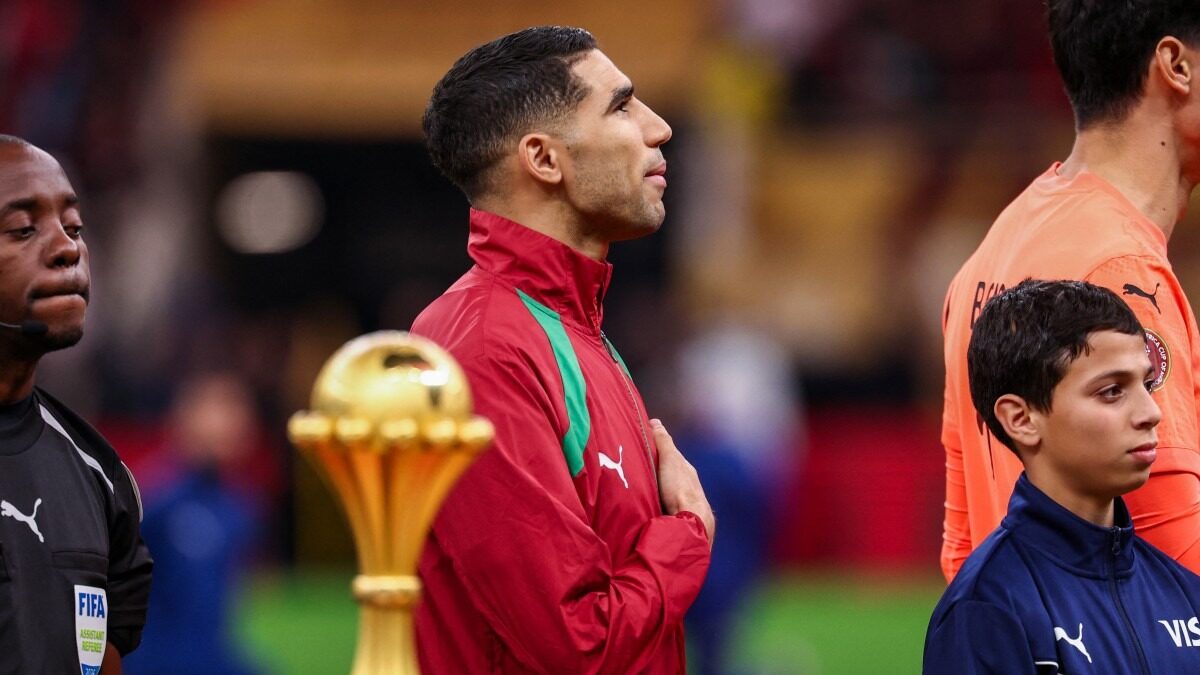
In their second game, they were held to a 1-1 draw by Mali, but in their third game, they turned on the afterburners to win 3-0 against Zambia. In the group stage, Brahim Diaz was already making a case for the player of the competition, scoring in all of Morocco’s group stage games.
He was the decider in the round of 16 as Morocco beat Tanzania 1-0 and was on the scoresheet again in the quarterfinal as they beat Cameroon 2-0. Morocco deservedly beat Cameroon, but the game started to sow seeds of rumors that Morocco were benefiting from controversial refereeing.
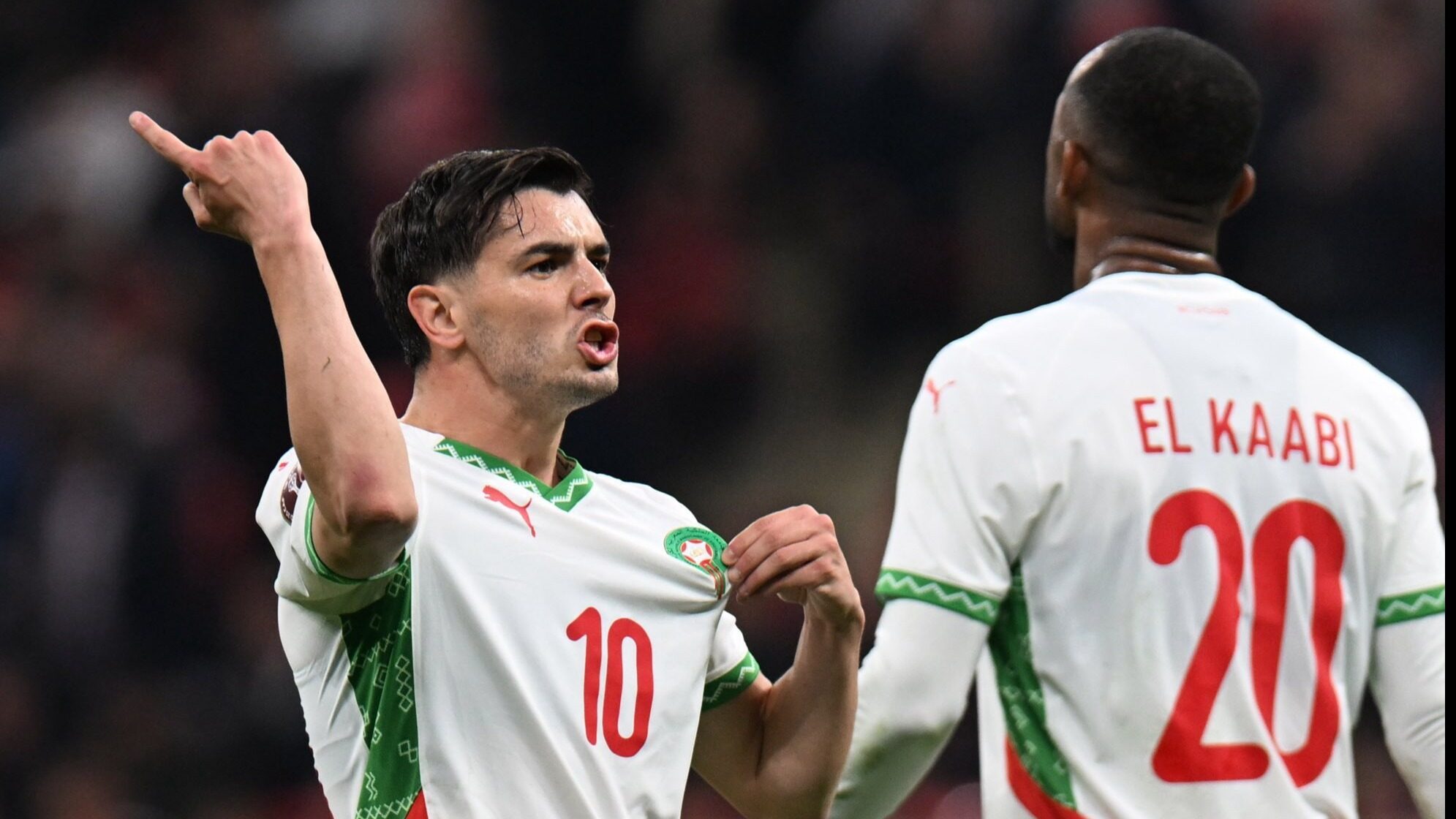
The semi-final against Nigeria only intensified the debate around officiating, but once again, Morocco were the better side on the pitch.
Nigeria had developed into one of the strongest sides in the tournament, but Morocco matched them physically and technically. The Atlas Lions stayed organized without the ball, threatened on the counter, and handled the pressure of facing a team of Nigeria’s quality.
The game ended 0-0 in regulation time, with Morocco winning 4-2 on penalties. Morocco reached the final, but the conversation around the tournament was no longer only about Morocco’s football. It was about whether the hosts were receiving help from the officials, setting up a continental hate watch as most of their African counterparts rooted for Senegal to win.
Facing Senegal in the Final
On paper, it was exactly the final African football deserved. The match was a fierce contest. Senegal started strongly, while Morocco gradually grew into the game. However, the referee controversy that plagued Morocco’s campaign from the semi-finals surfaced again.
There was the involvement of the ball boys in stealing the goalkeepers’ towels and even players of the Moroccan national team helping to carry out that dastardly act, but this was just the tip of the iceberg.
The referee canceled Senegal’s goal in the 90+3 minute for a foul in the build-up, only to award a very soft penalty at the other end five minutes later. The Senegalese coaching staff and players protested furiously, with coach Pape Thiaw instructing his team to leave the pitch.
The final, which was supposed to be a celebration of African football, turned into a disaster. There was chaos in the stands and a show of unprofessionalism on the pitch. After roughly 14 minutes, Senegal returned, and the penalty was taken.
Bizarrely, Diaz decided to do a panenka, and it fell into the grateful hands of Edouard Mendy. It felt like a dream; one moment, Morocco were so close to being African champions, and the next, their best player ruined it all. Even the hatewatchers couldn’t believe it.
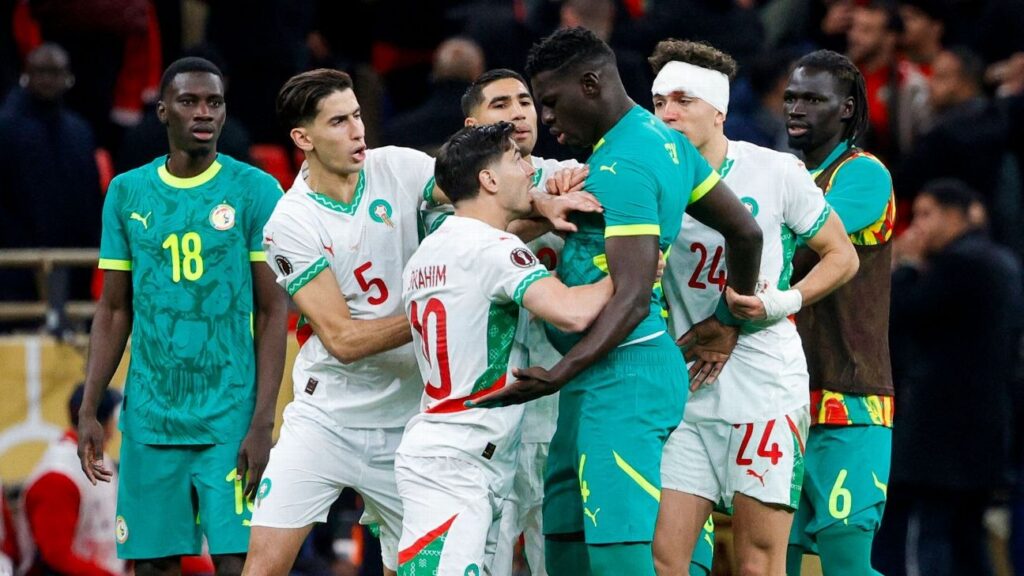
That penalty miss fueled Senegal even more. The game felt more alive, and four minutes into the first half of extra time, Brahim Díaz must’ve said a prayer, hoping he could turn the hands of time because, against all odds, Senegal scored the winning goal.
An absolute rocket from Pape Gueye zoomed past Bounou to make it 1-0. The crowd went wild. Bedlam, joy, and wild celebrations filled the air. By the final whistle, Senegal were crowned AFCON 2025 champions. But the drama didn’t end there.
Morocco went to CAF’s Disciplinary Board to protest the final. The board initially rejected Morocco’s protest. However, after Morocco appealed, the CAF Appeal Board overturned that decision on March 17, 2026. It ruled that Senegal had violated Articles 82 and 84 of the AFCON regulations and declared Senegal to have forfeited the final, recording the result as a 3-0 victory for Morocco.
USA 2026: A Tough Pill To Swallow
Putting the controversy of the AFCON 2025 behind them, Morocco qualified for the 2026 World Cup as Africa’s best chance of making it far in the tournament. Their new head coach Mohamed Ouahbi hinted at this in one of his pre-match conferences, saying that Morocco can exceed their success from 2022.
It didn’t even sound like an exaggeration. It was a fact. They reached the finals of AFCON 2025, were ranked 7th in the FIFA rankings, and 1st in Africa before the World Cup.
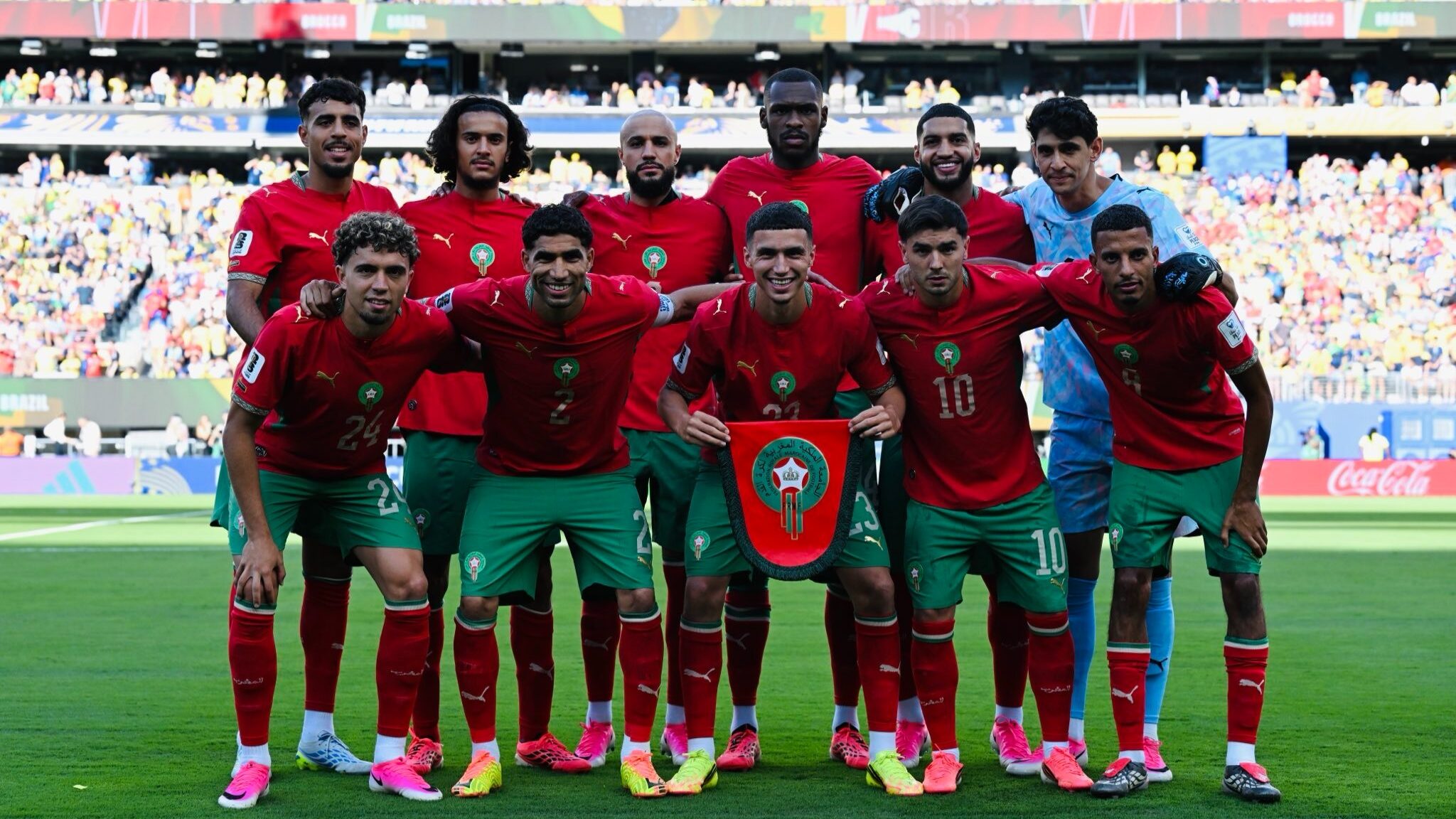
The team was also different. Hakimi was coming off another Champions League-winning campaign with Paris Saint-Germain. Bounou was a star at the 2025 FIFA Club World Cup and still one of the best in the world.
Brahim Díaz had become an increasingly important attacking figure at Real Madrid and was the best player at AFCON 2025, and players such as Noussair Mazraoui and Azzedine Ounahi provided experience from the last World Cup.
Morocco had begun replacing experience with youth, bringing players such as Ayyoub Bouaddi, Neil El Aynaoui and Ismael Saibari, who had an impressive individual 2025/26 season with PSV.
In the opening game against a Brazil side coached by Ancelotti, Morocco showed that they meant business.
The Atlas Lions drew Brazil 1-1, matching them for large periods and refusing to surrender control of the game. It was not the performance of an underdog hoping to survive against a giant. On another day, Morocco could’ve taken all three points.
In this game, Saibari announced himself with a goal, while 18-year-old Bouaddi played with composure that earned him admiration from Manchester City and other giants.
Morocco followed the Brazil draw by beating Scotland 1-0, with Saibari scoring after only two minutes. They then defeated Haiti 4-2, finishing the group stage unbeaten.
Cruising Through The Knockout Stages
The 2026 World Cup featured 48 teams and introduced a round of 32, the first of its kind at a World Cup tournament, where Morocco faced the Netherlands. It was a big test for Morocco as the Netherlands were assembling another golden generation, hoping to win silverware.
In an evenly matched contest, the game ended 1-1 after extra time before Morocco won 3-2 on penalties. Once again, Bounou stepped forward when his country needed him most, saving the Netherlands’ 4th penalty before Saibari converted the kick that sent Morocco through to the round of 16.
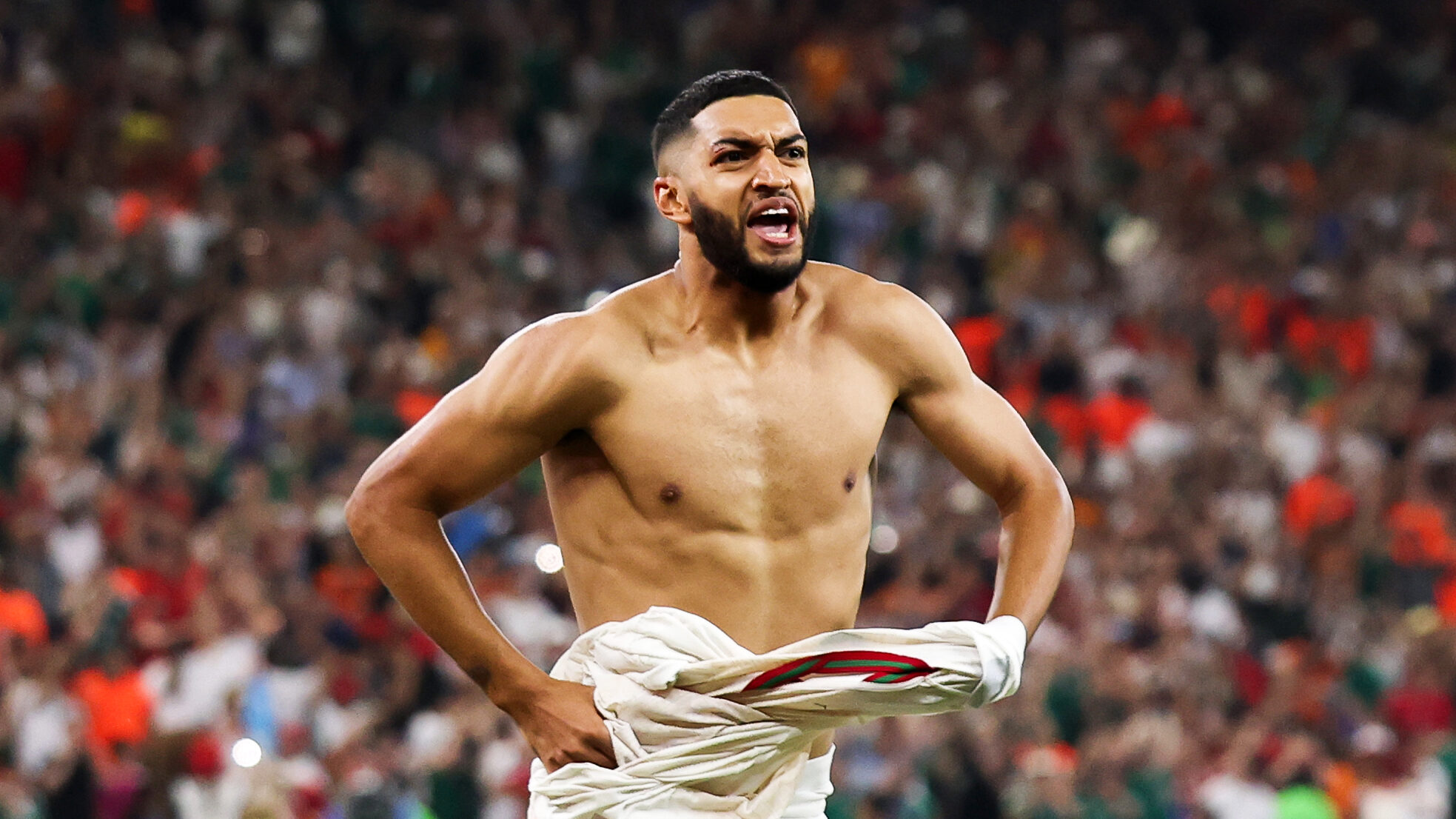
Morocco faced Canada in the round of 16 and produced a clinical knockout performance. Azzedine Ounahi scored twice before Soufiane Rahimi added a third, sending Morocco into the quarter-finals with a 3-0 victory. The win made Morocco the first African nation to reach the World Cup quarter-finals twice.
With Egypt crashing out to Argentina in the round of 16, Morocco was Africa’s last contingent at the World Cup, showing clearly that they were the continent’s best chance of making it far in the tournament.
France Again?
Four years after France had ended Morocco’s historic run in the semi-finals of the Qatar World Cup, the two sides met again. This time, in the quarter-finals.
Morocco weren’t the surprise package anymore, unlike in 2022; they entered the quarter-finals as one of the tournament’s strongest teams. They were also chasing a place in the semi-finals for the second consecutive World Cup.
Just like in 2022, France were a step above Morocco. Although Bounou denied Mbappé in the first half from the penalty spot, he only delayed the inevitable. The French dominated offensively with 21 shots (9 on target) compared to Morocco’s 5 (1 on target). France won 2-0, with Kylian Mbappé and Ousmane Dembélé scoring in the second half.
Morocco’s exit in the 2026 World Cup was a tough pill to swallow, but it was proof that 2022 wasn’t a fluke and that they had doubled down on the principles that got them there in the first place so that they could continuously produce results like these.
Morocco reached the World Cup quarter-finals at two consecutive tournaments, becoming the first African country to achieve that feat. They once again beat established football powerhouses and produced a fresh array of talents.
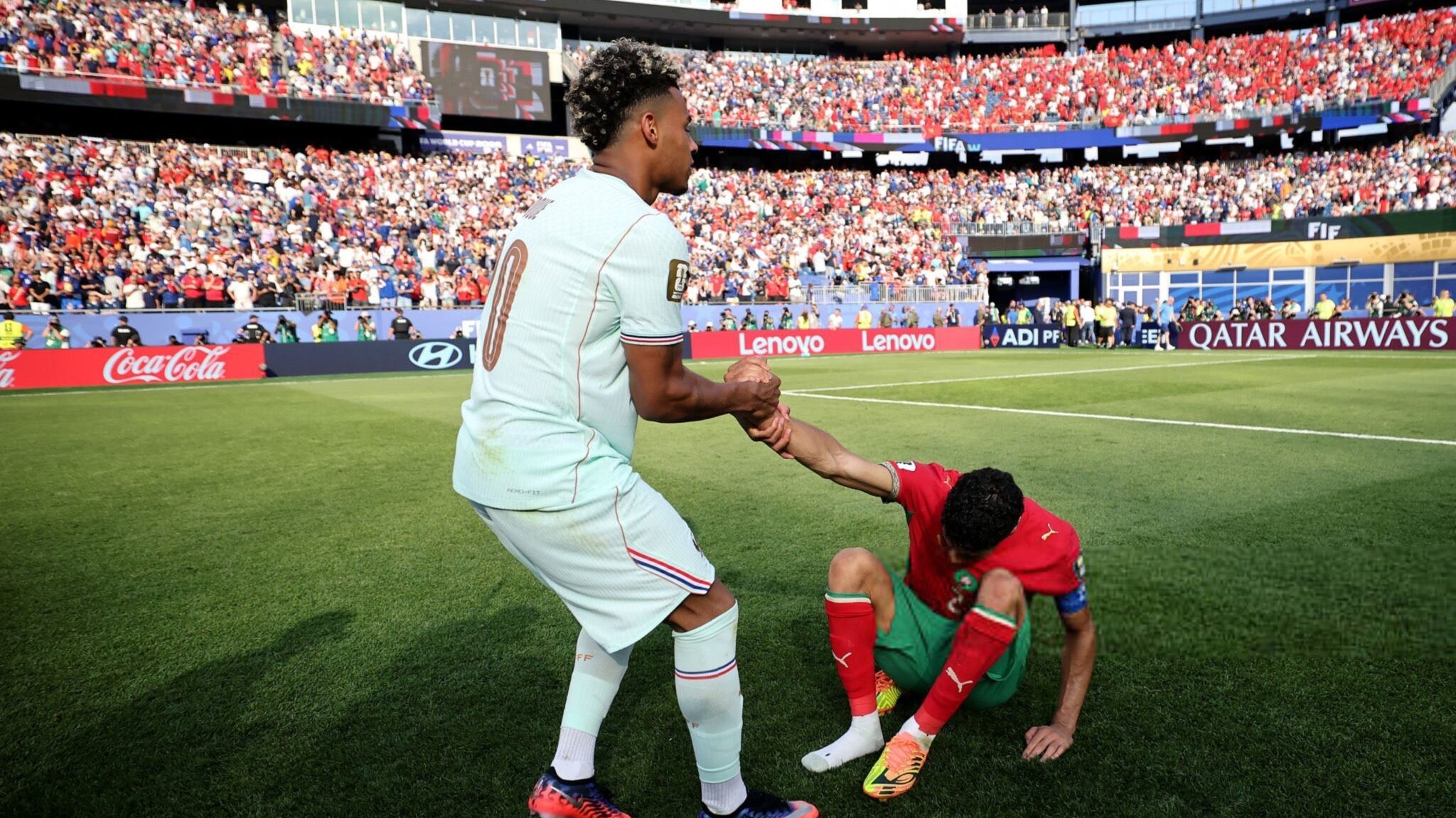
Saibari was their breakout star this time, and his performances at the World Cup earned him a move to Bayern Munich. Bouaddi was one of the most-talked-about midfielders at the World Cup, and at 18, he earned a €100 million move to Manchester City.
The golden generation may have failed to win the 2026 World Cup, but there are so many positives from the tournament that show that they are just getting started.
Morocco’s Golden Generation Is Just Getting Started
Morocco did not get the ending they wanted in 2026, but they have now proved that they can go deep at the World Cup and compete with the biggest nations.
Right now, the Atlas Lions are the only African national team that can boast of going into a competitive game against a top European side and walk out with a win, or go toe-to-toe with them.
The squad’s average age is 26, and there is so much more to expect from this team. Hakimi remains one of the world’s elite full-backs, while the likes of Saibari and Brahim Diaz are around their prime years.
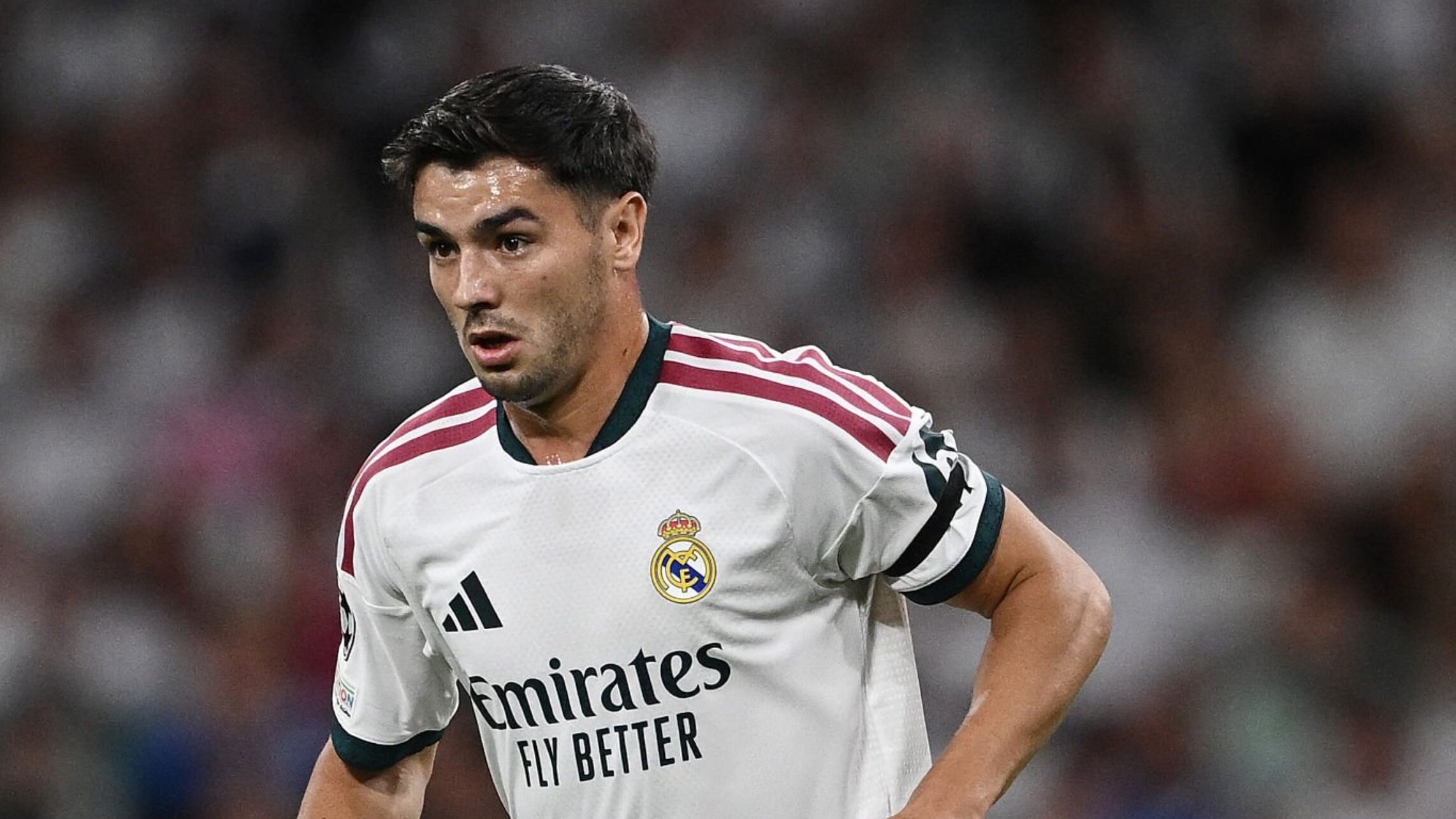
Players like Bouaddi, El Aynaoui and El Khannouss will herald the future of Moroccan football, and that is where things actually get interesting. Most of these current and emerging players play in the top leagues in Europe, meaning that ordinarily, they will get better with time.
Investing in The Next Generation
Interestingly, Morocco’s rise cannot be tied only to this group of players, because the Royal Moroccan Football Federation has also deliberately invested in the country’s footballing ecosystem. The logic behind this is very simple: a golden generation eventually ages; a footballing system can keep producing them.
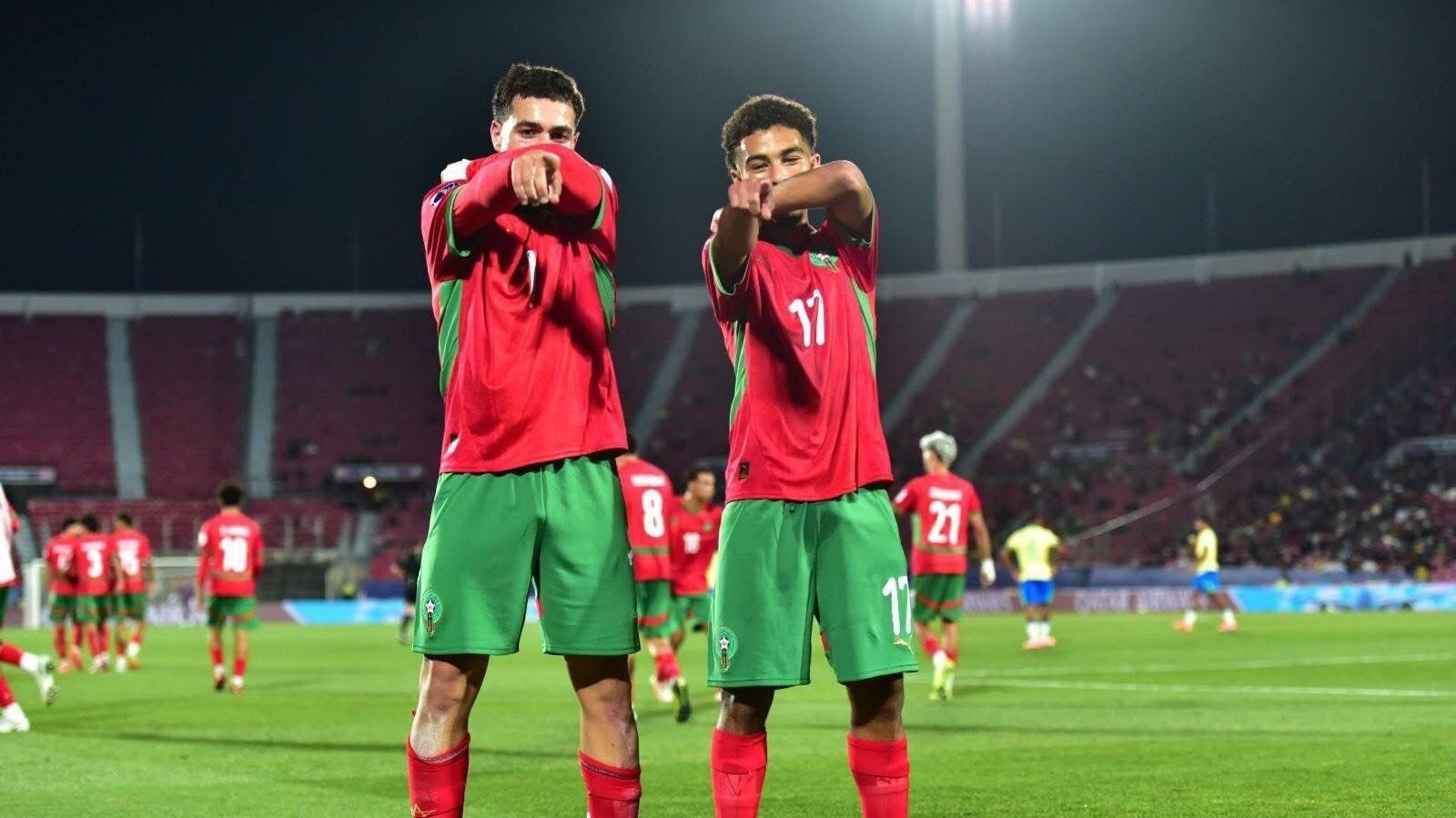
Morocco has developed some of the best football infrastructure on the continent. The AFCON 2025 and WAFCON 2024 and 2026 are proof of this. The country’s youth teams have increasingly become a force in African and global competitions, even creating a rivalry with Senegal at the youth level. The success of the senior team is therefore connected to this pipeline.
The country’s success at the youth level has given the national team the continuity that many African countries have struggled to maintain. The players replacing the old generation are not arriving from nowhere. They are coming through a system that has already taught them how Morocco wants to play and compete.
Honestly, Morocco is just getting started, and its golden generation still has better chapters ahead.
Who wrote this?

Wisdom Aghe is a creative whose passions include sports, video editing, writing and a little bit of design. With these skills and a curious mind, Wisdom takes interest in creating sports content and holding interesting sports conversations. He loves sports and it's his happy place. He spends his leisure time playing football, playing games and reading.