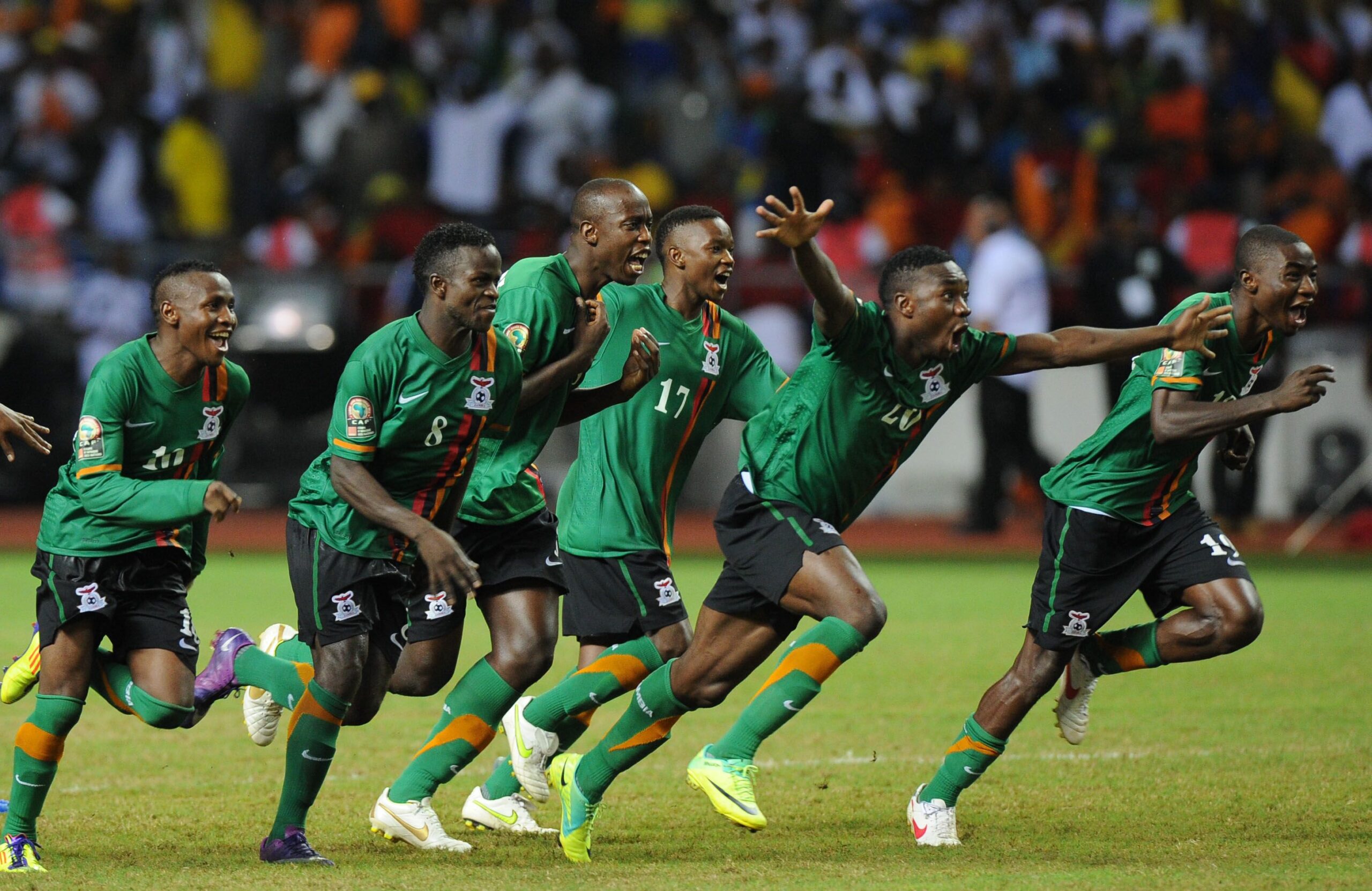





In 2006, Chile was an afterthought in South American football.
They weren’t among the top teams on the continent, and to make matters worse, they had missed the last two World Cups and crashed out of the last Copa America without even getting a single win.
A decade later, they were regarded as South American football legends. The stone that was looked down upon had now become a cornerstone. How did they do it? The power of a golden generation.

The Bielsa Blueprint That Started It All
Between the late 1990s and 2007, the Chile national team felt like a lost cause. The team was known for scandals and incessant drama, which always affected their football.
In 1994, they were banned from the World Cup qualifiers after a scandal in their game against Brazil. Later in 2007, six members of the Copa America squad were banned for indiscipline, and to make matters worse, they were thrashed 6-0 by Brazil in the quarter finals.
In the midst of this chaos, Nelson Acosta resigned from his position as head coach.
Chile needed to rebuild the team in order to compete at the highest level. Marcelo Bielsa took over the role of head coach, and his first task was to take this disjointed team to the 2010 World Cup.

Bielsa immediately wrote his name in Chilean football folklore by beating Argentina in a World Cup qualifier. It was the first time in a qualifying game that Chile had beaten Argentina.
Chile finished second by the end of the qualifiers and returned to the World Cup after a 12-year absence.
Going into the 2010 World Cup, Bielsa incorporated stars from the U-20 team that dazzled at the 2007 U-20 World Cup in Canada. Players like Alexis Sanchez, Arturo Vidal, Mauricio Isla, Francisco Isla, and Gary Medel stepped into the senior team.
Under Bielsa, this core of young players would form the backbone of a resilient team that would achieve heights yet beyond their wildest imaginations at the time.
Chile reached the round of 16 of the 2010 World Cup, where they were beaten 3-0 by Brazil. Bielsa stepped down in 2011, following through on his threat that if Jorge Segovia became president of the Chilean Football Federation, he would resign.
Although Segovia’s election was annulled, Bielsa didn’t change his decision.
The Rise of A Golden Generation
Sampaoli, a student of Bielsa, took over in 2012, and he immediately picked up from where Bielsa stopped.
The seeds that Bielsa planted immediately generated results under Sampaoli. Chile qualified for the 2014 World Cup in Brazil, making it back-to-back entries. They also shocked the World by eliminating defending champion Spain in the group stage to book their place in the round of 16, where they were once again beaten by Brazil, this time on penalties.

Given that stars like Sanchez, Bravo, and Vidal were becoming established names in Europe, it was clear that Chile was on the verge of greatness.
Haunting Argentina and Messi
In 2015, Chile hosted the Copa America, and they went on a historic run. They won their opening game 2-0 against Ecuador, which set the tone for the competition.
They beat defending champions Uruguay in the quarterfinals before dispatching Peru in the semis. In the final, they faced Argentina, and after a tense 0-0 draw, Chile became Copa America champions for the first time in their history after winning 4-1 on penalties.

The triumph in 2015 did little to overshadow the specks of indiscipline that lingered in the team. Members of the squad reportedly missed practice sessions for parties while Vidal got into a car crash under the influence of alcohol. Although he was detained by the police overnight, he was still retained in the team for the rest of the competition.
Hyped from their triumph in 2015, Chile returned for the Copa America Centenario with fire in their bones. They were more established and added some more players to their ranks.
If anyone had doubted their success in 2015, this was the perfect chance to prove that it was not a fluke. Facing familiar opposition, Chile cruised to the final once again.
Just like in 2015, they faced Messi and Argentina in the final, and with no respect for their opponent’s pedigree, Chile defeated Argentina to become Copa America champions once again.
In the space of two years, Chile went from being an afterthought to becoming legends of South American football. The likes of Sanchez, Vidal, Vargas, and Bravo will forever be talked about when the topic is Chilean football.

Chile also became Messi’s nightmare on the continental stage. After denying Messi Copa America success in back-to-back competitions, the Argentine briefly retired from international football.
Icons Of The Golden Generation
Chile’s golden generation played like a street gang that would give anything to win. They played a high-tempo football that made it difficult for opponents to catch their breath.
While the team played as a unit and was cohesive, there were a few names that stood out.
Leading from the back was Claudio Bravo. He was their captain through the period of success, and every time he was called upon, he showed up.

His penalty heroics in two consecutive finals vs Argentina are the stuff of legends. He also won the best goalkeeper in the Copa America back-to-back times, etching his name in the sands of history.
Gary Medel was a rock at the back for Chile. Nicknamed the pitbull, Medel was an enforcer who embodied the team’s strength and mentality.
Vidal, with his iconic mohawk, bossed the midfield. He ran from box to box, chasing opponents, scoring goals, and causing chaos all over the field.
Vargas and Sanchez led the attack, and they didn’t fail to deliver goals. Sanchez tops Chile’s all-time goalscorer list with 51 goals, while Vargas comes second with 45. Sanchez’s stone-cold Panenka penalty in the 2015 Copa América final broke a 99-year trophy drought.

Although he was a journeyman at the club level, Vargas was a goal machine when he donned Chile’s colors. In their Copa America-winning years, Vargas was the top goal scorer on both occasions. These icons and the rest of the team put Chile on the map. The golden generation achieved the impossible and made Chile an undeniable South American football legend.
Bowing Out With A Wimper
Chile’s golden generation set the bar so high that they were a victim of their own success.
After back-to-back success in 2015 and 2016, Chile couldn’t defend the title in 2019 and they were eliminated in the semifinals by Peru.

In 2021, it was a similar story as they were eliminated in the quarterfinals by Brazil.
The fall from grace became worse with each passing competition.
Chile failed to qualify for the 2018 and 2022 World Cups. In their qualifiers for the 2018 World Cup after beating Peru 4-3, they left a message saying “Respect! Through here passed America’s champion!”.
Guess what? Chile missed out on the 2018 World Cup in the last round of qualifiers because Peru and Colombia played out a draw. The draw guaranteed Colombia a spot at the World Cup and pushed Peru into the playoff spot, at Chile’s detriment.
In 2024, Chile exited the Copa America in the group stage. They exited the competition with two points and failed to score a single goal.
The ironic part of this decline is that their style of football made it difficult for them to progress. They played a very energetic type of football that needed players to have stamina and endurance. These are attributes you would mostly find in young players.
Chile failed to understand this. Instead of incorporating young players as they did in 2006, they continued with a team that aged with time. Some of these stars also began to fade from the limelight in Europe. The lack of top-level footballers has also affected the quality of players available for national team selection.
As the country looks for a new football dawn, Chile’s golden generation will still be remembered for their exploits between 2012 and 2016. And if not for anything, they made Lionel Messi cry twice at the Copa.
Who wrote this?

Wisdom Aghe is a creative whose passions include sports, video editing, writing and a little bit of design. With these skills and a curious mind, Wisdom takes interest in creating sports content and holding interesting sports conversations. He loves sports and it's his happy place. He spends his leisure time playing football, playing games and reading.