



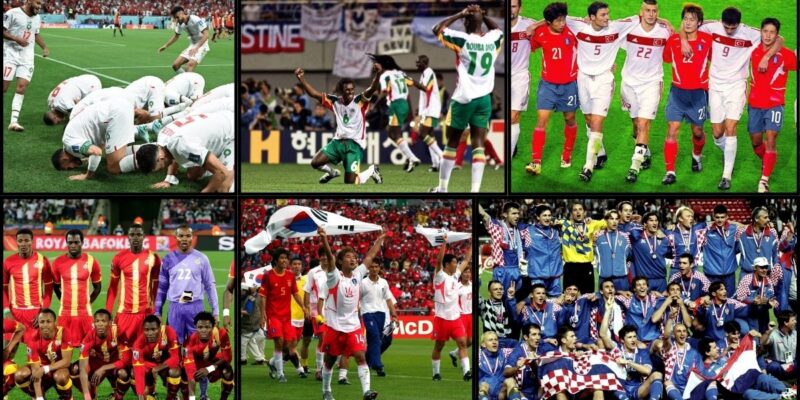
Every edition, there are two versions of the World Cup to see. There is the version of the giants and favourites performing as expected, getting close to the crown, and winning the whole tournament. These include nations like Brazil, Germany, Italy (if they qualify), Argentina, and Spain.
And then, there is another version of the World Cup, where Cape Verde, a country of 530,000 people, stays unbeaten within 90 minutes across 3 games. Then making it to the knockout stage, before shocking the world by taking defending champions Argentina all the way in an all-time 3-2 classic.
As euphoric as the moment was, this miraculous run by Cape Verde is not the greatest World Cup Cinderella story. So in honour of overperforming underdogs, here are the ten greatest surprise packages in the history of the World Cup.
Norway, 2026
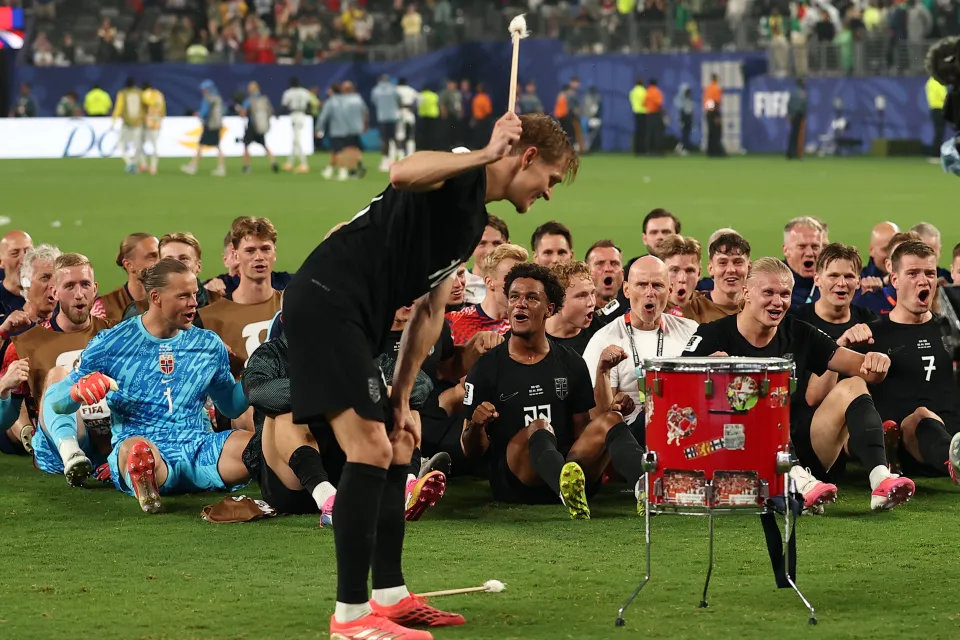
After a 28-year wait, Norway made a comeback to the greatest stage in international football, and they did it in style. Norway ran through Italy, Estonia, Israel, and Moldova in qualifying, winning all eight games and scoring 37 goals.
They were drawn alongside tournament favorites France, African giants Senegal, and Iraq in Group I. In their first match at the World Cup in over 10,000 days, Norway powered through Iraq 4-1, followed by a cagey 3-2 win over Senegal to secure passage to the knockout stages.
The final group game against France was treated as a dead rubber by head coach Ståle Solbakken, who made ten changes, and they were heavily beaten 4-1.
In the Round of 32, they clashed against another African side, as they beat Côte d’Ivoire 2-1 thanks to goals from Antonio Nusa and Erling Haaland, either side of Amad Diallo’s equaliser. Haaland was again instrumental in the Round of 16, scoring both goals in a confident 2-0 win over Brazil.
For the first time, Norway were in the quarterfinal of the World Cup, and England stood between them and further history. Andreas Schjelderup opened the scoring inside 36 minutes before Jude Bellingham equalized on the stroke of halftime. Both teams failed to find a winner in 90 minutes, but three minutes into extra time, Bellingham scored again, sending England through and Norway rowing back home.
North Korea, 1966
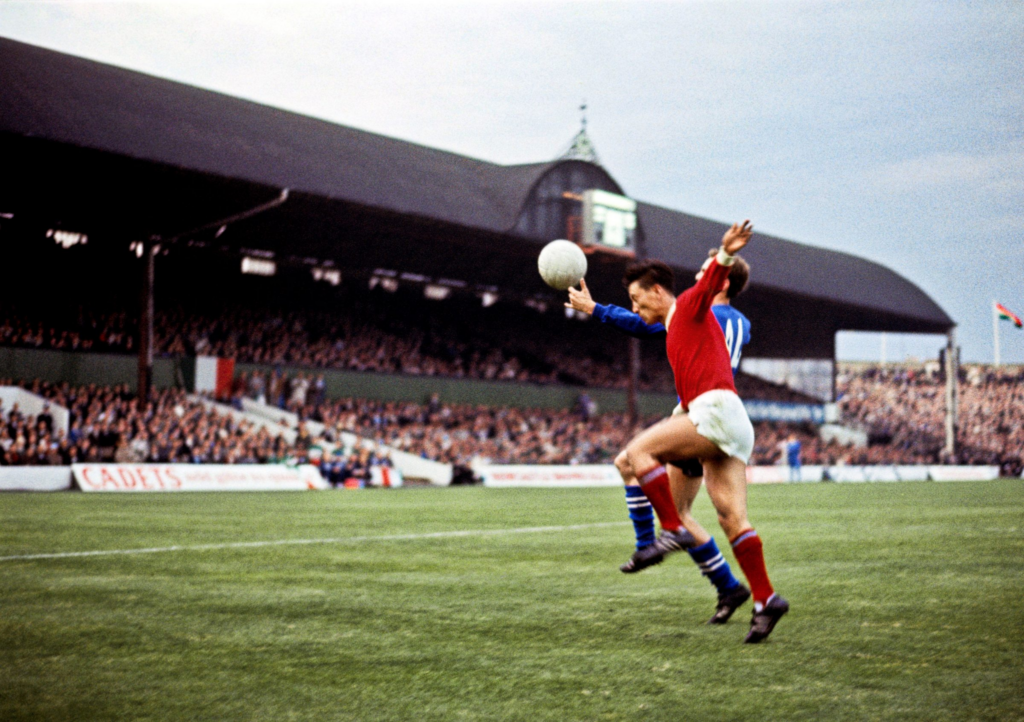
Everything about North Korea at the 1966 World Cup in England feels like a novel that never quite got its ending. They weren’t even supposed to be at the tournament. South Africa was suspended for apartheid policies, while South Korea withdrew for logistical reasons. So, the pariah country from the North had to take its place to make up the numbers.
But they refused just to take part and came out swinging. North Korea defeated Australia 9-2 in a playoff to secure their spot at the World Cup and was placed in a tough group alongside the Soviet Union, Chile, and Italy. After losing 3-0 to the Soviet Union and holding Chile to a 1-1 draw, elimination loomed.
In the third group game against tournament favourites Italy, Pak Doo-ik scored in the 42nd minute to secure a famous 1-0 win. The result eliminated Italy, and North Korea progressed.
In the quarterfinal, they faced Portugal and raced to a 3-0 lead after 25 minutes following goals from Pak Seung-zin, Li Dong-woon, and Yang Seung-kook. However, Eusébio scored four goals to help Portugal to a 5-3 win.
The 2002 documentary, The Game of Their Lives, tracked down those players decades later. Men who had played in front of the whole world and then returned to a country where that story could never fully be told. That detail alone earns them a place on any list like this.
Ghana, 2010
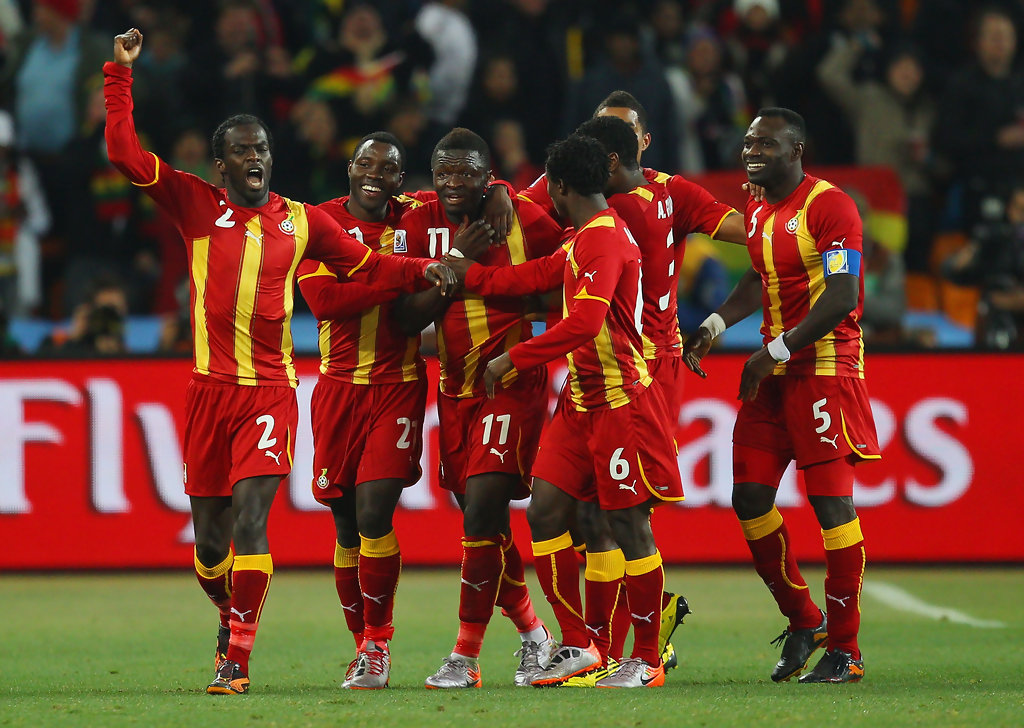
In 2010, the World Cup was hosted on African soil for the first time, and the whole continent had skin in the game.
Ghana, led by manager Milovan Rajevac, progressed to the knockout stage after Asamoah Gyan’s penalty secured a 1-0 win over Serbia and a 1-1 draw with Australia. A 1-0 loss to Germany meant they finished 2nd in Group D.
In the Round of 16, Kevin Prince Boateng put Ghana 1-0 up against the USA, only for Landon Donovan to equalise from the spot after the hour mark. Three minutes into extra time, Asamoah Gyan popped up with the winning goal. Ghana was in the last 8 and was the last African nation standing.
Uruguay stood between Ghana and history — the first African nation to reach the World Cup semi-finals. And when Sulley Muntari scored from 40 yards before halftime, the dream had never been closer. Ten minutes into the second half, Diego Forlán equalised for the South Americans, and into extra time the game went.
Late in extra time, Luis Suárez channelled his inner Muslera on the goalline to stop a goal-bound header from Stephen Appiah. He was sent off, and a penalty was awarded to Ghana. Up stepped Gyan, who had scored two important penalties in the group stage, to make African history. His shot hit the crossbar and shattered the hopes of millions.
Ghana lost on penalties 4-2, and the dream was over. A story that still stings almost two decades later, and a continent that still despises Suárez to this day.
Bulgaria, 1994
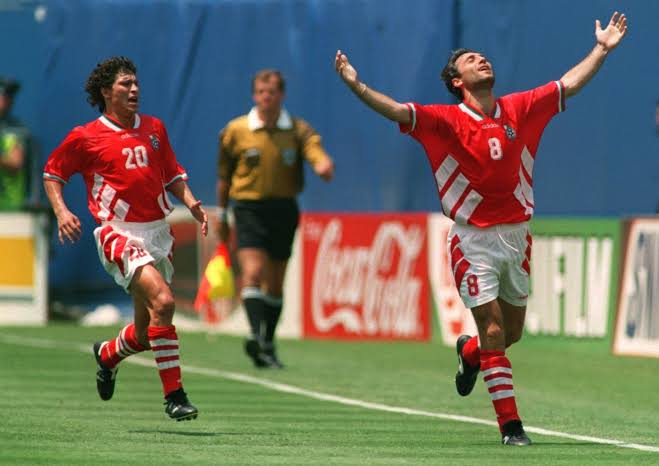
By the 1994 World Cup, Bulgaria was a known name at the Mundial. Since their debut in 1962, they have only failed to qualify in 1978, 1982, and 1990. When they returned for the tournament in the United States of America, expectations were low.
Bulgaria had never won a game at the World Cup, and when they lost 3-0 to debutants Nigeria in their opening fixture, no one was surprised. But Bulgaria had Hristo Stoichkov, the reigning Ballon d’Or winner with Barcelona, and he stepped up with two goals in a 4-0 win over Greece.
He was again instrumental as Bulgaria shocked Argentina with a 2-0 win that meant Argentina surrendered the group’s top spot to Nigeria and finished below Bulgaria. In the Round of 16, goalkeeper Borislav Mihailov was the hero as Bulgaria knocked out Mexico on penalties after a 1-1 draw.
Perhaps the biggest upset and victory in Bulgaria’s footballing history happened in the quarterfinal when they eliminated defending champions Germany with a comeback 2-1 win. Their dream run was ended by Roberto Baggio in the semi-final, and they finished fourth after losing heavily to Sweden in the 3rd place match.
Senegal, 2002
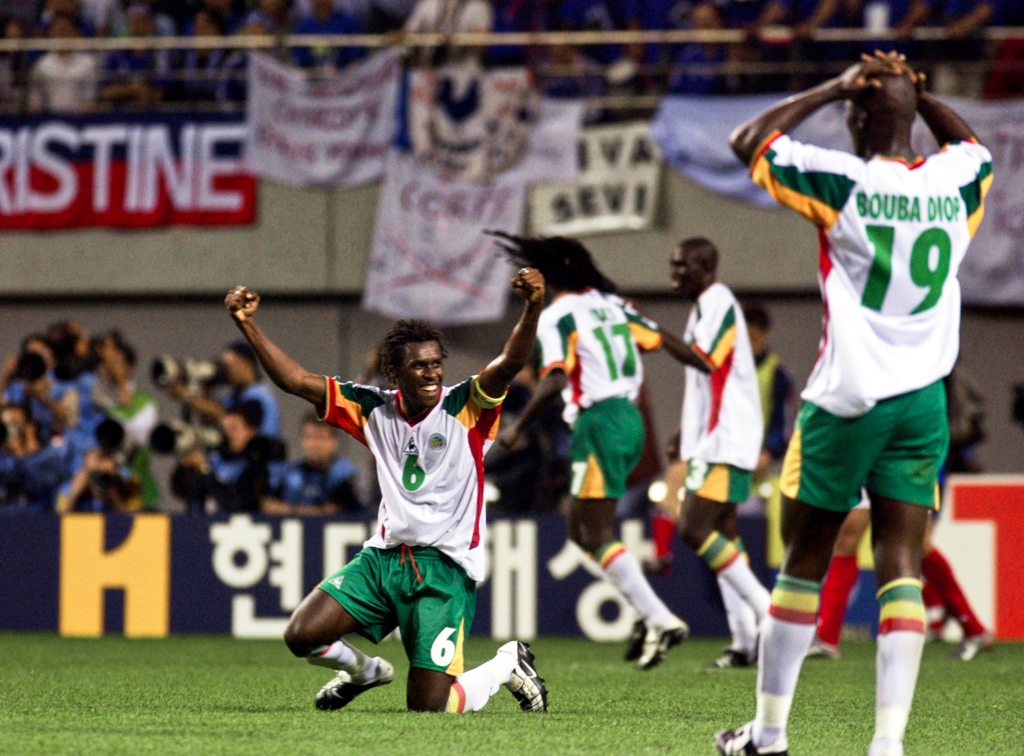
Senegal qualified for the World Cup for the first time in 2002 and was immediately handed a daunting task. In their first-ever World Cup, the defending champions and tournament favourites, France, were their opponents.
The Teranga Lions stunned the champions and the world with a 1-0 victory, and Papa Bouba Diop’s celebration, sliding across the pitch while his teammates threw his shirt around in a circle, has since become one of the most joyful images in World Cup history.
But they were not done. Salif Diao equalised against Denmark to secure a 1-1 draw, and despite blowing a three-goal lead against Uruguay, a 3-3 draw was enough to see them finish second in the group.
Henrik Larsson put Sweden 1-0 up in the 11th minute against Senegal in the Round of 16, but Henri Camara equalised in the 37th minute and scored a golden goal in the 104th minute.
He who lives by the sword shall by it be slain, as it was a golden goal that sent Senegal home. Turkey’s İlhan Mansız popped up with the winning goal in the quarterfinal, four minutes into extra time.
Turkey, 2002
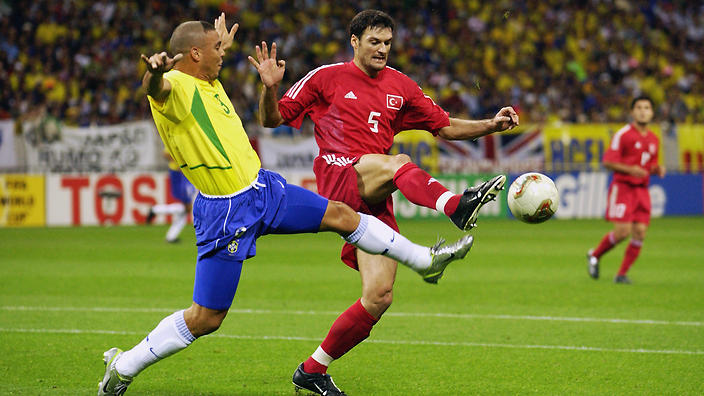
In 2002, Turkey was making their second World Cup appearance, their first since 1958. They qualified after thrashing Austria 6-0 in the UEFA playoffs, but that did not cast any spotlight on Turkey.
Turkey advanced to the knockout stage with 4 points after suffering a narrow 2-1 defeat to Brazil, drawing 1-1 with Costa Rica, and defeating China 3-0. Ümit Davala scored an early goal that proved enough to knock out co-hosts Japan in the Round of 16.
Another lone goal, this time a golden goal, pushed Turkey past Senegal to the semi-finals, where Michael Ballack scored in the 75th minute to send Germany to the final. But Turkey’s story was not done.
In the 3rd place match against the second tournament hosts, South Korea, a piece of history that still stands to this day was made.
South Korea kicked off the match by passing the ball backwards to a defender who attempted to pass to the goalkeeper. But Mansız aggressively pressed, tackled the ball away, and teed up his captain, Hakan Şükür, who took a composed touch and slotted the ball home.
All this happened in 10.8 seconds, making it the fastest goal scored at a FIFA World Cup.
Cameroon, 1990
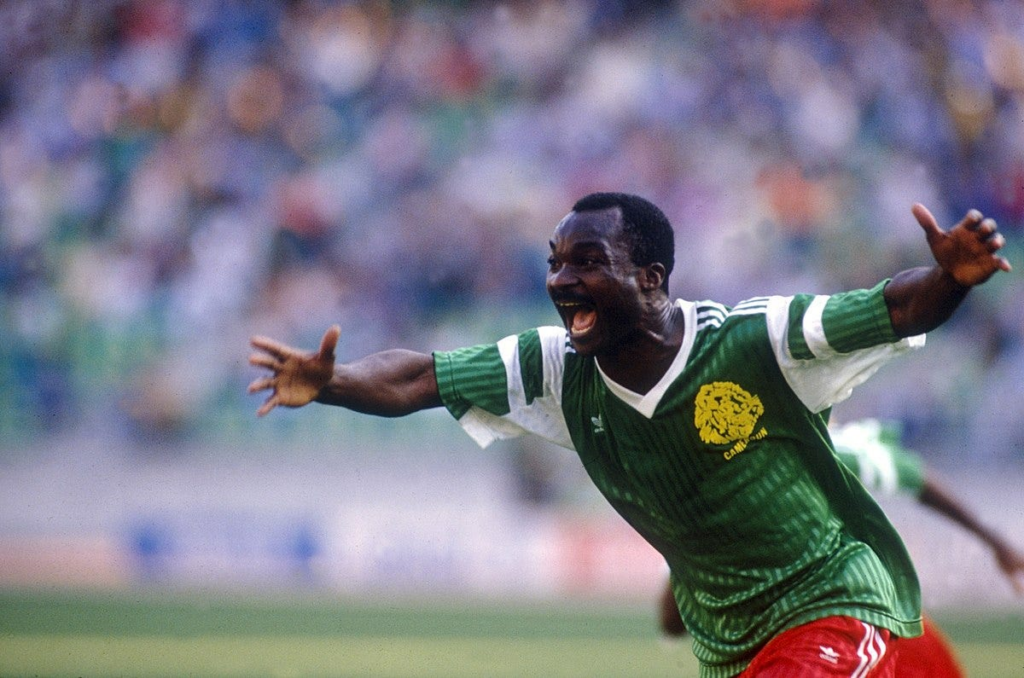
Cameroon was the first African nation to reach the quarterfinal of the World Cup, but that is not even the most intriguing part of their story at the 1990 World Cup in Italy.
At 38 years old, Roger Milla came out of retirement after the president, Paul Biya, had personally requested that he be included in the squad. It proved to be a divine decision.
Cameroon stunned defending champions Argentina, 1-0, in the first game thanks to François Omam-Biyik’s gravity-defying header. They qualified, top of the group, with a game to spare when Milla came off the bench to bag a 10-minute brace in a 2-1 win over Romania.
Milla was again instrumental for Cameroon in the Round of 16, scoring both goals in a 2-1 extra-time win over Colombia. Their incredible run was ultimately ended by England, who won 3-2 after extra time, thanks to Gary Lineker scoring two penalties.
Cameroon made African history, and Roger Milla stole the show with his goals and iconic corner flag dance.
Croatia, 1998
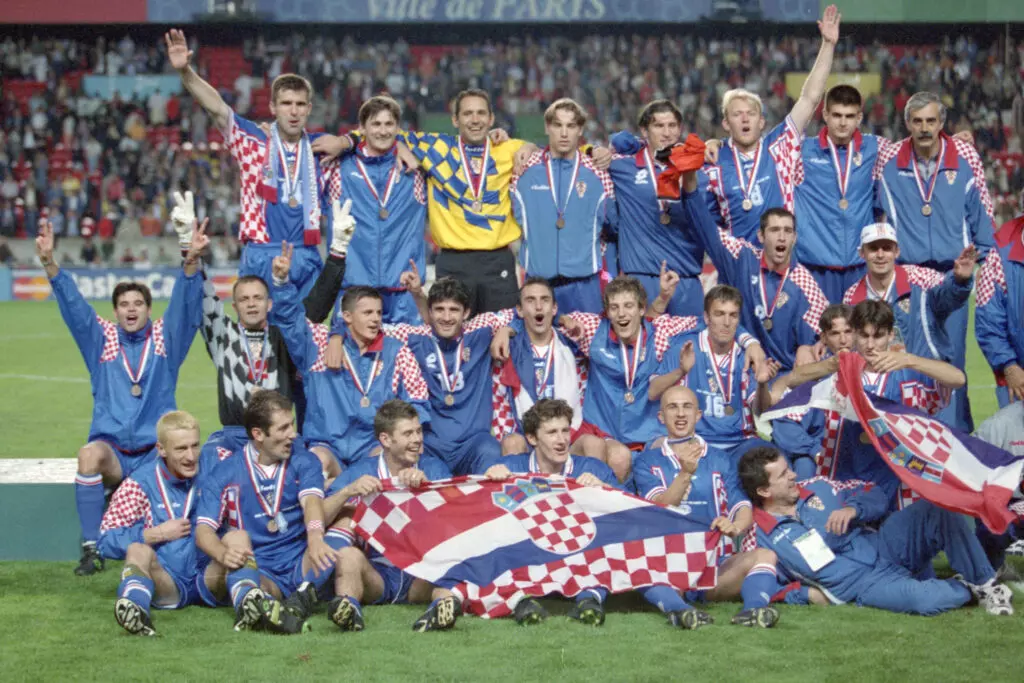
Croatia secured its independence from Yugoslavia in 1991, and seven years later, it qualified for its first World Cup appearance. No one could have predicted that they would finish third in France.
Croatia opened up their World Cup account with victories over Jamaica and Japan before Argentina edged them 1-0 to secure first place in Group H. Real Madrid’s Davor Šuker, leading the line for the Croats, scored from the penalty spot before halftime against Romania in the Round of 16 to secure a 1-0 win.
It was in the quarterfinal against the might of Germany that Croatia fully announced their presence at the World Cup. Robert Jarni put Croatia 1 goal up on the stroke of halftime, and late in the second half, Goran Vlaović and Šuker scored within seven minutes. The scoreline read Germany 0-3 Croatia, a result that made headlines for days.
Croatia were dreaming of a first World Cup final, but that dream lasted only seconds in the semi-final against hosts France. Right at the start of the second half, Šuker popped up with the opening goal, but seconds later, Lillian Thuram equalised for the French. Thuram, then, scored what would be the winner in the 69th minute to send the hosts to the final.
Croatia bounced back excellently in the third-place match, beating the Netherlands 2-1. Šuker won the Golden Boot with his 6 goals. Twenty years later, a new golden generation came within a win of becoming World champions.
South Korea, 2002
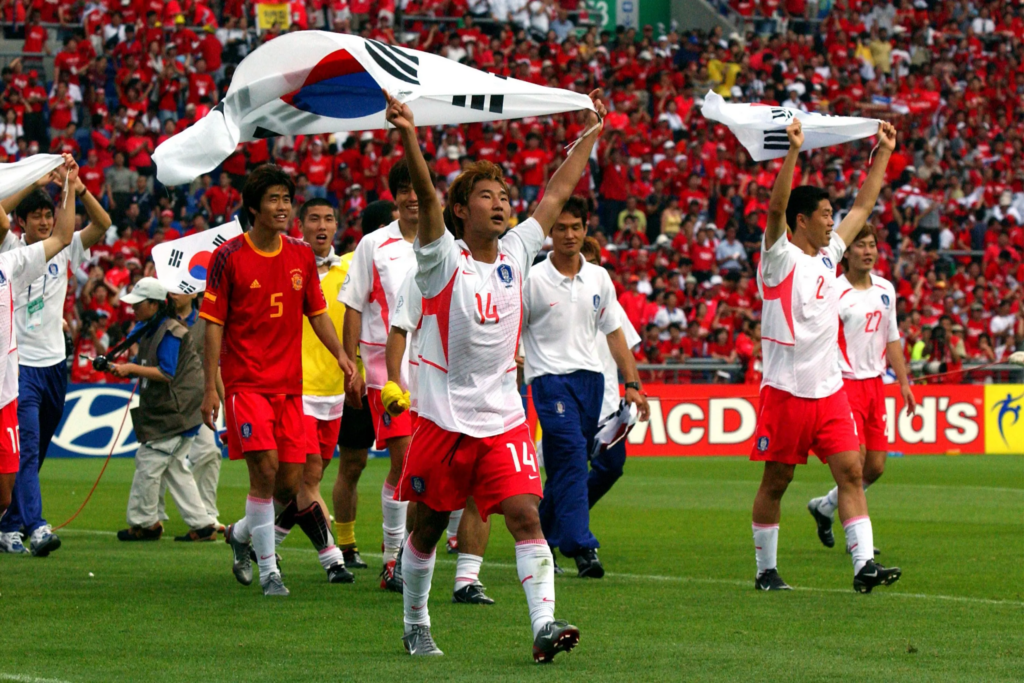
The 2002 FIFA World Cup, co-hosted by South Korea and Japan, was a landmark edition. It was the first World Cup held on Asian soil, and it saw the fairytale runs of Senegal and Turkey. And an incredible run of South Korea.
Led by Guus Hiddink, the Taeguk Warriors topped the group after an opening 2-0 win over Poland, a 1-1 draw with the United States, and a controversial 1-0 win over 9-man Portugal that sent them home.
Next up for the South Koreans was an Italian team flooded with world-class stars like Francesco Totti, Alessandro Del Piero, Paolo Maldini, Christian Vieri, Fabio Cannavaro, and Gianluigi Buffon. The game itself was frantic, chaotic, and controversial.
Buffon saved an Ahn Jung-hwan penalty five minutes into the game before Vieri scored from a corner kick. In the 88th minute, Seol Ki-hyeon equalised to send the game into extra time. Totti was sent off in the 103rd minute for ‘diving,’ and a golden goal was scored by Jung-hwan minutes away from penalties.
There were more controversial moments in the quarterfinal against Spain, when Rubén Baraja’s goal in the second half was ruled out for an ‘offensive foul’ in the buildup.
In extra time, Fernando Morientes scored from a Baraja cross in what would have been the golden goal, but the linesman raised his flag, indicating the ball went out of play before the cross went in. Several TV replays suggest otherwise to date.
South Korea progressed on penalties and were beaten by a Michael Ballack goal in the semi-final before losing heavily to Turkey in the third-place match. And while there were many controversial moments, the guile and heart shown by the South Korean players, which brought an estimated 6.5 million fans to the streets to celebrate, cannot be overstated.
Morocco, 2022
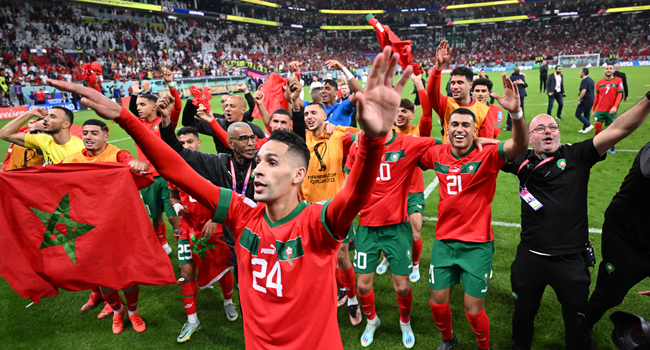
Qatar hosted the 2022 FIFA World Cup, and Moroccans expected their team to feel at home, but for a side that had not won a game at the World Cup for 24 years, what happened within those 4 weeks is simply magical.
After opening up their group stage campaign with a barren draw with Croatia, Morocco turned up the style. Zakaria Aboukhlal and Roman Saiss scored in the second half as they brushed aside Belgium before defeating Canada 2-1 in their final group game. Goals from Hakim Ziyech and Youssef En-Nesyri secured top spot and passage to the knockout stages.
After a gruelling 120 minutes of football in the Round of 16, Spain and Morocco could only be separated by the lottery of spot kicks. Yassine Bounou in goal for Morocco saved Sergio Busquets and Carlos Soler’s penalties while Pablo Sarabia hit the post. After Abdelhamid Sabiri and Ziyech converted their kicks, it was Achraf Hakimi’s panenka that sent them through to the quarterfinal.
One of the main stories of the 2022 World Cup was the potential of the tournament being the last dance for Lionel Messi and Cristiano Ronaldo. And in the quarterfinal, Portugal stood face-to-face with Morocco. En-Nesyri scored the game’s only goal in the 42nd minute, and it was then that the world understood the magnitude of what Morocco had just achieved.
Morocco became the first African and first Arab nation to reach the semi-finals of the World Cup and only the third nation outside Europe and South America to reach the last four. Their story reached its climax with a 2-0 defeat to defending champions France and a 2-1 loss to Croatia in the third-place match.
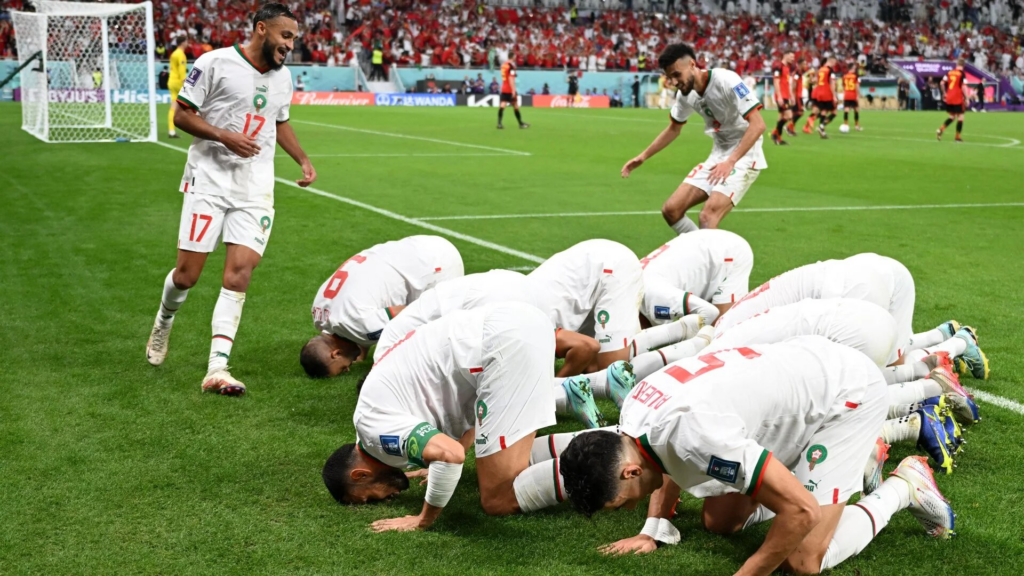
However, the images of Moroccan players celebrating with their mothers and the whole team spreading the nation’s flags, performing the Ruku, engulfed the host nation, the Middle East, and Africa.
The whole point of this list is that these ten teams did something we couldn’t quite believe, so there is no point in debating which entry should be higher than the other. The 2002 World Cup was absolutely unpredictable, and if that is what jointly hosted tournaments serve, the 2026 edition will be incredible.
Already, debutants Cape Verde have held European champions Spain to a 0-0 draw; the same scoreline as Curaçao, a country of 150,000 people, against Ecuador. By the end of the tournament, this list might need an upgrade and an edit.
Who wrote this?

Philip is a sports broadcaster at Royal FM 95.1 in Ilorin, Nigeria, where he presents Sport File and Soccer Chat. Away from the mic, he writes long-form football pieces and runs Football Chronicles on YouTube. He has worked with AFTV, Kwara Youth League and Koller FA. He's interested in the stories behind the results — why teams rise, why they fall, and what gets forgotten in between.