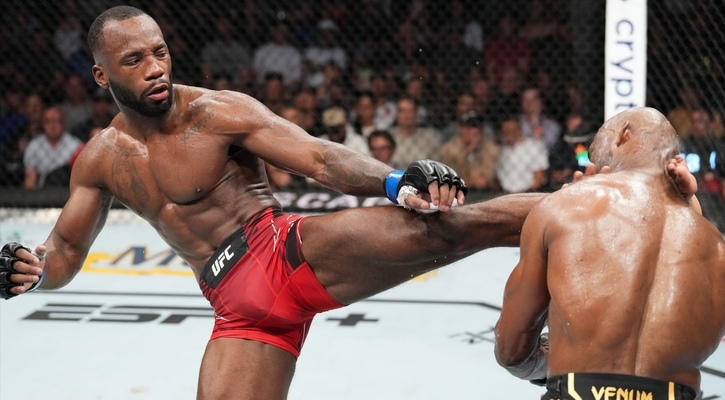




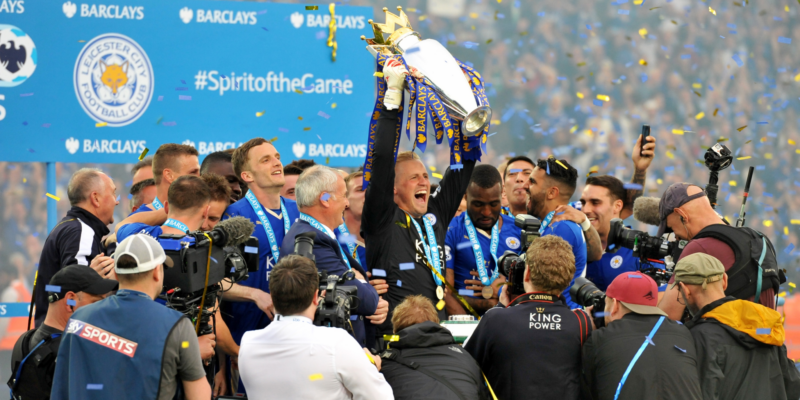
Across Europe, various small clubs enjoyed moments of unimaginable success, where the football was electric, and their players became stars overnight; under the lights of Europe’s biggest club competition, supporters believed they had finally arrived among the elite.
But for many of those teams, the rise proved short-lived. Years of recession and financial trouble followed, leaving clubs struggling to reclaim their former status. This pattern has become known as the post-Europe Depression: clubs enjoy one or two unforgettable European runs, then spend years looking back on their glory days.
Take a look at 10 teams that went through the post-Europe depression and the reasons behind their rise and fall.
Nottingham Forest
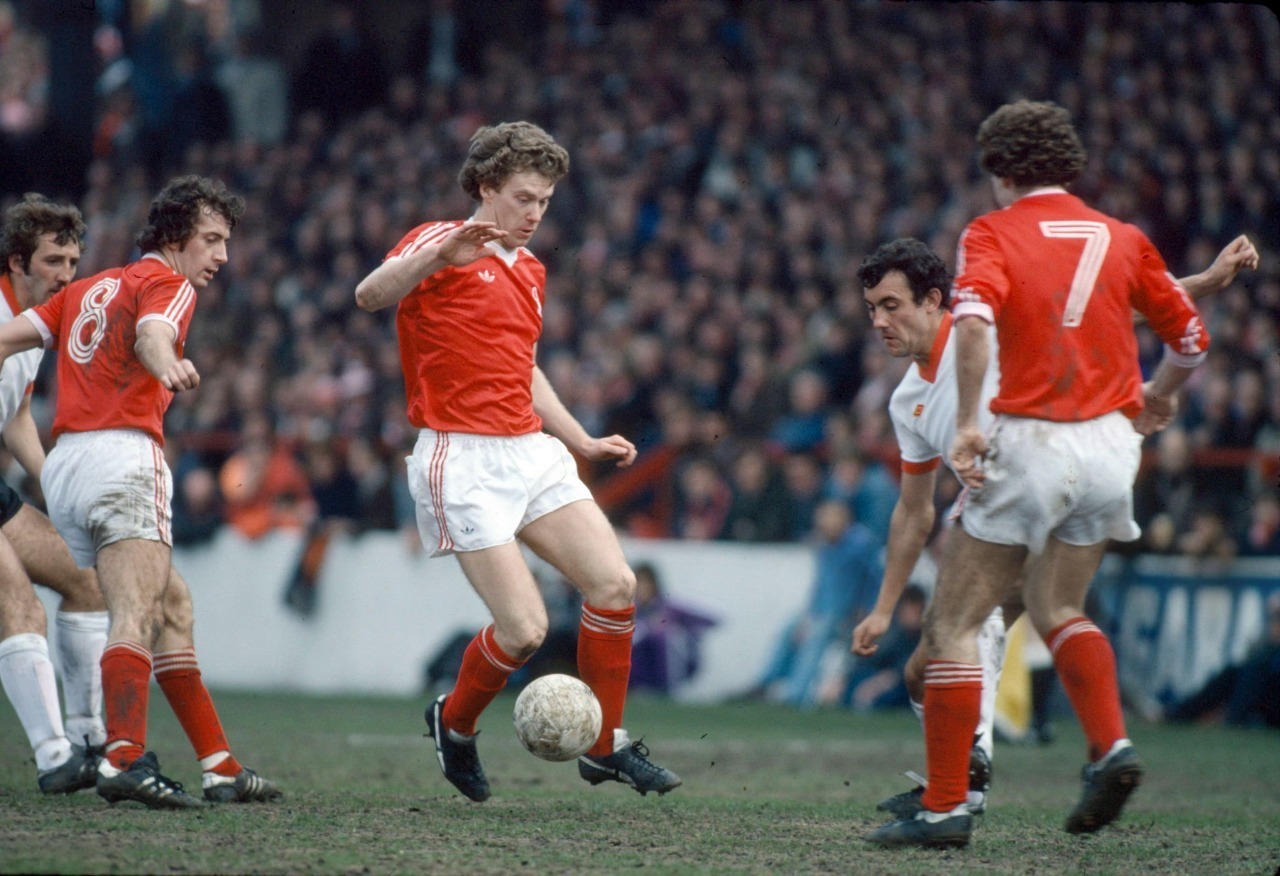
Nottingham Forest were a powerhouse in the late 70s and 80s, winning the European Cup consecutively in 1979 and 1980. Then came the unprecedented decline in the 1990s, which made Nottingham Forest F.C. a clear example of how sustained success can vanish once key players begin to leave.
Forest had ended the 1991/92 season strongly, reaching domestic cup finals and remaining one of England’s most respected sides under Brian Clough. But the team started to fall apart after the sale of Des Walker to Sampdoria following Euro 92. Months later, star striker Teddy Sheringham left for Manchester United.
Those departures weakened the spine of the squad and accelerated Forest’s free fall. Clough, nearing the end of his legendary managerial career, could not stop the slide as the club suffered relegation in 1993. Soon after, another major exit followed when Roy Keane joined Manchester United that summer.
Forest responded well initially, earning immediate promotion back to the top flight in 1994 after finishing second in the second tier behind Crystal Palace F.C. Leicester City F.C. also returned to the Premier League that season through the play-offs.
At the heart of Forest’s revival was Stan Collymore, whose goals powered the club during promotion and helped them finish third in the Premier League in 1994/95, behind Manchester United and champions Blackburn Rovers. Yet history repeated itself. Collymore was sold to Liverpool F.C. in the summer of 1995 after his breakout season.
The impact of Collymore’s sale was immediate. Nottingham Forest slipped to ninth the following season before collapsing into relegation in 1996/97 amid managerial instability. Stuart Pearce briefly stepped in as caretaker player-manager before Dave Bassett arrived to steady the club.
Bassett guided Forest back to the Premier League in 1998 with Pierre van Hooijdonk leading the attack, but the recovery did not last. After replacing Bassett with Ron Atkinson mid-season, the club endured a disastrous 1998/99 campaign that ended in relegation.
What followed was a long slide into irrelevance. Nottingham Forest would spend 23 years outside the top flight and even dropped into League One between 2005 and 2008, their lowest level since 1951. The club’s steady cycle of selling key players and managerial departures after periods of success ultimately proved impossible to recover from.
After 22 years away from the top flight, Nottingham Forest returned to the Premier League in 2022 under Greek billionaire Evangelos Marinakis. Despite heavy investment that secured Europa League qualification for the 2025/26 season, the club struggled with repeated managerial crises and continued owner interference, which overshadowed its campaign.
After narrowly avoiding relegation, Forest look to enter the new season aiming for greater stability, with no European commitments to distract them.
Leeds United
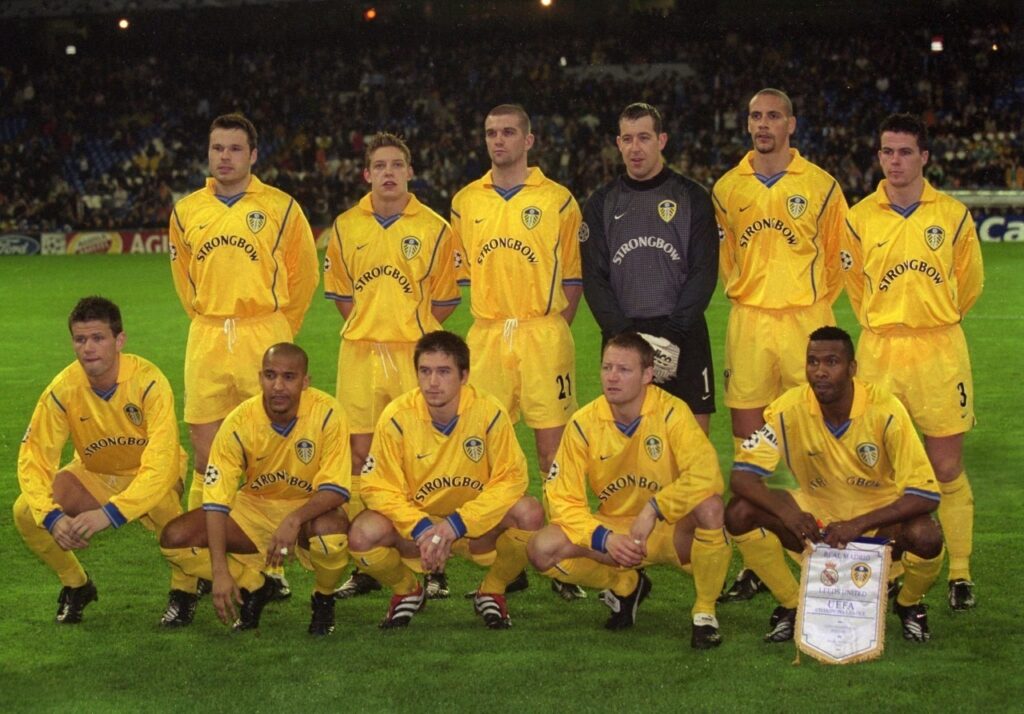
Marcelo Bielsa’s high-pressing, attacking style didn’t make his Leeds side the best the Yorkshire club has ever seen. From the powerful 70s to a quiet 80s, Leeds United is a historic club with many highs but even more crushing lows.
Leeds United’s rise and collapse in the late 1990s and early 2000s remain one of English football’s most dramatic stories. Under chairman Peter Ridsdale and manager David O’Leary, Leeds combined a talented academy generation with ambitious recruitment to become one of Europe’s most exciting teams.
The club’s youth system produced stars such as Harry Kewell, Alan Smith, Jonathan Woodgate, Ian Harte, and Paul Robinson. O’Leary trusted these young players and built a fearless, attacking side that finished fourth in 1998-99 and third in 1999-2000 while reaching the UEFA Cup semi-finals.
Their best ever season came in 2000/2001. Backed by major spending, including the signings of Rio Ferdinand, Olivier Dacourt, and Mark Viduka, Leeds reached the Champions League semi-finals, defeating European heavyweights such as AC Milan, Lazio, and Deportivo La Coruña along the way.
However, beneath the success, financial risks were mounting. Ridsdale borrowed heavily against future revenues, assuming Leeds would regularly qualify for the Champions League.
When the club narrowly missed qualification in successive seasons, the financial model collapsed. Despite mounting debt, Leeds continued spending on players such as Robbie Fowler, Robbie Keane, and Seth Johnson.
By 2002, the club was reported to be around £80 million in debt. To stay afloat, Leeds sold key assets including Ferdinand, Woodgate, Bowyer, Dacourt, and Fowler. The club also lost ownership of Elland Road and its Thorp Arch training ground.
Leeds suffered relegation in 2004, then plunged into League One within a few years and eventually entered administration. What began as an ambitious attempt to compete with Europe’s big teams became a cautionary tale of financial overreach. The phrase “doing a Leeds” remains a reminder for clubs whose ambition outpaces their resources.
Deportivo de La Coruña
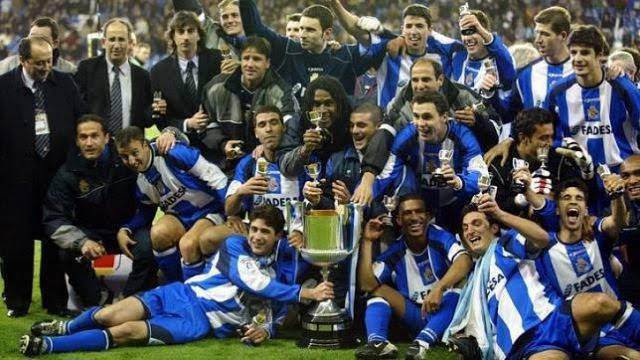
The 1999/2000 La Liga season ended dramatically when minnows Deportivo won the title, thanks to Louis Van Gaal slipping in the last 3 games of the season.
Deportivo de La Coruña’s rise began a year earlier and developed into one of La Liga’s most shocking modern-era stories. They were the Leicester City of that era.
Deportivo appointed Javier Irureta as head coach ahead of the 1998/99 season after he left Celta de Vigo, giving him full control over recruitment and the task of building a squad that blended experience with emerging talent. Key additions included Pauleta, Manuel Pablo, and Enrique Romero.
The momentum carried into the early 2000s as Deportivo strengthened further with signings such as Juan Carlos Valerón, Joan Capdevila, Diego Tristán, and Walter Pandiani. The club remained competitive at home and in Europe, finishing second in consecutive league seasons and lifting the Copa del Rey in 2002 against Real Madrid CF at the Santiago Bernabéu.
The 2003/04 season was Deportivo’s peak, but it also marked the beginning of their downfall. A Champions League group stage without a goal, wobbly league form that left them in eighth, and Irueta’s departure in 2005 heightened internal instability.
Financial strain and the departure of their stellar coach, Irueta, soon forced a steady sale of key players, including Roy Makaay, Mauro Silva, and Albert Luque. As debts mounted, the club dismantled the squad. By 2008, survival depended on youth development.
Deportivo completed its fall in 2011 when it lost to Valencia CF and was relegated, 17 years after Valencia denied it the league title.
Malaga CF
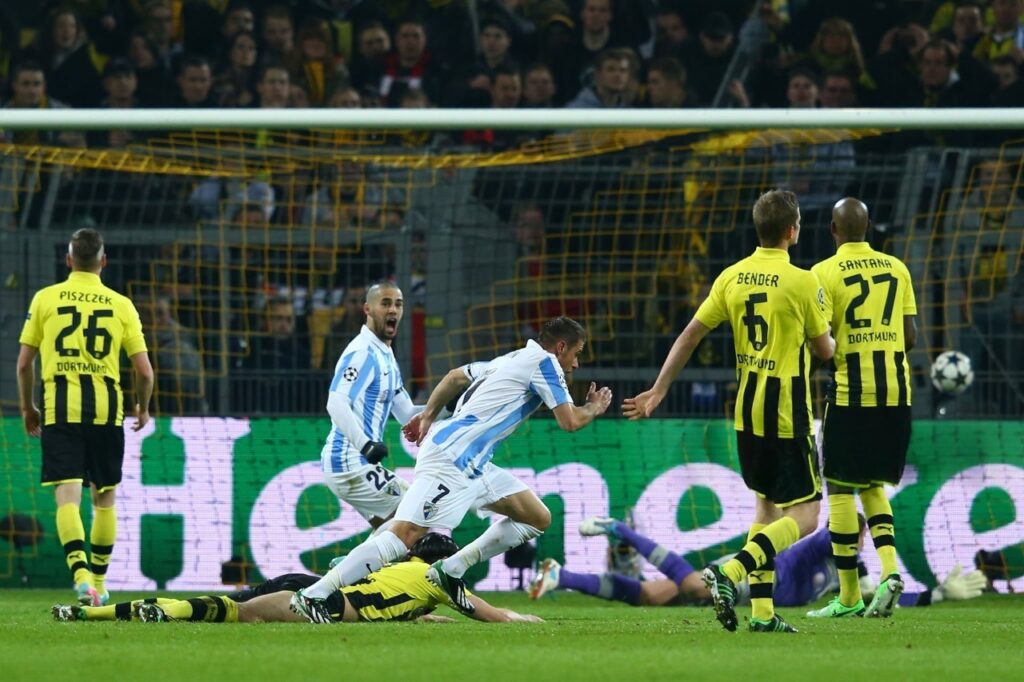
Qatari businessman Abdullah Al Thani acquired Málaga in 2010 and invested in the club, which reached the Champions League quarter-finals in 2013 before Jürgen Klopp’s Borussia Dortmund eliminated them in a controversial match marred by a suspected offside goal.
This marked a major breakthrough for Malaga, not a setback. Three years in, and already in the Champions League quarter-finals, was amazing. The pipeline players included world beaters like Isco, Roque Santa Cruz, Joaquin, and more.
Although Manuel Pellegrini left for Manchester City in the summer of 2013 and Isco joined Real Madrid, there was still early optimism that Sheik Abdullah Al Thani’s investment would keep the club competing at a high level in European football.
Financial fair play restrictions and poor business decisions forced Al Thani to leave the club. His exit exposed huge debts and financial mismanagement, leading to Malaga being handed over to an administrator.
The struggles continued. Malaga dropped to the second division in 2018, then to the third tier in 2023, before earning promotion back a year later. The club, however, has never looked the same since 2013 after losing its manager and star players to bigger sides after European success.
Hamburger SV
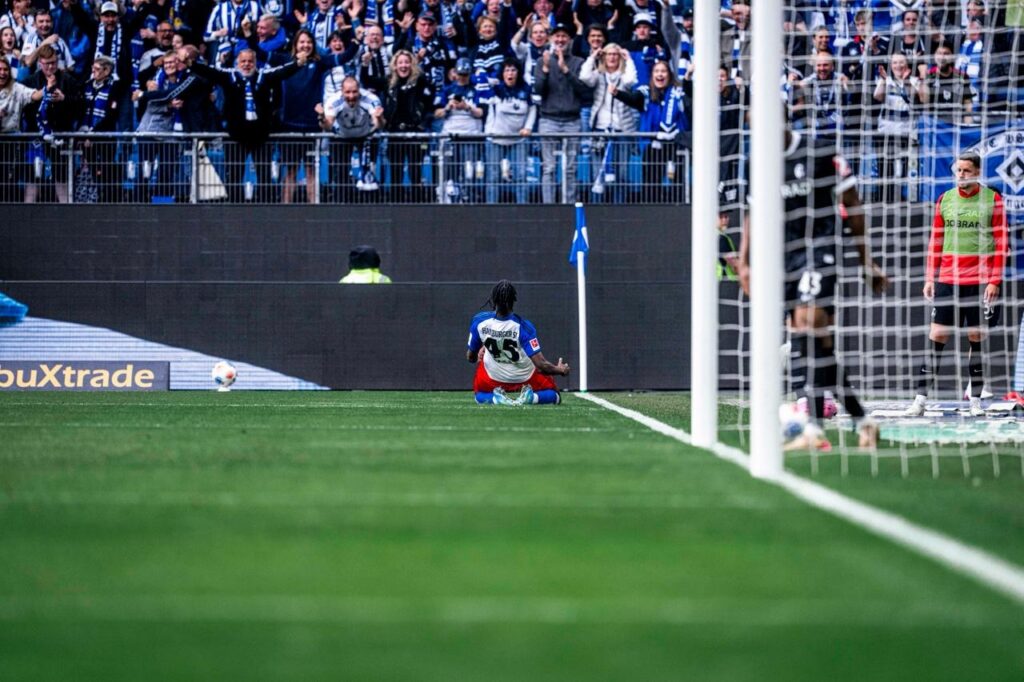
Six-time Bundesliga Champions and 1983 European Cup winners Hamburger SV enjoyed one of their best European spells in the 2009/2010 season, reaching the Europa League semi-final before falling to English side Fulham.
The following season brought some disruption as Jérôme Boateng left for Manchester City F.C. alongside several experienced players.
In 2014, the club approved the controversial separation of its professional football division from the amateur sports club, promising a brighter future. Instead, it divided the fanbase, with disgruntled supporters forming the fan-owned HFC Falke.
After four seasons of battling relegation, Hamburg finally dropped out of the Bundesliga, ending its status as the league’s only ever-present club, before returning in 2025 after a seven-year absence.
Hertha Berlin
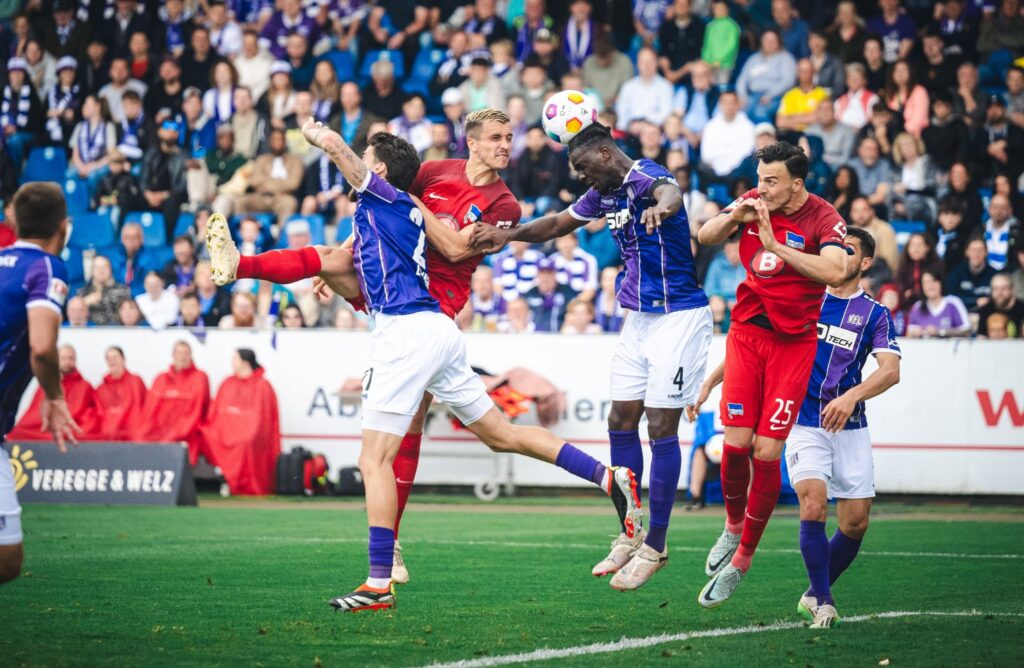
The Olympiastadion hosted European football in back-to-back seasons between 2016/17 and 2017/18 under Pál Dárdai, shortly after he guided the club to the DFB-Pokal semi-finals in 2015.
Trouble started in 2019 when billionaire Lars Windhorst began backing the club and declared Hertha Berlin a ‘’big city club” capable of challenging Germany’s bigger teams. Windhorst invested €374 million, triggering an aggressive spending spree and constant behind-the-scenes disruption.
Managers came and went. Sporting directors, chief executives, and managing directors also failed to last. The instability only deepened as scandals emerged and performances declined. Instead of competing with Europe’s elite, Hertha spent season after season battling relegation, while the “big city club” label quickly became a source of mockery.
The situation worsened during the coronavirus pandemic when Windhorst’s financial backing slowed, and falling ticket revenue forced the club to cut costs. Already weakened by years of poor decisions and instability, Hertha eventually collapsed and suffered relegation in 2023.
FC Dnipro
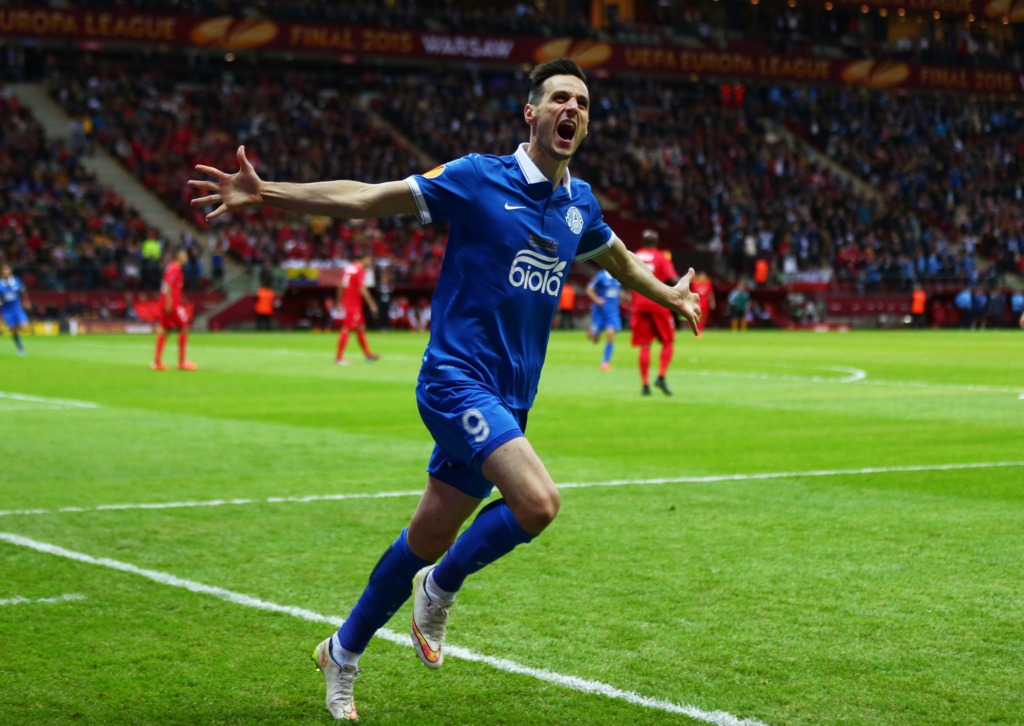
Dnipro’s run to the 2015 Europa League final remains one of the greatest underdog stories in modern European football.
Forced to play home matches more than 400 kilometers away in Kyiv due to the conflict in eastern Ukraine, Dnipro defied expectations by reaching the final, defeating Olympiacos, Ajax, Club Brugge, and Napoli along the way.
Led by players such as Yevhen Konoplyanka, Nikola Kalinić, and Denys Boyko, they took the lead against Sevilla before eventually losing 3-2 in Warsaw.
For a club whose greatest successes came during the Soviet era, the 2015 Europa League final seemed to signal a new chapter. Instead, it marked the beginning of the deterioration of Dnipro
Key players departed after that season, and owner Ihor Kolomoisky withdrew financial support; unpaid wages led to FIFA sanctions and points deductions. The club couldn’t keep up and was relegated in 2017, just two years after the Europa League final.
Mounting debts and persistent financial problems drove Dnipro down the football pyramid and into the amateur divisions, before the club dissolved and its successor, SC Dnipro-1, emerged.
From a European finalist to near extinction within five years, Dnipro’s collapse remains one of football’s most dramatic falls.
Leicester City
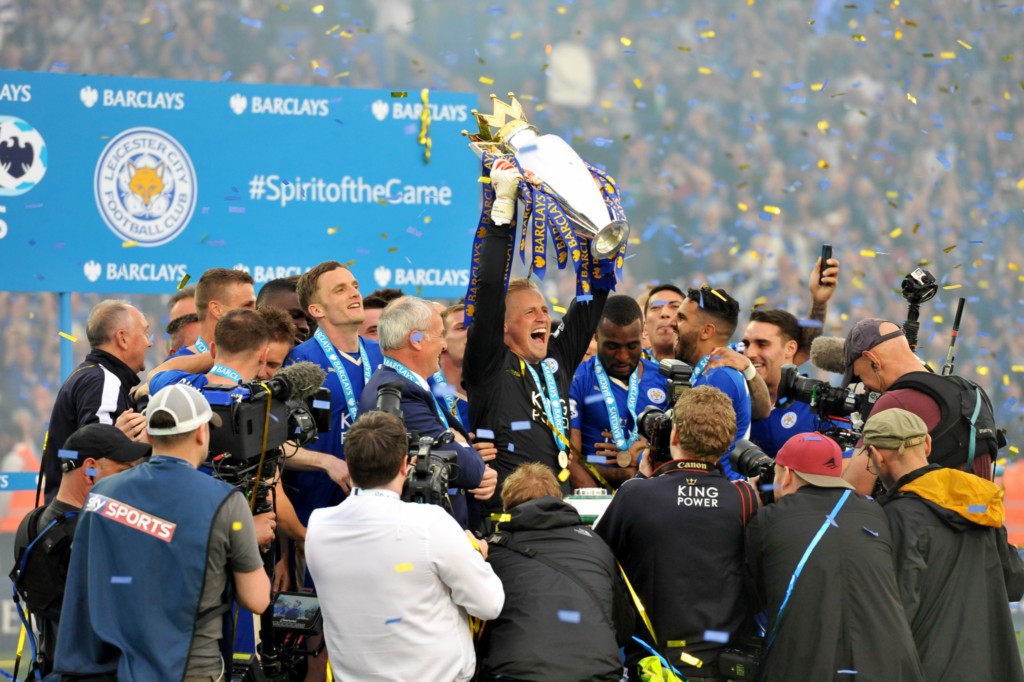
After Claudio Ranieri pulled off one of football’s greatest miracles, Leicester became European regulars competing in the Champions League. Under English coach Brendan Rodgers, they continued their continental march in the Europa League after back-to-back 5th-place finishes and an FA Cup triumph.
Leicester City’s relegation from the Premier League at the end of the 2022/23 season stunned many; however, warning signs had already appeared.
Vichai Srivaddhanaprabha’s death in 2018 marked a turning point for Leicester, shifting the club from his hands-on ownership to his son’s leadership, which had to balance football ambitions with family business demands.
Brendan Rodgers admitted that Leicester’s financial situation had worsened after the pandemic hit the duty-free business of the club’s owners, King Power International Group.
Tightened spending limits left the manager unable to strengthen the squad despite pushing for reinforcements after multiple big exits and competing across multiple competitions.
Despite growing financial concerns and a lack of new signings, few expected the club’s decline to end in relegation to the Championship.
When everyone thought that could be the worst-case scenario, the club dropped further to League One after the 2025/2026 Championship season, and they don’t seem likely to be out of the woods anytime soon.
Burnley
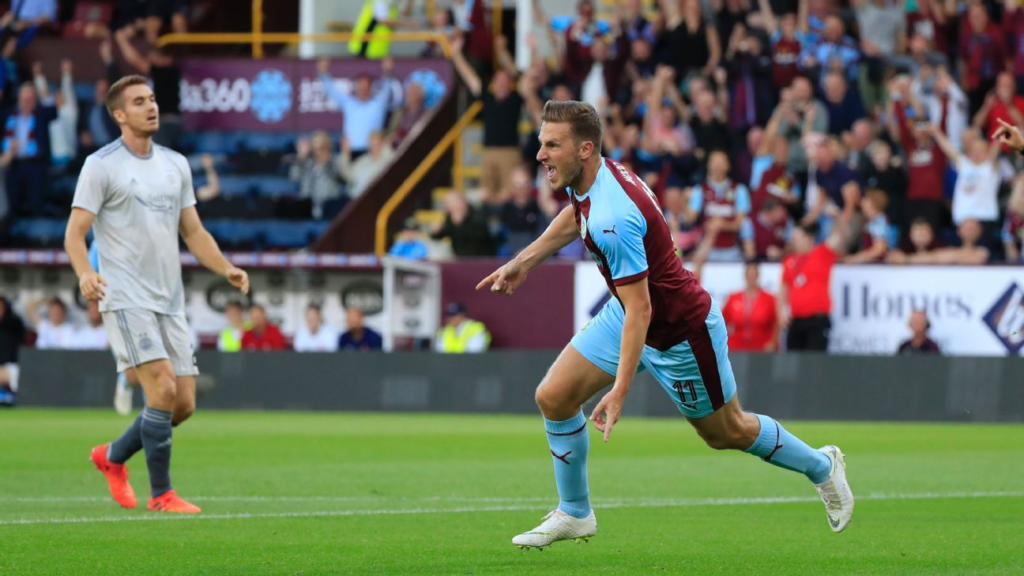
Sean Dyche overachieved in his 10 years at Burnley. During his tenure, Turf Moor was a fortress where big teams struggled to pick up all three points.
Tough, physical defenders; relentless midfielders who ran for the full 90 minutes; and a long-throw and corner strategy that unsettled teams made Burnley one of England’s most awkward opponents.
If you think Arteta loves defending, you didn’t watch Sean Dyche’s Burnley. To be fair, what can you expect from a manager who was a hard-up center-back in his playing days and helped three of the six clubs he played for secure promotion?
Burnley appointed Sean Dyche as manager in 2012 after Eddie Howe returned to Bournemouth. After relegation from the Premier League in 2010, the club wanted to return to the top flight. In his interview, Dyche impressed the board by presenting a PowerPoint outlining exactly how he planned to manage the club.
One thing was clear from day one. There was no money in the purse, and Dyche had to scrape together whatever resources the club had. Shrewd business meant selling star striker Charlie Austin to raise funds, a decision that left sections of the fanbase unconvinced.
New, cheaper signings like Sam Vokes and Danny Ings were tasked with leading the line, while Dyche preached patience to a dissatisfied fanbase. Two years later, Burnley were back in the Premier League.
In four years, Burnley achieved something remarkable. They were one of six Premier League teams to take points from Pep Guardiola’s Centurion side in the 2017/18 season, a campaign that ended with Europa League qualification.
That success exposed Burnley’s biggest weakness. The club still refused to spend at the level required to maintain progress.
Competing in Europe meant more games for the players and shorter recovery periods. Burnley had to grapple with injuries and load management, which affected their overall performance domestically and in Europe
Throughout his time at Turf Moor, Sean Dyche never shied away from speaking about the budget constraints. He repeatedly warned that Burnley’s Premier League status was under threat if the club failed to stretch its resources.
It was not empty complaining. Dyche delivered mid-table finishes and European qualification while working with one of the League’s smallest budgets. By the time he left, his average net transfer spend was roughly £9 million per season, a figure eclipsed by most Premier League clubs.
He still kept Burnley afloat for years, but the fall-off was inevitable. A 10th-place finish was followed by 17th, then relegation in 2022. The club fired Sean Dyche with eight games remaining.
Since his departure, Burnley have struggled even more, unable to establish long-term stability and repeatedly bouncing between the Premier League and the Championship.
Perhaps Dyche’s greatest achievement wasn’t just qualifying for Europe, but convincing people Burnley should expect more than survival. In doing so, he raised expectations higher than the club’s budget could realistically support.
Girona FC
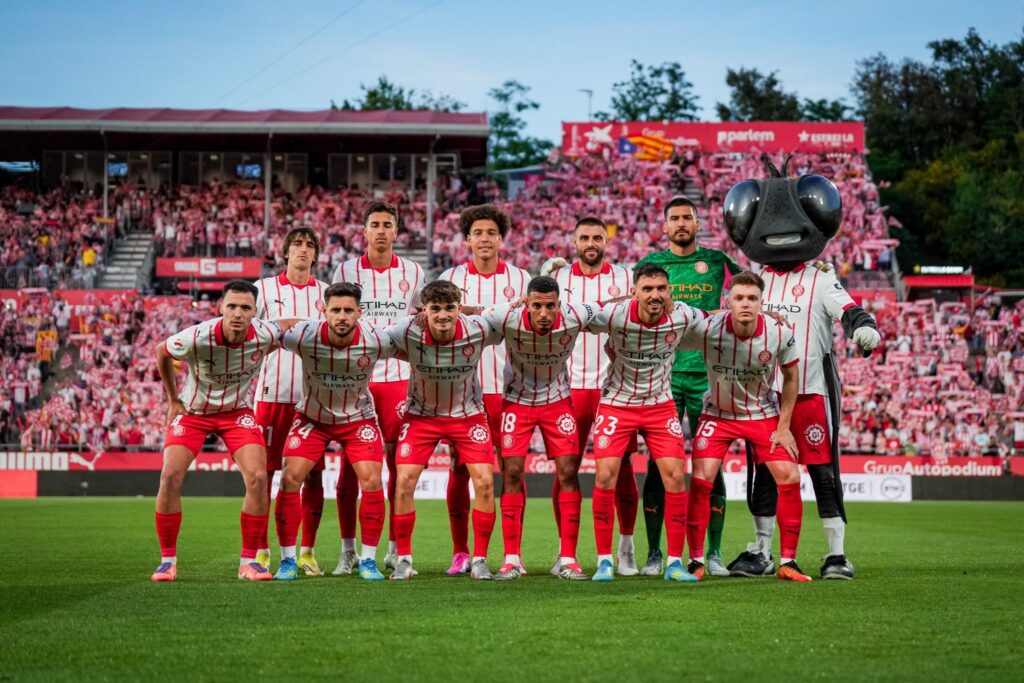
Just two seasons ago, Girona were genuine contenders for the La Liga title, eventually finishing third and securing automatic qualification for the Champions League.
Unlike many surprise packages, Girona were not expected to fade away. As part of the City Football Group, they had access to investment, scouting infrastructure, and a global pool of talent. The club appeared to be following a path similar to Manchester City’s rise, albeit on a smaller scale.
Sixteen months after their Champions League campaign, Girona entered the final day of the season needing a win against 17th-placed Elche to secure survival.
The match ended 1-1. It marked Girona’s second relegation in nine years.
The foundations for their rise were laid in 2017 when City Football Group and the Girona Football Group, led by Pere Guardiola, acquired a combined 44.3% stake in the club. The objective was clear: Girona would benefit from CFG’s expertise in recruitment, player development, coaching structures, and football operations.
Five Manchester City players arrived on loan in 2017-18, followed by three in 2019-20, four in 2020-21, and another three in 2021-22. That steady flow of talent helped build the side that finished third in 2023-24 and reached the Champions League.
Sustaining that success proved much harder.
After their breakthrough campaign, Girona lost much of the core that had driven their success. Top scorer Artem Dovbyk joined Roma, Savinho moved to Manchester City, Aleix Garcia signed for Bayer Leverkusen, and Eric Garcia returned to Barcelona after his loan spell.
In response, Girona signed 11 new players. According to sporting director Quique Cárcel, integrating that many arrivals requires time, something the fixture schedule rarely allows.
Girona’s relegation raises fresh questions about how much protection multi-club ownership models can provide smaller teams after a breakthrough season.
More importantly for City Football Group, it weakens one of its most useful development pathways.
Girona has become a valuable stepping stone for young Manchester City signings, particularly those arriving from South America, offering top-level European football without the immediate demands of the Premier League.
Relegation makes that pathway far less effective.
Who wrote this?

Francis Muojindu is a law graduate, journalist, and writer who is always seeking to amplify African Voices in sports.
He primarily covers football, basketball, and athletics with good knowledge of other sports.
When Francis is not bantering with friends, he is on the search for the latest news flying across the globe.
- Francis Muojindu

- Francis Muojindu

- Francis Muojindu
- Francis Muojindu

- Francis Muojindu
- Francis Muojindu

- Francis Muojindu
- Francis Muojindu
- Francis Muojindu

- Francis Muojindu
- Francis Muojindu
- Francis Muojindu

- Francis Muojindu