



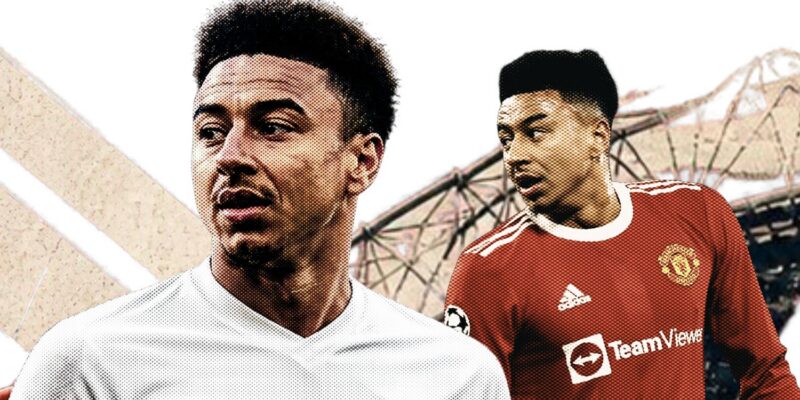
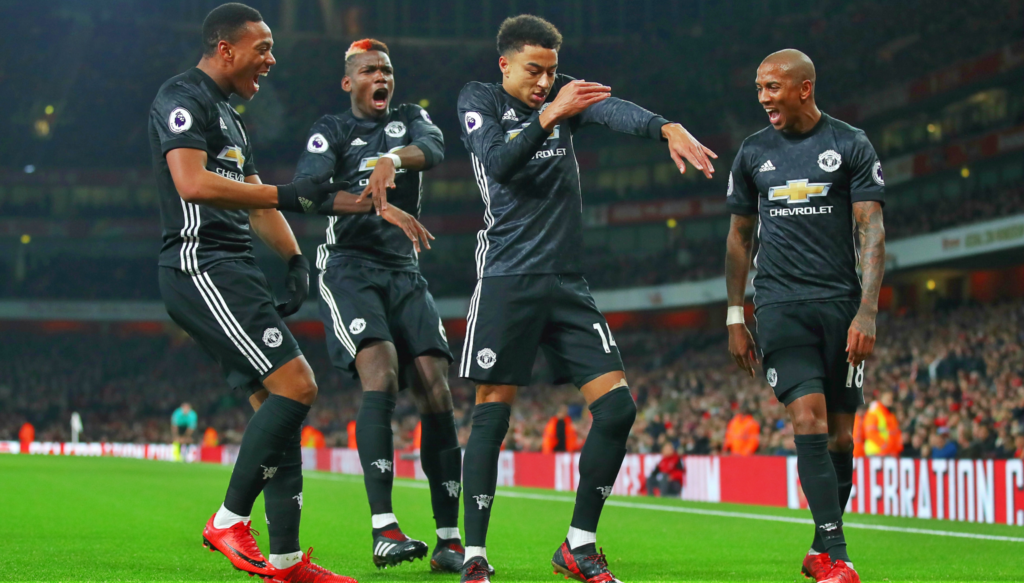
I can still hear Peter Drury’s unmistakable voice echoing from my housemaster’s TV as Arsenal faced Manchester United in 2017. United had just scored their third goal to seal the win against Arsenal, leaving me devastated as a schoolboy Arsenal fan. Jesse Lingard, the star of the night, had also given my classmates the perfect ammunition to banter me for the entire week.
Two goals from a well-worked United attack earned him the man of the match award, overshadowing Arsenal’s missed chances and David De Gea’s world-class display between the sticks. For Jesse Lingard, the performance was the latest chapter in a story that had been building for years.
Two years earlier, his academy coach René Meulensteen had described him as the “English Iniesta” in an interview with United Review, while acknowledging that the youngster still had a long way to go. That night against Arsenal, Lingard looked every bit like the player United had hoped he would become.
Carrington had finally produced another academy graduate capable of making his mark on the first team. But Lingard offered more than what he produced on the pitch. “Jlingz”, as he became known online, built one of the biggest personal brands of any footballer at the time, turning his celebrations, fashion and social media presence into part of his identity.
For a while, everything seemed to be falling into place. He became an England international, played at a World Cup, scored in an FA Cup final and enjoyed the best football of his career at Manchester United.
But Lingard hit a cliff; the player once tipped as England’s answer to Andres Iniesta eventually found himself searching for a new beginning outside English football. His career became a story of talent, expectation, personal struggles, resurgence and finally obscurity.
The Making of the English Iniesta
Jesse Lingard was discovered by a scout while playing for local side Penketh United. He joined United’s academy at seven and was signed permanently at nine amid interest from Liverpool and other clubs.
As he progressed through the age groups in the club’s development program, headed by René Meulensteen, Lingard faced a big problem. English football demanded physicality, and his diminutive build limited him.
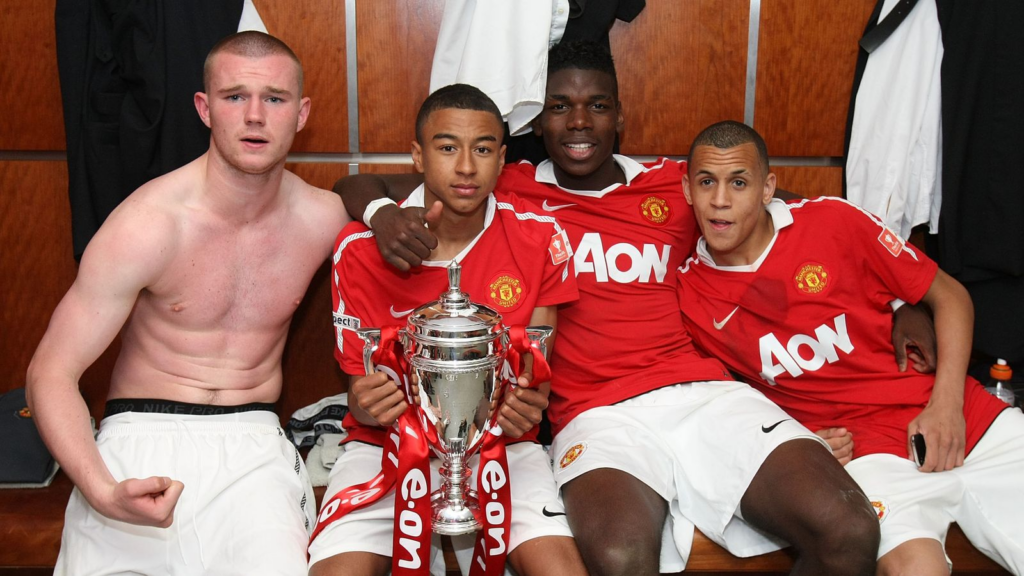
Despite his physical limitations, Lingard never lacked the mental fortitude to push through barriers. His development made him part of a highly revered set of young players who won the youth FA Cup in 2011, a team that featured Paul Pogba, Ravel Morrison, and Michael Keane.
But breaking into the United first team was a difficult ask for any young player. With top players like Ryan Giggs and Paul Scholes still at the club, Manchester United sent Jesse Lingard out on loan to prevent his development from stalling.
From Manchester United Prospect to England International
Sir Alex Ferguson’s reign at Old Trafford ended in 2013, and David Moyes was left with the task of maintaining the legacy of the Scottish manager. Lingard impressed on United’s Asian tour, scoring four in five, but he was too young to be thrown into the fire.
Lingard was sent on loan to Birmingham. On his debut, he scored four goals in a 4-1 win over Sheffield Wednesday, announcing himself in the Championship. He finished with six goals in 13 games before a winter recall sent him to Brighton, where he scored four in 17 games to help the club reach the Championship playoffs.
At United, things were moving negatively. Moyes did not last long enough to integrate Lingard, but his replacement, Louis van Gaal, had a knack for getting the best out of young players.
A debut goal against Swansea at the start of the 2014/ 2015 season signaled a new start, but a knee injury cut short his chances under Van Gaal. The Englishman was shipped out on another loan spell, this time to Derby County to regain fitness and get game time.
2015/16 season seemed like the perfect time to have Lingard play a part in the team; multiple loan spells at Championship sides had done wonders for him, but getting to put on a shirt for United still felt like a fever dream.
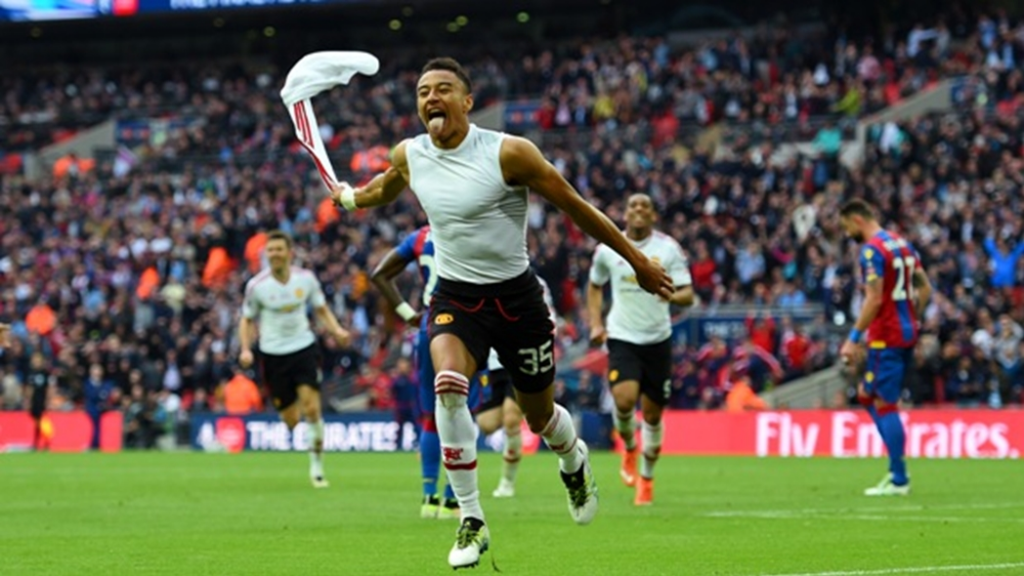
Just then, his lucky break came as a substitute against West Brom; he soon became a regular, featuring in 18 consecutive league matches under Van Gaal. It became his breakthrough season, capped by a dramatic extra-time winner against Crystal Palace in the FA Cup final. His volley secured United’s first FA Cup since 2004 and marked the arrival of an academy graduate to the playground of the big boys.
At club level, Manchester United underwent another managerial change, bringing in José Mourinho to rewrite their fortunes. Mourinho’s style of play was demanding; running and defensive actions were non-negotiable. Thankfully, Lingard had it in abundance; he could exploit space through his movement, and his work ethic was top-notch. This was enough to find favor in the eyes of the Portuguese coach.
England’s terrible outing at the 2016 Euros that climaxed with a defeat to tournament newcomers Iceland led to Roy Hodgson’s departure and Gareth Southgate’s appointment, looking to bring a breath of fresh air into the national team.
Lingard’s impressive performances for Manchester United had put him firmly on the new manager’s radar, earning him his first national team call-up during the October 2016 international break against Malta. England won comfortably, but more significant was Southgate’s praise for Lingard’s performance, mentality and ability to handle pressure.
Jesse Lingard had become an important player at United, and with his contract running out, the club decided to tie him down to a new deal. He repaid that trust with 13 goals and six assists in the 2017/18 season, his best tally in a United shirt, earning selection with England for the 2018 World Cup in Russia.
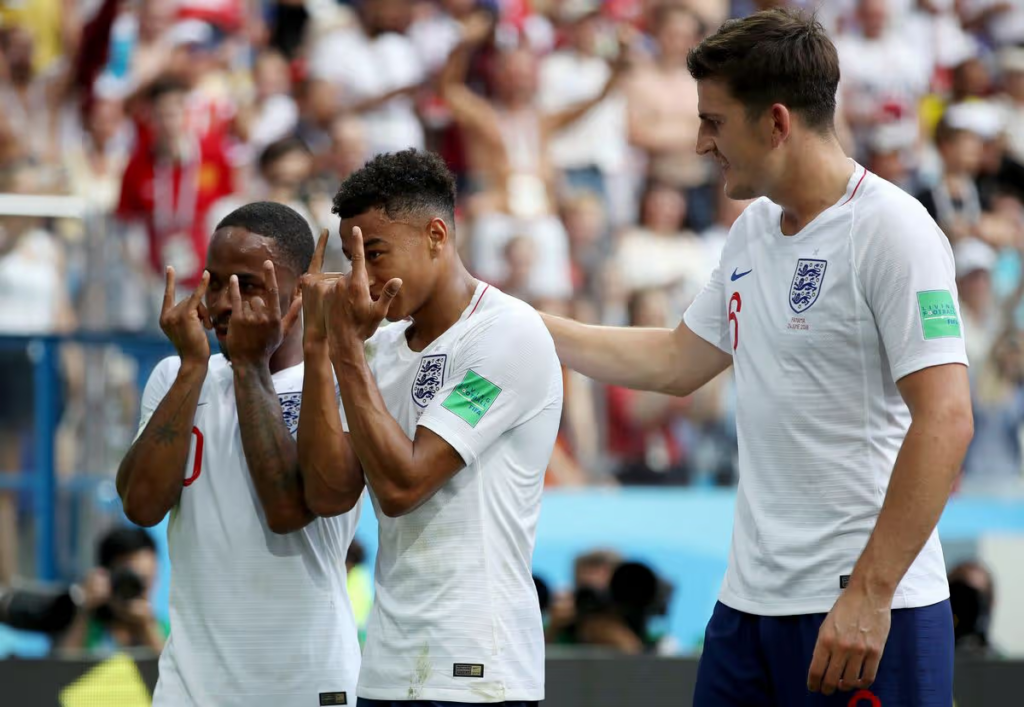
Two years after England’s disappointing exit against Iceland, they came close to a World Cup final in Russia. Lingard played an important role, starting England’s biggest games and playing the full 120 minutes against Colombia and Croatia. His stunning strike against Panama was nominated for Goal of the Tournament.
English fans and social media followers around the world tried to recreate his Jlingz celebration after the Panama game. His stocks had hit a solid bull run.
But that was as good as it could get for Jesse Lingard.
Injuries, Mental Health and the Fall Off at Manchester United
A poor start to the 2018/19 season for United, including a 3-1 defeat to Liverpool, brought Mourinho’s reign to an end in December 2018. After returning from the World Cup with a groin injury, Lingard missed games as Manchester United adjusted to another change in management.
Under Ole Gunnar Solskjaer, Lingard initially looked like his scoring boots never left; the new manager bounce was still in effect when he delivered one of his best performances for the club in a 5-1 victory over Cardiff City, scoring twice. However, after Manchester United made Solskjaer’s appointment permanent in 2019, Lingard’s fortunes began to change
His mother, Kirsty, suffered a severe relapse in her lifelong battle with depression. She traveled to London for specialized inpatient treatment, leaving Lingard to act as the primary carer for his two younger siblings. The professional athlete suddenly took on full parental duties while carrying the weight of his mother’s illness.
Jesse Lingard was mentally exhausted from trying to protect his family while competing at the highest level. He admitted to “bottling everything up” and keeping his domestic struggles hidden from teammates and staff.
As Lingard went over a calendar year without a Premier League goal or assist in 2019, he became the primary outlet for fan frustration online. Every poor performance brought severe cyberbullying.
To be fair, Lingard had cultivated a vibrant personal brand, JLingz, rooted in modern internet culture, dancing celebrations and fashion lines. When his on-field performance dropped, critics and supporters treated his outgoing online persona as evidence that he cared more about social media popularity than football. His joyful demeanor, previously praised during England’s 2018 World Cup run, was rebranded by commentators as unseriousness, although some of his posts were unbecoming for a player at that level
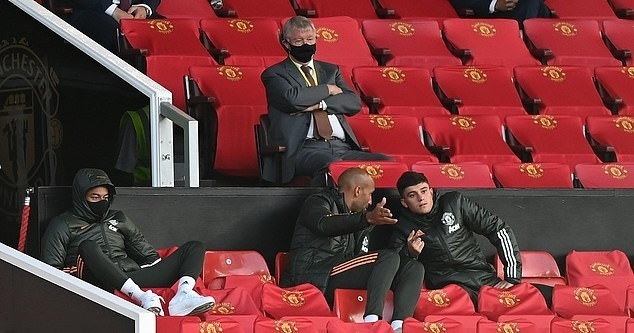
On the pitch, the club was implementing a new strategy towards a younger, faster attack built around Rashford, Anthony Martial and Mason Greenwood, before adding Bruno Fernandes in January 2020. As Lingard’s form declined, Manchester United gradually removed him from the starting XI. Losing his place in the team and the England squad further damaged his already fragile mental health.
Resurgence at West Ham
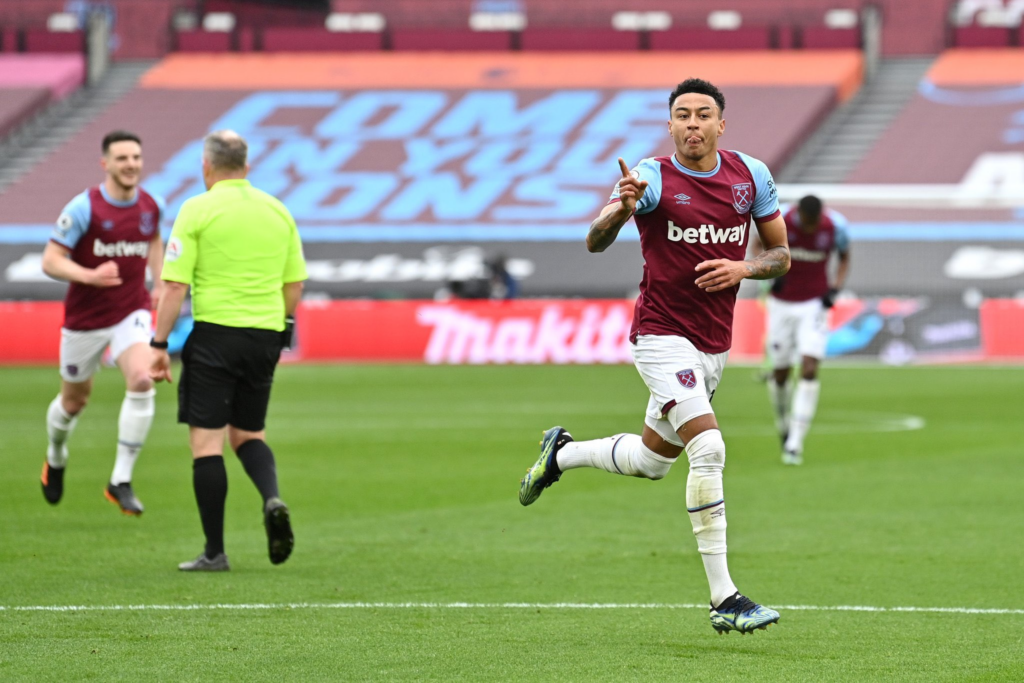
By January 2021, Lingard had become a fringe player at Old Trafford under Ole Gunnar Solskjaer. United sanctioned a six-month loan to West Ham to save on wage costs, maintain Lingard’s asset value and give him regular match action as he attempted to reset his career.
Moyes recognized Lingard’s off-the-ball engine, intelligence in half-spaces and transition threat, which perfectly matched West Ham’s direct, high-work-rate tactical identity. On his debut against Aston Villa on February 3, 2021, he scored twice in a 3-1 victory.
During his six-month spell at West Ham, Lingard provided nine goals and four assists. The surge in output suggested his struggles at United were largely structural and psychological, driven by family hardship, loss of confidence, and the weight of expectation.
Ole also realized this. He told West Ham he wanted to keep Lingard at United for the next season, despite West Ham’s desire to make the deal permanent.
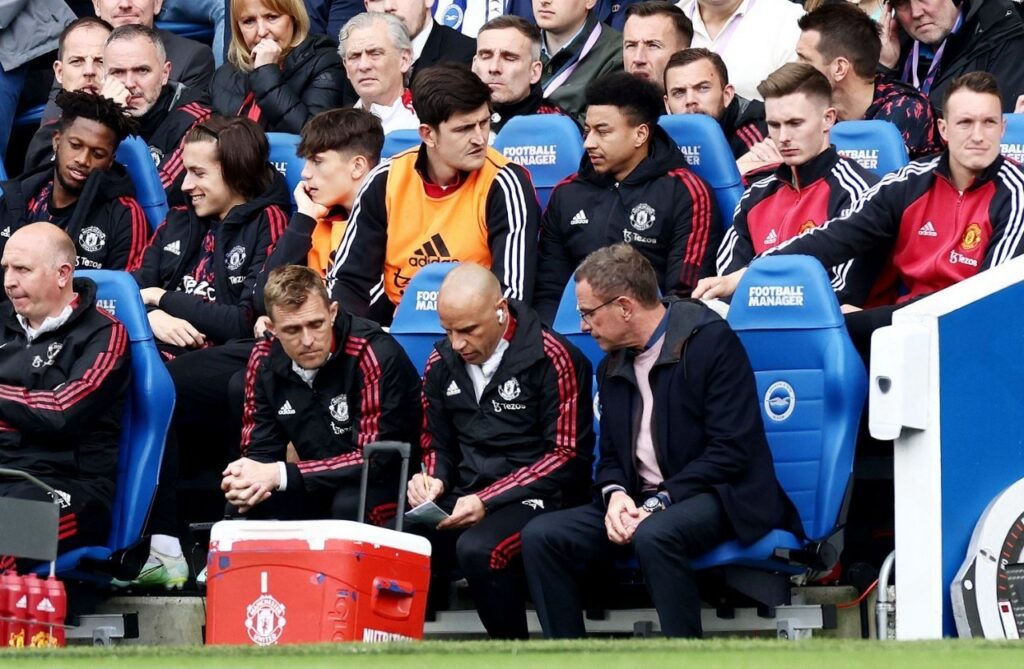
Unfortunately for Lingard, the 2021/22 season did not live up to the promise of his involvement. United signed Ronaldo late in the summer window, further pushing him down the pecking order. He made 22 appearances across the season, with only four coming as a starter.
Lingard’s contract ended in June 2022, with both parties aware there was no future at the club. West Ham came back for the player who had set the London Stadium on fire, but Nottingham Forest had just secured promotion to the Premier League and, backed by a wealthy owner, offered a more financially rewarding package, and Lingard signed a 12-month contract with Nottingham Forest in 2022.
The Nottingham Forest Experiment that Ended in Disappointment
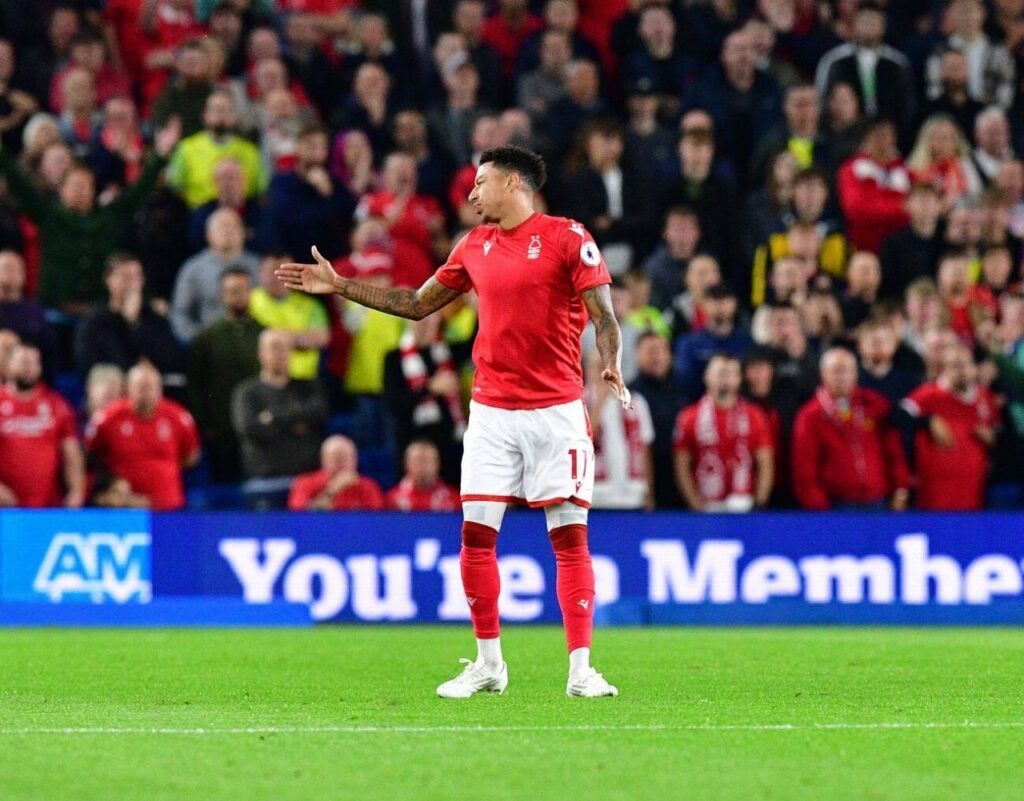
Forest believed they were securing the dynamic playmaker seen during his 2021 loan stint at West Ham. They saw an experienced top-tier creator who could carry their attack and provide immediate Premier League experience to a newly assembled squad.
Ironically, Forest’s squad dynamics made it difficult for Lingard to do anything meaningful. At West Ham, he played in a highly structured counter-attacking system with clear, fast outlets like Michail Antonio and Bowen. At Forest, Steve Cooper was forced to constantly reshuffle his starting XI to integrate the club’s many new signings.
Injuries also played a crucial role in extinguishing his momentum. Just as he showed flashes of form in late 2022, scoring and assisting in Carabao Cup ties, he suffered a hamstring injury against former club Manchester United in December. Subsequent niggles kept him out of the starting lineup for extended stretches during the second half of the season.
He went 17 games without a goal or assist.
It was easy for Lingard to be singled out by the club and media. He was one of the highest earners with proven Premier League experience, so expectations were high.
Unfortunately for Lingard, he signed a strict one-year contract without an automatic extension; no financial friction prevented a split. With Forest looking to streamline their wage structure for their second Premier League season, releasing Lingard on a free transfer in June 2023 was an easy decision.
Finding New Life in Seoul
The disastrous year at Nottingham Forest severely damaged Lingard’s marketability. It turned the narrative of him from a player rediscovering form at West Ham to an unreliable, overpaid luxury player. Big clubs became hesitant to commit to his wage demands during the subsequent summer transfer window.
After spending nine months as a free agent following his Forest exit, Lingard faced dwindling options in Europe that met his financial and sporting demands.
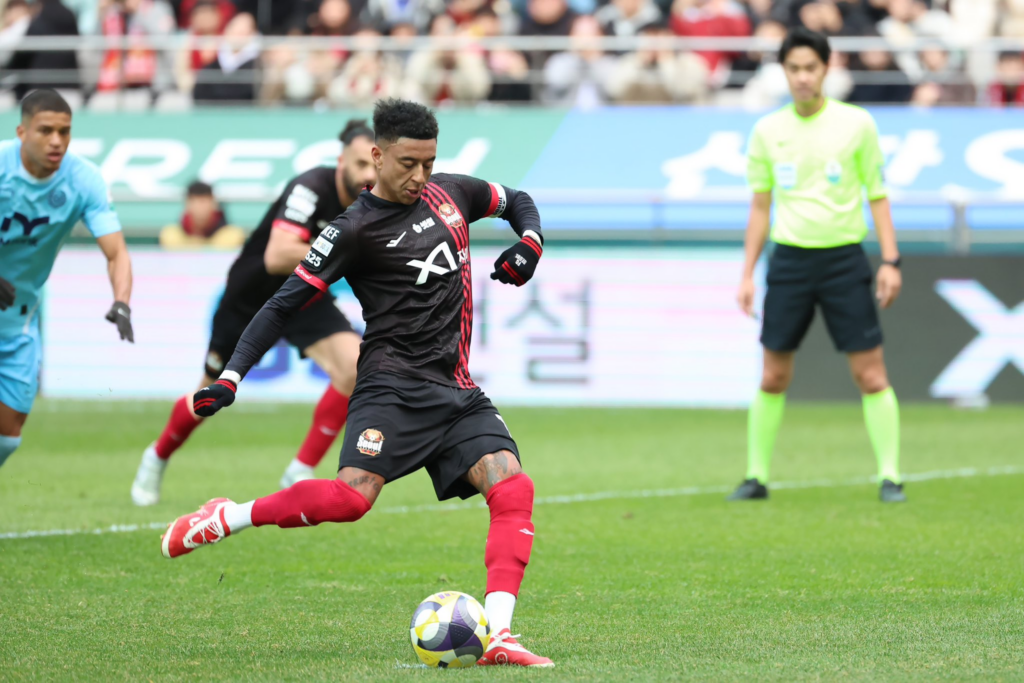
FC Seoul presented a unique contract offer. It was a project where he would be the undisputed main star, a platform to expand his personal brand into Asia while regaining match fitness.
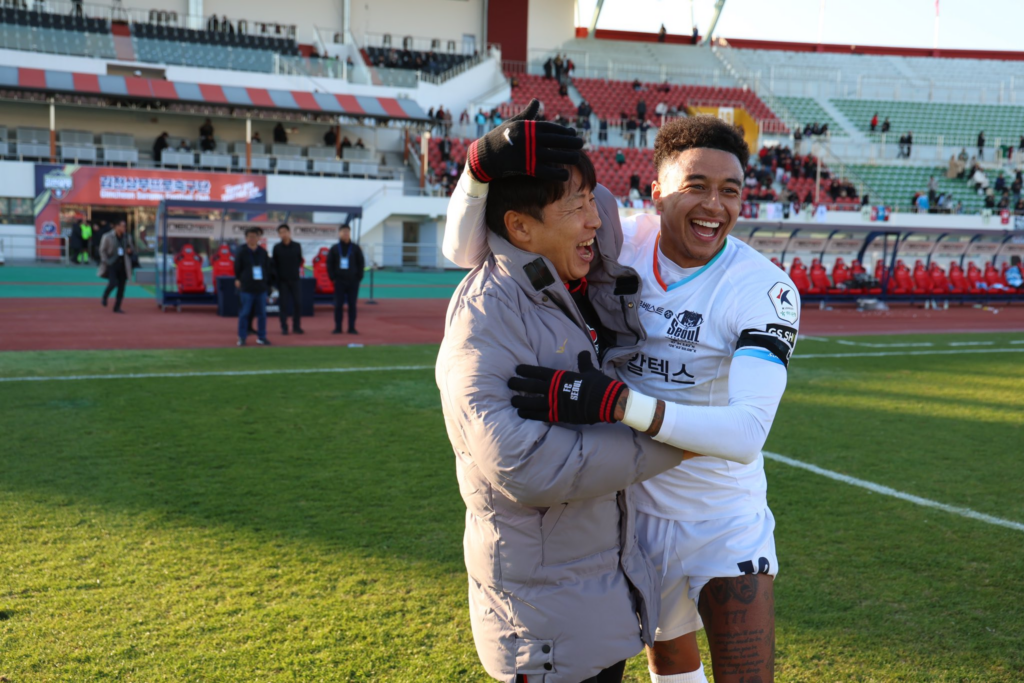
It also offered an escape from the relentless scrutiny of the vindictive British press, which constantly criticized his off-field lifestyle, fashion label, and social media presence. Moving to the K League gave him a clean slate, free of expectations tied to his legacy.
He embraced the demands of the league, took on the captaincy, and became FC Seoul’s main attacking outlet, registering 19 goals and 10 assists across 67 matches during his time in South Korea—not the best numbers, in my opinion, but they counted as improvement.
The English Iniesta Who Never Arrived
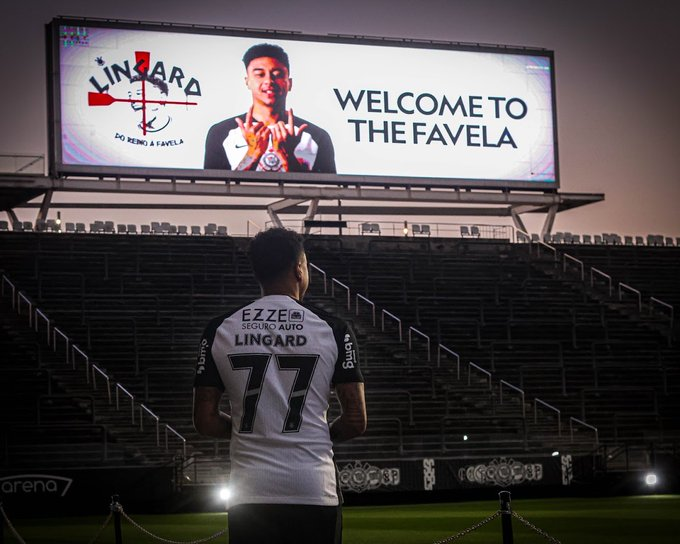
After his contract expired in December 2025, the Englishman joined Corinthians in Brazil in March 2026, joining his former United teammate Memphis Depay.
The moniker, born during his youth development at Manchester United and popularised by academy coaches and media commentators who noted his spatial awareness, quick one-touch passing, and ability to drift between opposition lines, came back to haunt him.
Comparing an emerging player at the time to Andres Iniesta, one of the greatest central midfielders in football history, put Lingard on a high pedestal. Lingard was never a controlling tempo dictator. He was a dynamic, off-the-ball runner who thrived on energy, pressing and late runs into the penalty box.
He could have become more if the circumstances surrounding his mental health and the club he played for were different. But, keeping it real, Jesse Lingard did not have a bad career. Lingard achieved far more than the vast majority of academy products. He scored winning goals in an FA Cup Final and a League Cup Final for Manchester United, started a World Cup semi-final for England, and excelled in the Premier League.
What went wrong was a structural mismatch between expectation and reality. Lingard was an excellent system player who was treated like an elite franchise talent, and, more unfortunately, he was at Manchester United, a club well known for burying talent.
Who wrote this?

Francis Muojindu is a law graduate, journalist, and writer who is always seeking to amplify African Voices in sports.
He primarily covers football, basketball, and athletics with good knowledge of other sports.
When Francis is not bantering with friends, he is on the search for the latest news flying across the globe.
- Francis Muojindu
- Francis Muojindu

- Francis Muojindu
- Francis Muojindu

- Francis Muojindu
- Francis Muojindu

- Francis Muojindu

- Francis Muojindu

- Francis Muojindu

- Francis Muojindu

- Francis Muojindu
- Francis Muojindu

- Francis Muojindu