



Twenty-two years ago, at the Newlands Stadium in South Africa, Cameroon walked into the Women’s Africa Cup of Nations final for the first time in the tournament’s history. They walked out having conceded five, with a 20-year-old Nigerian forward, Perpetua Nkwocha, scoring four of them herself. Final score: Nigeria 5, Cameroon 0.
Cameroon went through the same thing two more times. First in a 2-0 defeat in 2014, then in a 1-0 defeat in 2016, with Nigeria always being the stumbling block.
And when the Indomitable Lionesses walked onto the pitch at the Moulay El Hassan Stadium in August 2026, another chapter to a similar story was about to be written.
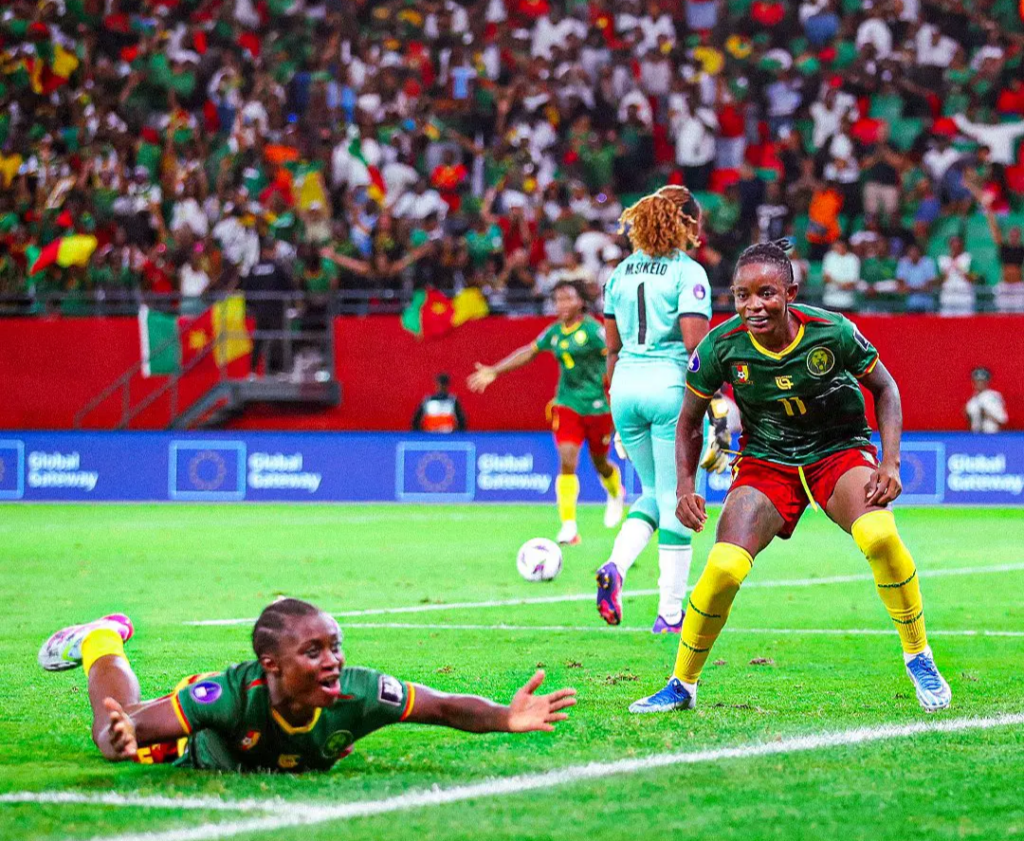
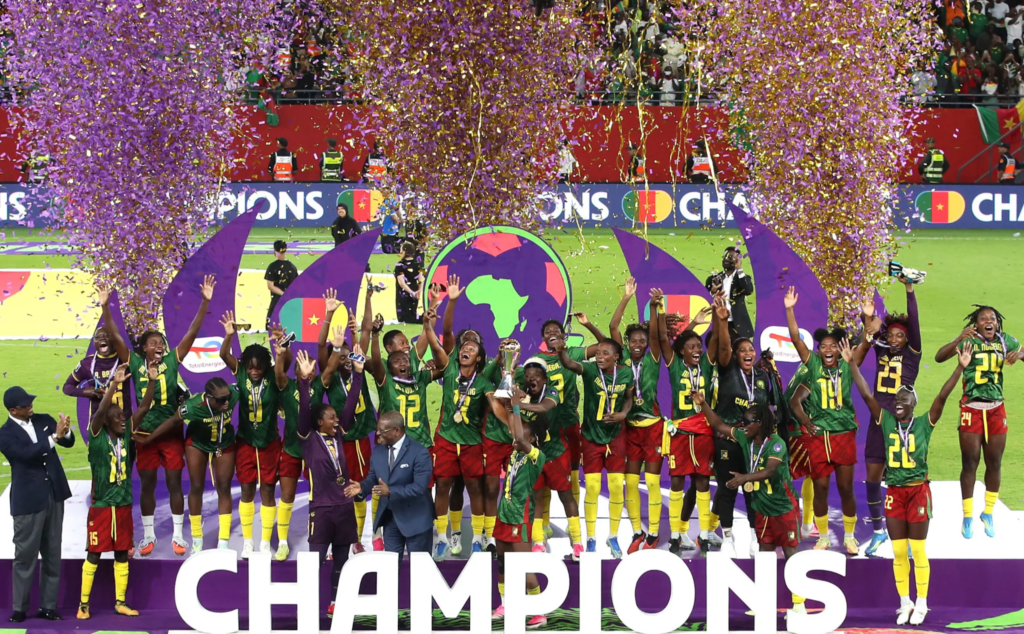
Then, in the 20th minute, a corner was headed onto the crossbar by Malawi’s own goalkeeper, and Marie Ngah nodded the rebound in. Ngah scored again before half-time. Naomi Eto added a third after the break. When the final whistle blew, the team in green and red had won 3-0, and for the first time in their history, Cameroon were champions of Africa. Twenty-two years, three lost finals, and zero goals against Nigeria later, nobody was stopping them this time. And Nigeria wasn’t even in the building.
For context, there is a detail worth sitting with before anything else regarding Cameroon’s route to that trophy. They did not actually qualify for WAFCON 2026 on merit. They lost home and away to Algeria in the final qualifying round. By the sport’s normal logic, they were supposed to be watching this tournament from home.
CAF’s decision to expand the finals from 12 teams to 16 gave Cameroon a backdoor into Morocco. They walked through the tournament, beating Ghana in the group stage and eliminating ten-time champions Nigeria in the quarterfinal. They then outlasted host nation Morocco on penalties in the semifinal. All of this was done behind 22-year-old goalkeeper Michaely Bihina, who transformed “back-door entrant” into “African champion.”
A Wake-Up Call For The Super Falcons
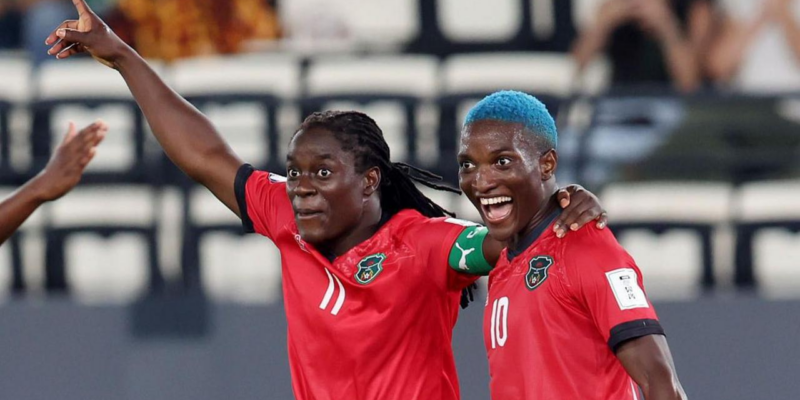
Nigeria’s WAFCON 2026 opened with a 3-2 defeat to Malawi, and they are debutants ranked 153rd in the world. Temwa Chawinga inspired the victory with two goals, and her sister Tabitha added one more. It was a rare opening-match defeat for the Super Falcons, and it set off a chain reaction.
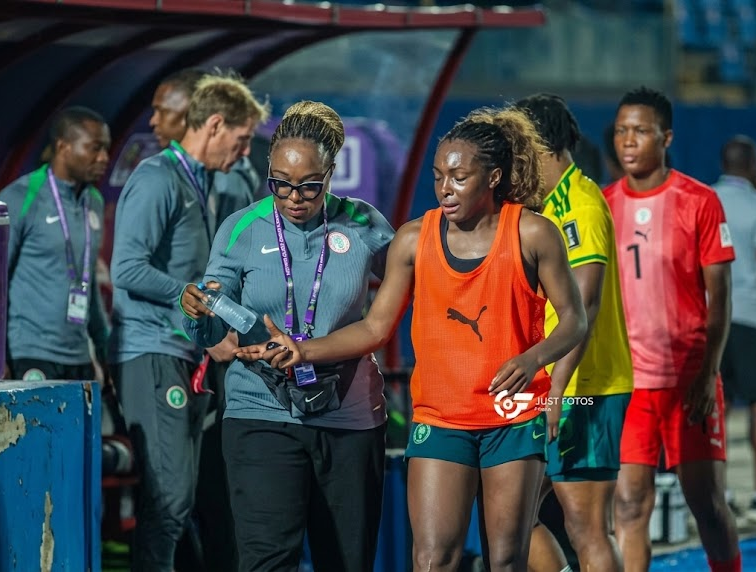
Nigeria scraped through the group on a three-way tiebreak with Malawi and Zambia before putting six past Egypt. They then ran into Cameroon’s Michaely Bihina in the quarterfinal, who made nine saves in a 1-0 defeat that ended Nigeria’s title defense before the semifinals for the first time ever.
A playoff defeat to South Africa followed days later. With it came a shocking outcome. Nigeria will not be at the 2027 World Cup. This marks the first time the country has missed the tournament since it began in 1991.
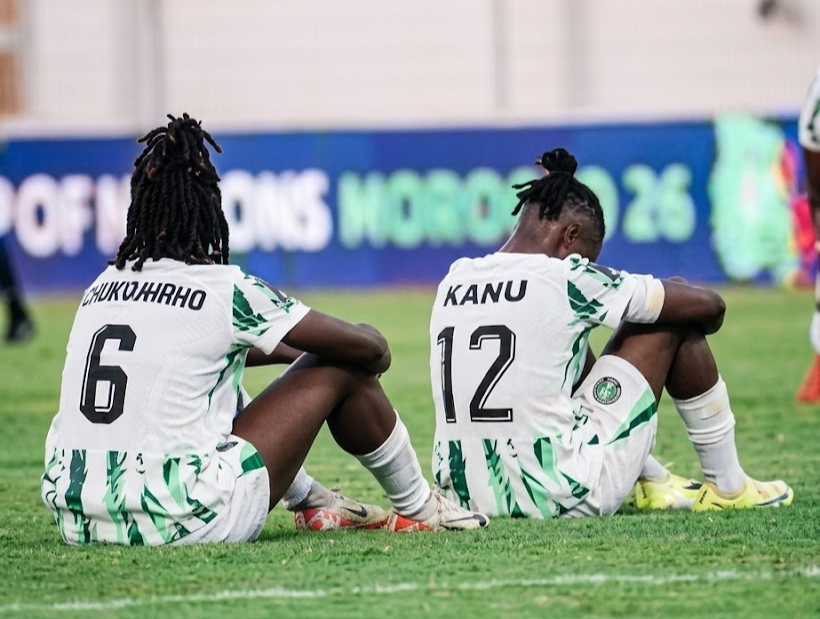
The federation has since apologized publicly and formed a fact-finding committee to work out what went wrong. But the more uncomfortable reality is the chain of events that preceded the tournament. The NFF pretends to be oblivious to this situation. Four friendlies against Ghana, Cameroon, and Equatorial Guinea were canceled. Head coach Madugu has since been sacked. Meanwhile, the National Sports Commission is calling for the resignation of Ibrahim Gusau, the president of the federation.
Whatever the eventual verdict on players, coach, or federation, what defined Nigeria’s performance at this WAFCON is simple. An eleventh title chase ended in the quarterfinal. This occurred for the first time in history.
Malawi’s Fairytale That Had a Five-Year Head Start
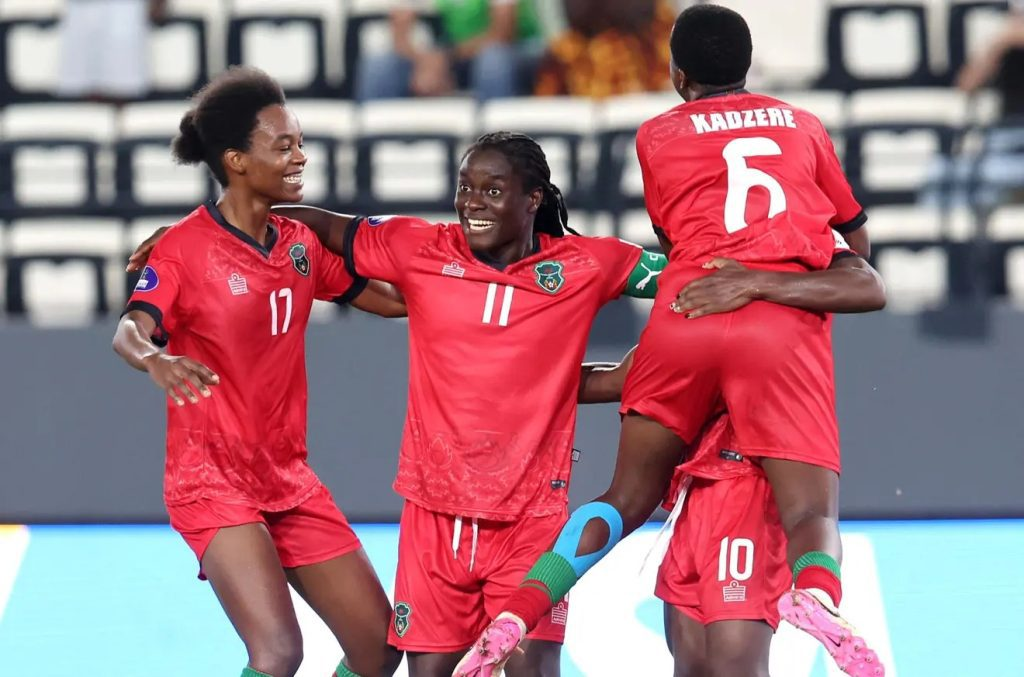
Malawi’s run to the final looked, from a distance, like a one-way miracle. But it wasn’t. What we saw in Morocco is five years of infrastructure work finally paying off.
In 2023, a new federation president, Fleetwood Haiya, took charge of Malawian football, and the same year, the Scorchers, driven largely by Temwa Chawinga’s nine goals in five games, won their first-ever trophy, the COSAFA Women’s Championship.
From that moment, the federation decided to reorganize the entire Malawi Women’s National Team. In line with the new development, the women’s team began training and playing together in every FIFA international window, and the federation guaranteed them equal pay to the men’s side for tournament wins and appearances.
In 2025, the women’s team played a record eight international friendlies. The women’s football manager brought in to help oversee that shift, Blandina Mdebwe, took up her post the same year.
None of that guaranteed Malawi a WAFCON final. What it did was make sure that when Temwa and Tabitha Chawinga, now stars in the NWSL and at Lyon, respectively, were both available, the team around them was ready to ride on their brilliance.
Malawi beat Nigeria in the group stage. They then went through on a tiebreak ahead of Zambia. They eliminated Ghana in the quarterfinal. And they beat Algeria 3-1 in the semifinal to become the first Southern African nation ever to reach a WAFCON final. They lost the final itself. But a country that had never previously qualified for the tournament leaves Morocco with the two best players on the continent and a World Cup spot secured.
The Best Team That Didn’t Survive the Maths
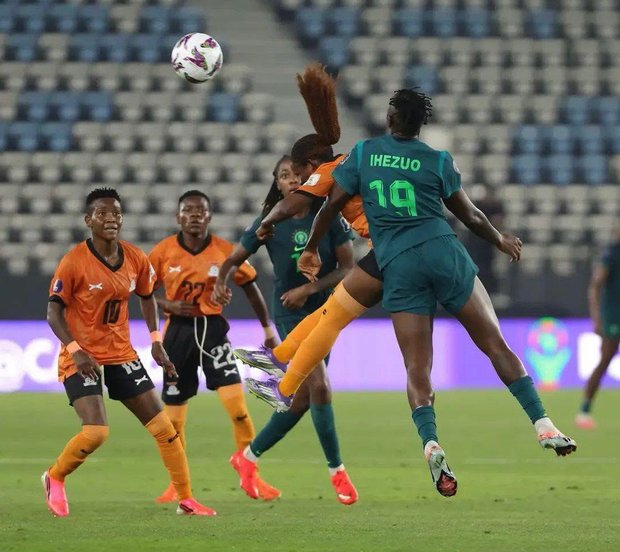
If Malawi were the tournament’s fairytale, Zambia was its cruelest lesson in how African football’s rulebook works. Barbra Banda scored four goals in a 6-0 opening win over Egypt, becoming only the third woman in WAFCON history to score four in a single match, after Nkwocha’s four in that 2004 final and Asisat Oshoala’s four in a 2016 group game.

Zambia finished their group with eight goals scored, only two conceded, and the best goal difference of any team involved in the fight for second and third place in Group C. Nigeria, Malawi, and Zambia all finished level on six points.
Under CAF’s rules, the first tiebreaker among three-level teams is head-to-head results. The next tiebreakers are head-to-head goals scored and head-to-head goal difference. Only after these are overall tournament figures even considered. Zambia’s brilliant overall numbers never entered the calculation.
On goals scored purely among the three tied sides, Malawi had four, Nigeria had three, and Zambia had two. Zambia became the first team in WAFCON history to finish a group stage with six points and still go home. It was, technically, the correct application of Article 74 of CAF’s regulations. It also meant the tournament’s most devastating attacking performance produced nothing but an early flight home.
The Hosts Choke Once Again
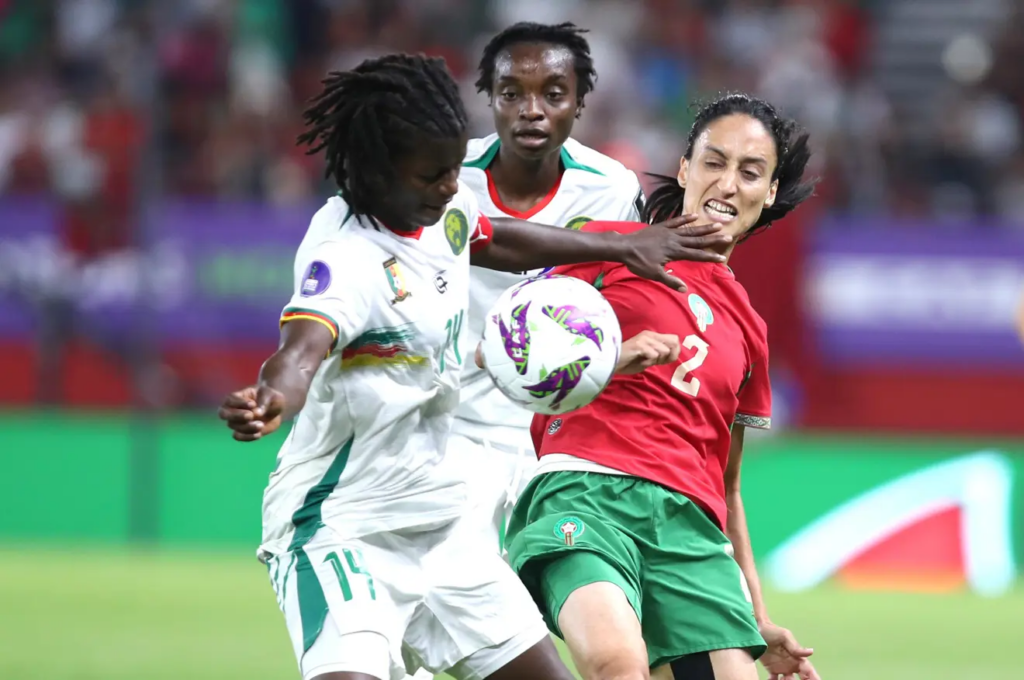
The Atlas Lionesses had lost the 2022 final to South Africa and the previous edition’s final to Nigeria, both on home soil. In 2026, Morocco’s tournament ended in the cruelest possible way. In the semifinal against Cameroon, Fatima Tagnaout had a penalty saved by Bihina in extra time, and the match went to a shootout, which Morocco lost 3-1.
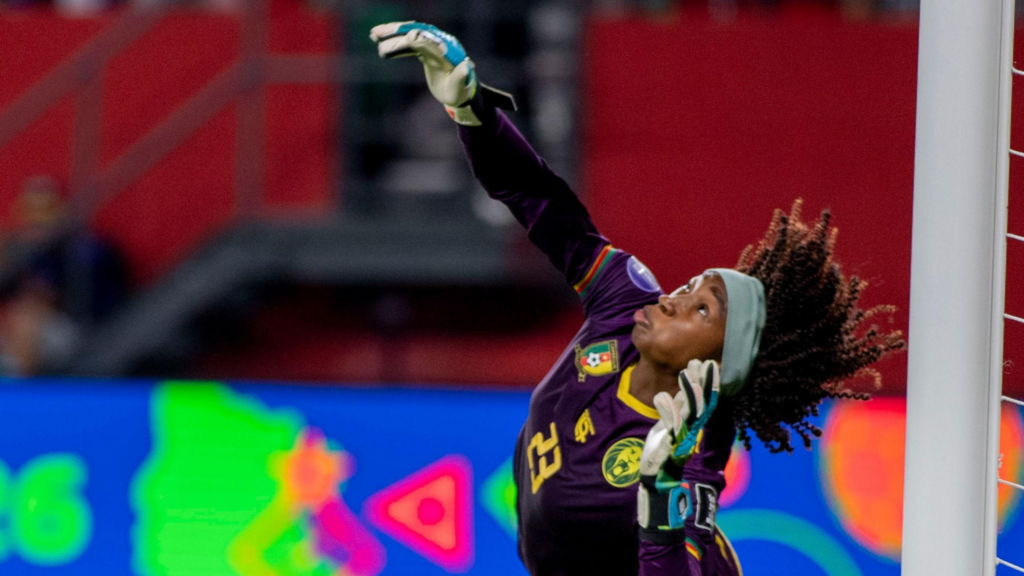
Three days later, in the third-place match against Algeria, Morocco lost another penalty shootout, 3-2, in front of their own supporters. Two shootout defeats in the space of four days, at home, with something so valuable on the line both times. After three tournaments, the Atlas Lionesses search for a first WAFCON title continues.
The Empty Half of the Story
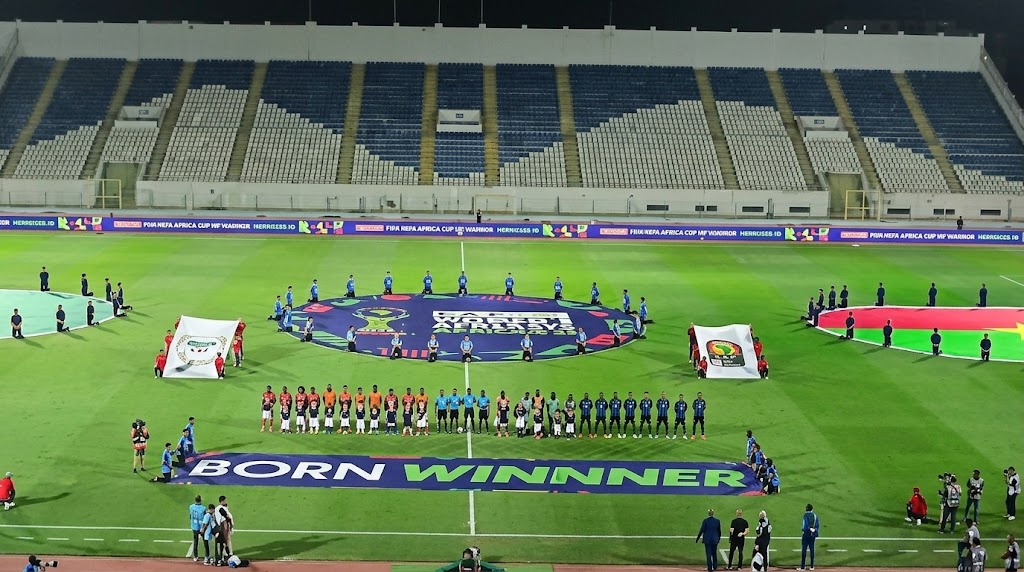
For all the football, fans will also remember WAFCON 2026 for what the stadiums looked like whenever Morocco wasn’t playing. The 2022 final drew more than 50,000 fans to Prince Moulay Abdellah Stadium; this tournament, by contrast, saw matches involving strong sides like Nigeria and South Africa played out in front of stands that were, at best, half full.
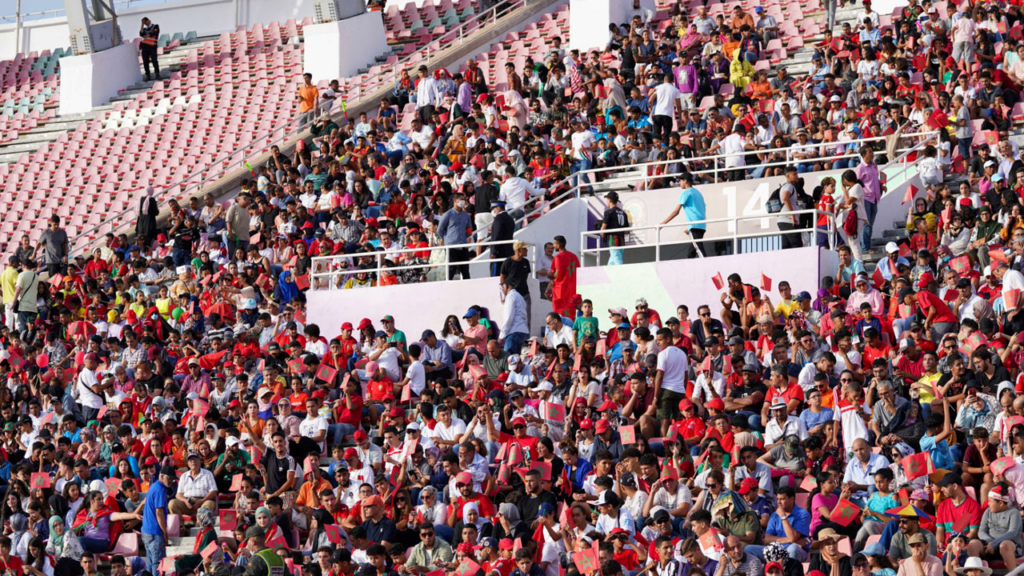
An image circulated by ESPN Africa of a near-empty ground during a historic Nigeria-Malawi match went viral.
It went viral for the wrong reasons, reigniting the tired argument that nobody watches women’s football. However, the real explanation was vivid to anyone looking: little visible promotion in host cities and expensive intra-African travel. Other clear reasons included a recurring journalists’ visa challenge and a tournament CAF had already postponed once, from March to July.
Comparing UEFA’s Women’s Euro 2025—which set an aggregate attendance record above 657,000 fans—is not fair in terms of resources, but it is instructive about what happens when organizers treat infrastructure and marketing as essentials.
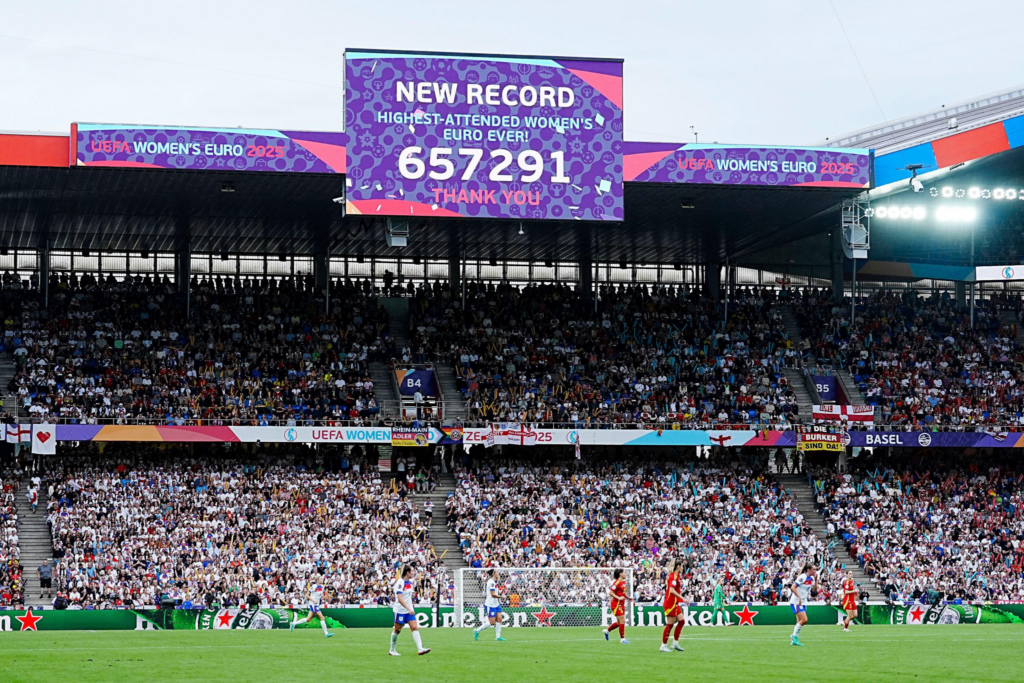
CAF has increased prize money for this edition by a significant margin. It has not yet found a fix for the empty seats. Beyond acknowledging the criticism, it has not put forward a concrete plan to change it before the next edition.
There is also a broader continental story that connects WAFCON to what happened at the men’s World Cup a few months earlier.
Nations that once made up the tournament’s supporting cast are no longer content to be there just to make up the numbers. Malawi has no prior WAFCON pedigree at all, while Cape Verde is reaching the men’s World Cup for the first time.
The gap between Africa’s traditional powers and everyone else is narrowing on both sides at once. This shift is happening faster than some federations—Nigeria’s included—appear to have planned for.
What Brazil 2027 Inherits
By the time Cameroon lifted the trophy in Rabat, the qualification picture for next year’s World Cup already looked unrecognizable from four years ago. Cameroon, Malawi, Morocco, and Algeria all go automatically as the four semifinalists. Meanwhile, Nigeria, the tournament’s most successful side by a distance, faces a long road. They must navigate the intercontinental playoffs just to have a chance of reaching Brazil. This follows their loss to South Africa two days before the trophy lift.
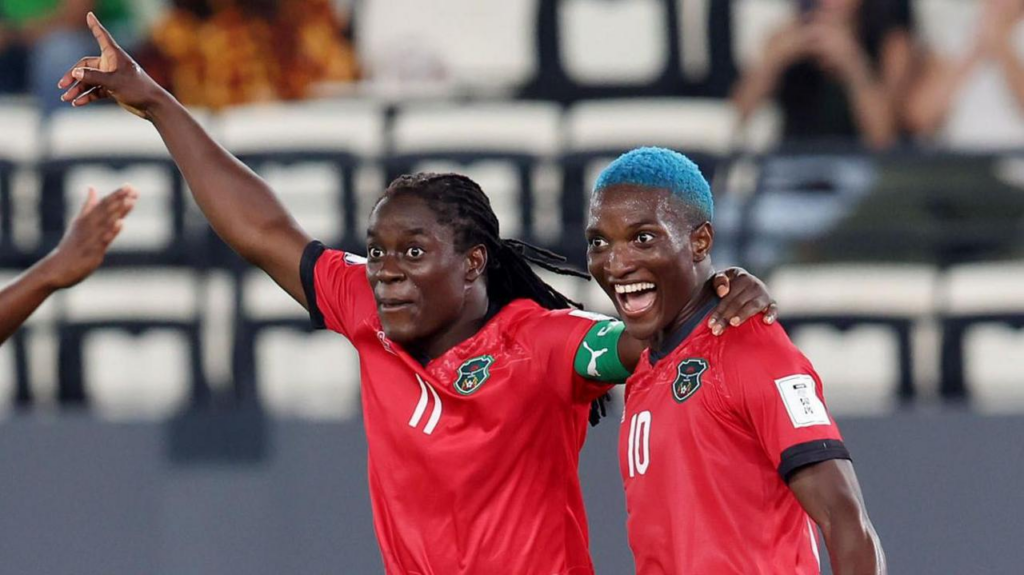
It is tempting to read WAFCON 2026 merely as an upset story: a nation ranked 153rd in the world reaching a final, a giant knocked out by a side that didn’t even qualify on merit, and a host losing on penalties twice in four days.
But the deeper story running underneath all of it is about preparation, investment, growth, and timing. Malawi’s run took three years of a federation taking its own team seriously.
Cameroon’s title win was a 22-year wait ended by a 22-year-old goalkeeper who delivered her absolute best at the right place. And Nigeria’s collapse happened to the one team in the tournament that assumed the past would repeat itself. Dynasties, in football as much as anywhere else, do not last forever.
Who wrote this?

Mahbubat Salahudeen is a Sport Journalist with a primary focus on Youth-Athleticism and women's football.
She is currently pursuing a degree in Media Communications and Public Relations. While much of her experience lies in Sports communications, she has honed transferable skills in strategic communication, audience engagement, and digital media production that transcend industries.
- Mahbubat Salahudeen

- Mahbubat Salahudeen

- Mahbubat Salahudeen

- Mahbubat Salahudeen

- Mahbubat Salahudeen

- Mahbubat Salahudeen

- Mahbubat Salahudeen

- Mahbubat Salahudeen

- Mahbubat Salahudeen

- Mahbubat Salahudeen

- Mahbubat Salahudeen

- Mahbubat Salahudeen

- Mahbubat Salahudeen