



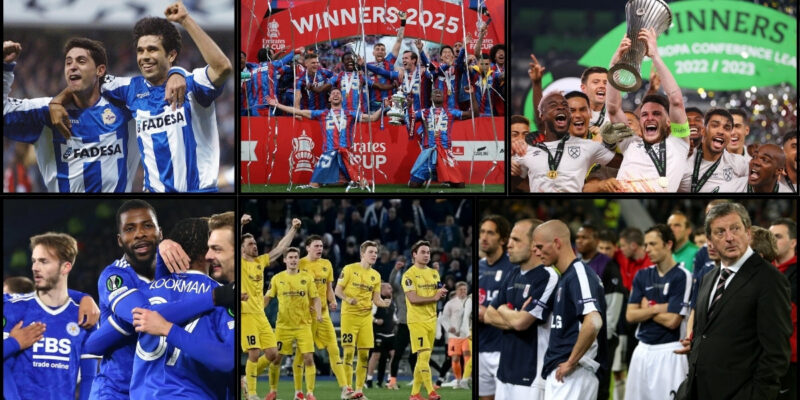
Being a West Ham fan in June 2023 meant witnessing history.
A season earlier, the club qualified for the Europa Conference League, Europe’s third-tier club competition, and a year later, the club achieved a historic feat: claiming its first major European silverware in 57 years. Captained by boyhood hero Declan Rice, the Hammers ended a five-decade trophy drought.
The trophy parade in East London was an elegant watch, a sea of claret and blue submerged the streets as thousands gathered to catch a glimpse of the silverware their team had just won.
With a trophy in the cabinet and a cash prize in the purse, English football fans found the ultimate banter material, using their London rivals, Arsenal.
Everyone was cheerful. West Ham was headed for the Europa League, and if everything remained favourable, a Champions League charge seemed within reach at the end of the season.
Three years down the line, that happiness has faded into the echoes of past glories. West Ham United has finally been relegated to the EFL Championship on deadline day of the 2025/2026 season.
Managerial changes, high-profile player exits, and expensive player acquisitions that haven’t necessarily moved the needle have characterised what has become of the club.
The harsh truth is that West Ham isn’t alone. 80% of small teams follow this exact storyline: a single season in Europe followed by an endless cycle of relegation struggles and domestic decline, before the club can even find its footing again; it takes years.
European competition is not the promised land for smaller clubs in the top 5 leagues. It sounds unfair; no fan would hate seeing their team on the big screen midweek, playing against the big teams, but financially, the maths do not add up.
GCR looks into why qualifying for Europe might be the one wish you shouldn’t ask a genie to grant as a birthday wish if you support a small club.
The Revenue Illusion
UEFA announced in February 2026 that revenue from its men’s club competitions had risen from €3.7 billion to €4.4 billion. The increase drew praise across the game. Less attention went to how that money is shared and what participation in Europe now costs clubs outside the continent’s elite.
The amount UEFA will distribute is €3.3 billion across its three men’s competitions. The UEFA Champions League and Super Cup take €2.467 billion, or 74.4 percent of the total pot. The Europa League receives €565 million. The Conference League gets €285 million, just 8.6 percent of the overall distribution.
Each club first receives a participation fee. Teams in the Champions League are guaranteed €18.6 million. Europa League clubs receive €3.7 million. Conference League participants get €2.8 million before performance-related payments are added.
For clubs from smaller leagues like the Danish League, those guarantees can transform finances because wage bills and operating costs remain relatively low.
The equation changes for clubs from England, Spain, Germany, and Italy, where competing in Europe often demands heavier investment in the squad and higher operating expenses.
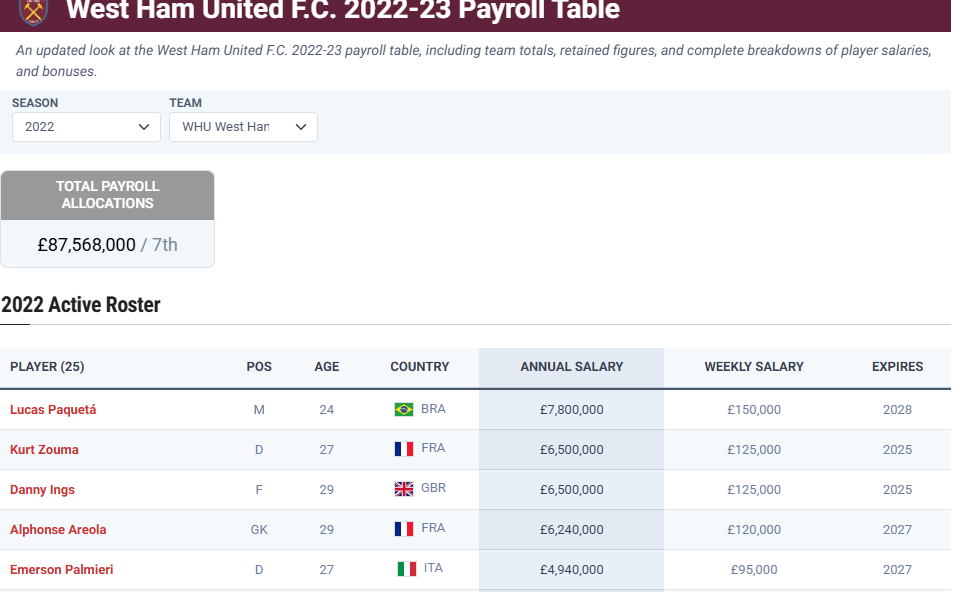
West Ham United provides a useful example. Ahead of the 2022-23 season, the club increased spending to balance domestic competition with a European campaign. Their wage bill climbed to £87 million pounds as they built a squad capable of handling both schedules.
They won the Conference League, but the financial return was modest relative to the investment. UEFA prize money from that run totaled around €21 million euros. At the same time, operating costs rose by roughly £2.5 million, driven largely by travel, logistics, and matchday expenses attached to European competition.
The bigger issue came domestically.
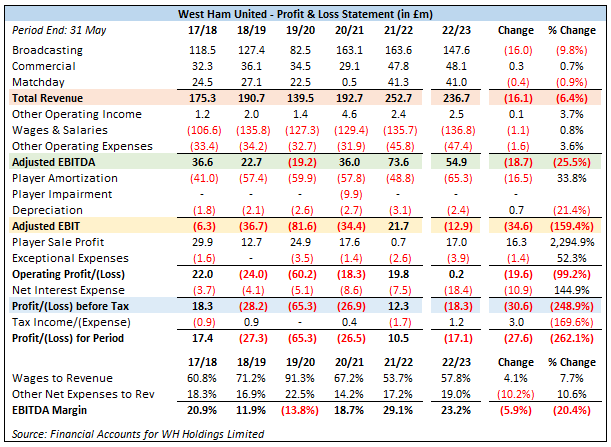
West Ham’s total revenue fell from £252 million to £237 million despite lifting a European trophy. Their Premier League finish explains why.
Premier League broadcast revenue is distributed through three streams. Half is shared equally among all clubs. Twenty-five per cent is allocated through facility fees, which depend on how often a club is selected for television coverage. The remaining 25 percent is distributed through merit payments based on league position.
West Ham finished seventh in 2021-22. A year later, they dropped to 14th. That seven-place decline reduced their merit payment and pushed Premier League revenue down to £141.6 million. By comparison, Aston Villa earned £156.8 million after finishing seventh that same season.
That is the tension at the centre of UEFA’s revenue model. West Ham won a European trophy yet earned only slightly more from that success than the amount lost through a weaker domestic finish. Had they maintained their league position, the financial upside may have exceeded the value of winning the Conference League itself.
For clubs outside Europe’s established elite, qualifying for continental competition increasingly carries risk alongside prestige. The revenue grows every year. So does the gap between what UEFA pays out and what clubs must spend to compete.
Asset Stripping in the Transfer Market
Hawks are unforgiving birds. They circle high in the sky, waiting for a mother hen to lose sight of her chick. One lapse in concentration and the hawk swoops down, and the chick is gone before the mother can react.
Big clubs operate like hawks. Every summer, they hover around smaller clubs in search of players ready for the next big move. Trophies, bigger wages, and status test the resolve of even the most loyal players.
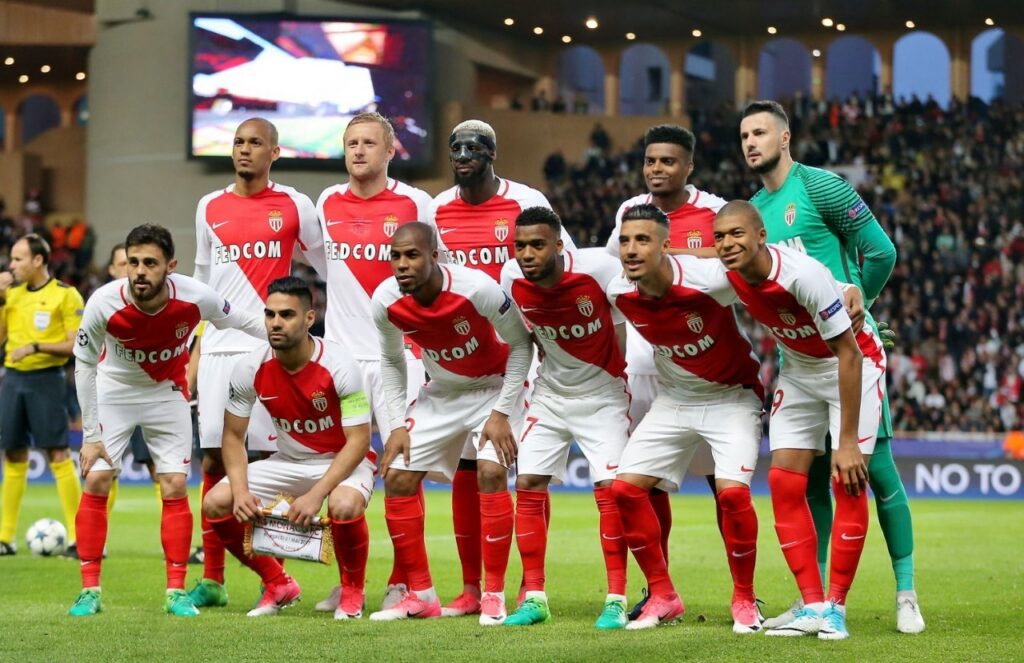
AS Monaco FC experienced that reality after one of the greatest seasons in the club’s history. Monaco won Ligue 1 in 2017 and reached the Champions League semi-finals playing fearless, aggressive football under Leonardo Jardim.
Their collapse began almost immediately after. Kylian Mbappé, Fabinho, Benjamin Mendy, Bernardo Silva, Thomas Lemar, and Tiémoué Bakayoko all left within two years, for a combined fee of around £340 million.
Monaco never recovered from losing the spine of that side in one window.
The club spent four years outside the Champions League and two seasons entirely out of Europe. During that stretch, they skirted relegation and dismissed Thierry Henry after only 20 matches as manager.
Money arrived from the sales, but replacing elite players proved far more difficult. Monaco spent heavily in response and ended up with a bloated squad assembled without much connection.
Recruitment for the French club became reactive instead of targeted.
It was not new territory for them either. The same pattern followed Monaco’s run to the 2004 Champions League final. That squad was dismantled, too, and the club spent years trying to rebuild what it had lost.
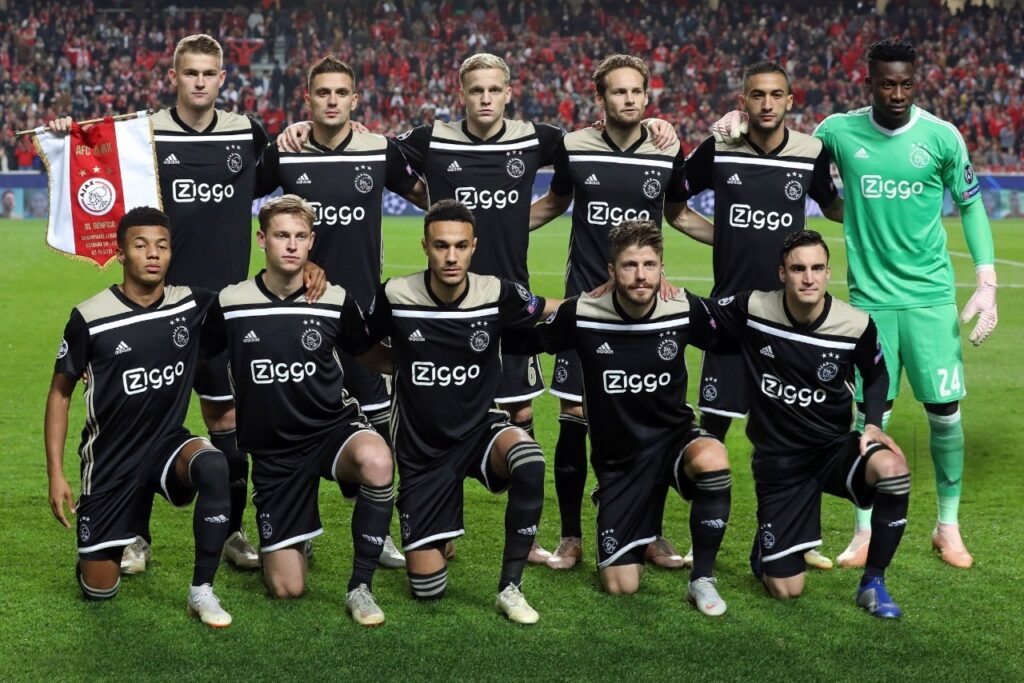
AFC Ajax faced a similar problem after reaching the Champions League semi-finals in 2019. Matthijs de Ligt, Frenkie de Jong, and several others left soon after for Europe’s biggest clubs.
For elite sides, it is the safest form of recruitment. European competition exposes young players to higher-level football and places them directly under the spotlight. By the time those players move, they already carry experience against top opposition. The adjustment period becomes shorter, at least in theory.
Player trading itself is not inherently bad. SL Benfica has built an entire model around it. The Portuguese side has generated hundreds of millions in transfer profit over the last decade by identifying talent early, developing players, and selling at the right time. Operating in a less demanding league also gives them room to reset without completely falling away competitively.
Problems begin when smaller clubs can no longer replace outgoing players at reasonable prices.
Teams and academies across less fashionable leagues now understand how much money flows through UEFA competitions. Young talent is valued differently because selling clubs know richer sides have access to larger revenues. Replacements cost more, even for clubs that have just received major transfer fees themselves.
Constant change also damages continuity. Rebuilding a quarter of a squad every summer affects chemistry, understanding, and tactical consistency. Unless the manager is exceptional, performances usually suffer, and even managers do not have that much longevity on the job to assemble new teams season in season out any longer.
Also, the judgment of the Court of Justice of the European Union in the Lassana Diarra legal case could push this instability even further. The court, in its decision, found parts of FIFA’s transfer regulations too restrictive, particularly around contract termination.
The ruling shifts more power toward players and may make it even harder for smaller clubs to keep successful squads together long enough to build sustained success.
The Thursday-Sunday Syndrome
Nothing exposes a squad quicker than playing every three days. European football stretches teams to their limits, especially clubs without the depth to rotate consistently across a long season.
Fixture congestion affects every side. The difference is that elite clubs are built to survive it. Bigger squads, stronger benches, and larger budgets allow them to absorb injuries without suffering major drops in performance. Smaller clubs rarely have that luxury.
According to insurance broker Howden, Europe’s top five leagues recorded 22,596 injuries over the last five years, costing clubs £2.97 billion in wages paid to unavailable players. Premier League clubs accounted for 24 percent of those injuries, with more than £1 billion spent on injured players alone.
The clubs most vulnerable are often those balancing domestic football with European competition.
A team competing in Europe while also progressing in domestic cup competitions can easily play more than 50 matches in a season, excluding time accrued on international duty. Recovery windows become shorter, fatigue increases, and ultimately, performance levels fall.
In the Premier League, the strain becomes even harsher.
Mid-table sides face intense opposition almost every weekend, leaving little room for recovery or tactical preparation. Maintaining high intensity twice a week across an entire campaign is difficult for any squad. For smaller clubs, it can derail a season completely.
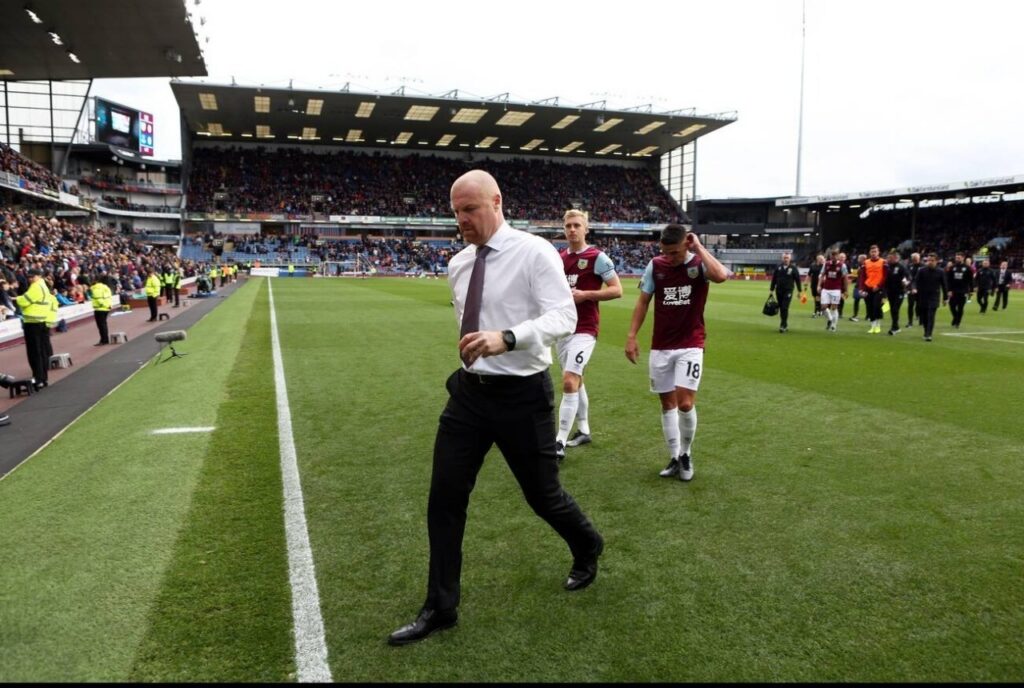
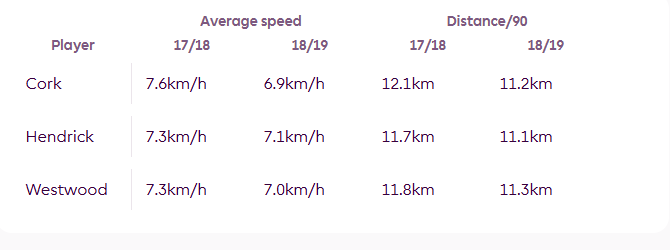
Burnley F.C. experienced that reality during the 2018/19 campaign after qualifying for the Europa League the previous season. The added six matches from the qualifying rounds disrupted preparation time and placed extra physical demands on the squad. Burnley eventually dropped to 15th in the league after finishing seventh a year earlier.
Manager Sean Dyche was left with less time on the training ground to prepare for league opponents. That mattered because Burnley’s success relied heavily on defensive structure, organisation, and tactical discipline.
The physical decline was also visible in midfield. Jack Cork, Ashley Westwood, and Jeff Hendrick had driven Burnley’s intensity on the field the previous season. A year later, the same energy and aggression had dropped noticeably under the weight of a congested schedule.
Dyche echoed those sentiments during their 4-2 defeat to Fulham in August 2018, in his remarks, the team played very flat, and the noise of Europe affected their performance.
Victims of The UEFA Coefficient System
UEFA club competition qualification is built around a coefficient system split into two categories: association coefficients and club coefficients. These rankings determine tournament seedings, the number of European spots each country receives, and how UEFA prize money is distributed.
Association coefficients are calculated using the combined results of clubs from the same country in the Champions League, Europa League, and Conference League.
Club coefficients focus on individual performance over a five-year period. Teams collect points through results and qualification for later rounds. UEFA also guarantees clubs at least 20% of their country’s coefficient, which protects sides from stronger leagues even if they have limited European history.
Although the system creates structured seedings, criticism has grown around how heavily it favors Europe’s biggest leagues.
The expanded 2024/25 Champions League format, tied closely to association rankings, gives bigger football nations more access to European places and revenue. Smaller leagues in Europe risk being pushed further behind as elite clubs continue benefiting from easier draws, larger financial rewards, and repeated qualification.
Recent performance also carries huge significance. One poor campaign can affect a country’s ranking for years, reducing future European opportunities for clubs from that league.
Seedings are another major advantage for established sides. Clubs with stronger coefficients are placed in higher pots, avoiding many difficult opponents in the early stages. Teams like Real Madrid and Bayern Munich regularly benefit from this protection, which automatically increases their chances of deep runs in UEFA competitions.
Higher-ranked clubs can also gain second-leg home advantage in knockout ties.
The financial gap widens further through UEFA’s prize distribution model. Clubs with stronger long-term coefficients receive larger payments, allowing them to reinvest in transfers, wages, and infrastructure. That creates a cycle where Europe’s richest teams continue growing stronger, while smaller clubs struggle to compete after brief appearances in those competitions.
Who wrote this?

Francis Muojindu is a law graduate, journalist, and writer who is always seeking to amplify African Voices in sports.
He primarily covers football, basketball, and athletics with good knowledge of other sports.
When Francis is not bantering with friends, he is on the search for the latest news flying across the globe.
- Francis Muojindu

- Francis Muojindu

- Francis Muojindu

- Francis Muojindu
- Francis Muojindu

- Francis Muojindu

- Francis Muojindu

- Francis Muojindu
- Francis Muojindu

- Francis Muojindu