

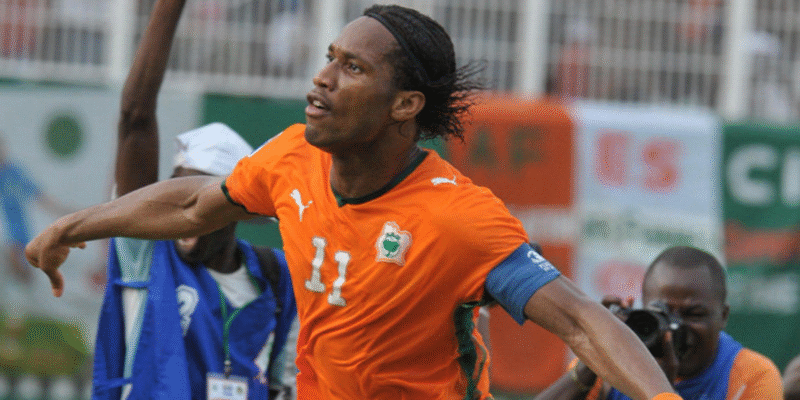
From the early 2000s to mid-2010s, Côte d’Ivoire went from a regular team to one that aimed for bigger goals.
During this era, Côte d’Ivoire possessed a rich pool of world-class talents. While this brought one of the most exciting periods for the nation, it remained a bittersweet chapter in its history.
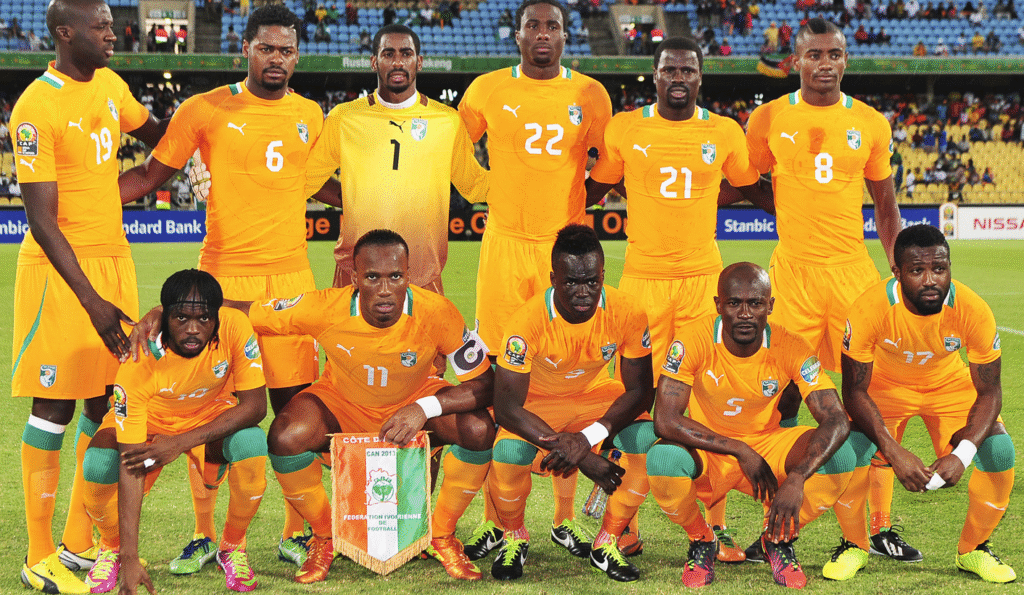
Didier Drogba, captain and top striker, led by example and was their main goal source. Yaya Toure, another standout player, was a smart and creative midfielder because of his full understanding of football.
Kolo Toure was the main defender for the Elephants, with Salomon Kalou, Gervinho, and Didier Zokora playing important roles in the team’s success.
Despite elite players, trophies remained elusive. This special group of players did not win any big trophies, and sometimes did not play as well as expected.
Let’s explore how the Ivory Coast’s golden generation carried the nation’s hopes. Yet, as we will see, talent wasn’t always enough.
A Period of Unfulfilled Potential
Before 2006, Côte d’Ivoire occupied an unremarkable position in football. The nation was neither a formidable presence nor a point of focus for fans.
Africa’s established giants, Egypt, Nigeria, and Cameroon, dominated the conversation about continental supremacy and bragging rights.
In this environment, Côte d’Ivoire stood miles away from these conversations, with very little to look forward to in terms of glory and high expectations.
History showed a tough reality. In forty years, Côte d’Ivoire has won one major trophy, the African Cup of Nations in 1992.
The triumph was achieved on home soil after a penalty shootout victory over the Black Stars of Ghana.
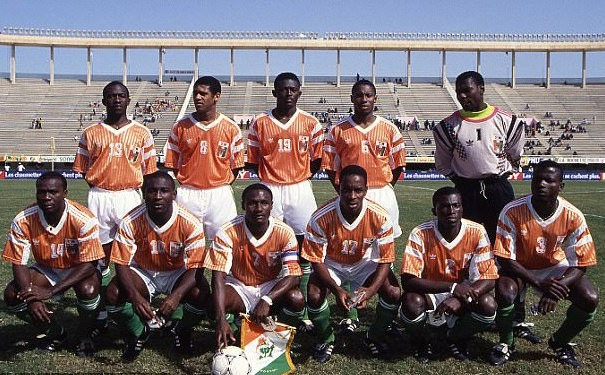
This glory, however, failed to serve as a foundation for the nation to build upon, with no significant achievements or qualifications in subsequent years.
Their inability to qualify consistently for the World Cup was their major disappointment and a feat that highlights the structural weakness of the national team setup.
While Nigeria reached the 1994, 1998, and 2002 World Cups, and Cameroon made the tournament in 1982, 1990, 1994, 1998, and 2002, Côte d’Ivoire watched from the sidelines as they were unable to match the brilliance of its continental rivals.
On the continental stage, the Elephants fared better. They exerted commendable effort towards progressing far in continental tournaments, but when matched against Africa’s top nations, they were often toppled in high-stakes matchups.
Côte d’Ivoire possessed a fair share of talented individuals during this period, but they never functioned as a collective unit most of the time.
Coaches rotated, formation changed, and administrators pondered what could be done to improve the team’s performance, but nothing really changed.
This culture of underachievement persisted until a new generation of players began to emerge from Europe’s top clubs, signalling a potential turning point.
A New Dawn Beckons
While Côte d’Ivoire went unnoticed in the 1990s and early 2000s, something special was happening far away.
A new generation of Ivorian players was growing and flourishing in Europe’s most prestigious clubs, and they were about to change everything.
Central to this change was ASEC Mimosas, Abidjan’s most celebrated football academy.
From this humble talent factory, an extraordinary pipeline emerged, regularly sending Ivorian prospects into European football.
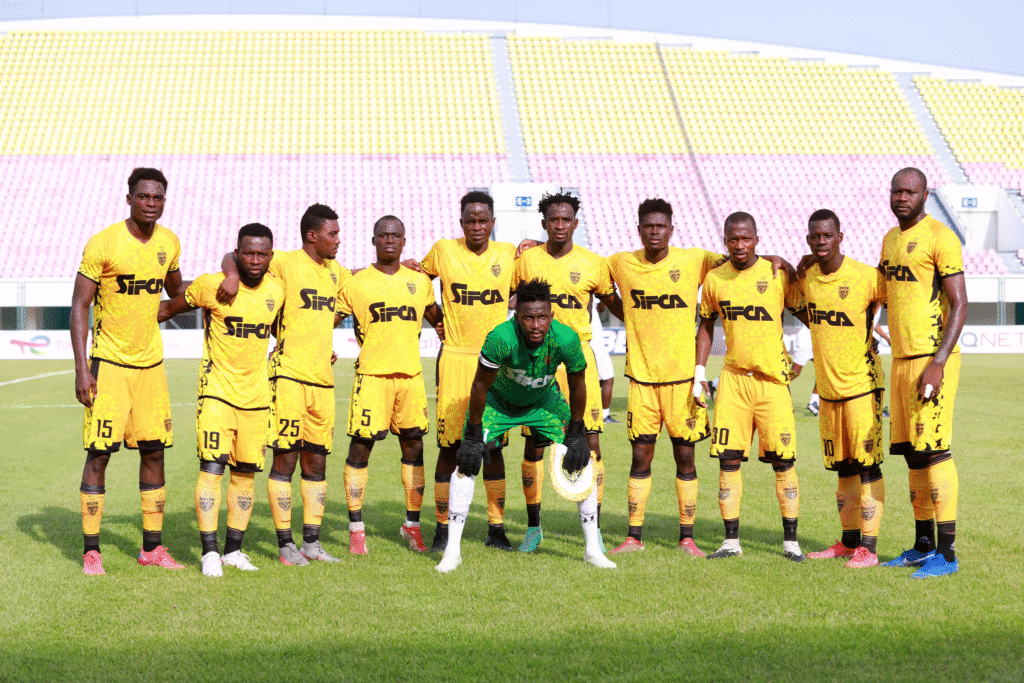
Players from this academy later became the core of the Golden generation that made the nation one of the top in Africa.
Kolo Toure led the charge when Arsenal signed him from ASEC Mimosas in February 2002 for a bargain fee of £150,000.
After wasting no time settling at the club, Kolo Toure became a key defender in Arsene Wenger’s Premier League Invincibles title-winning side in 2003/04.
His younger brother, Yaya Toure, took a longer route. He arrived in Europe with Belgian side Beveren, followed by a move to Ukrainian outfit Metalurh Donetsk.
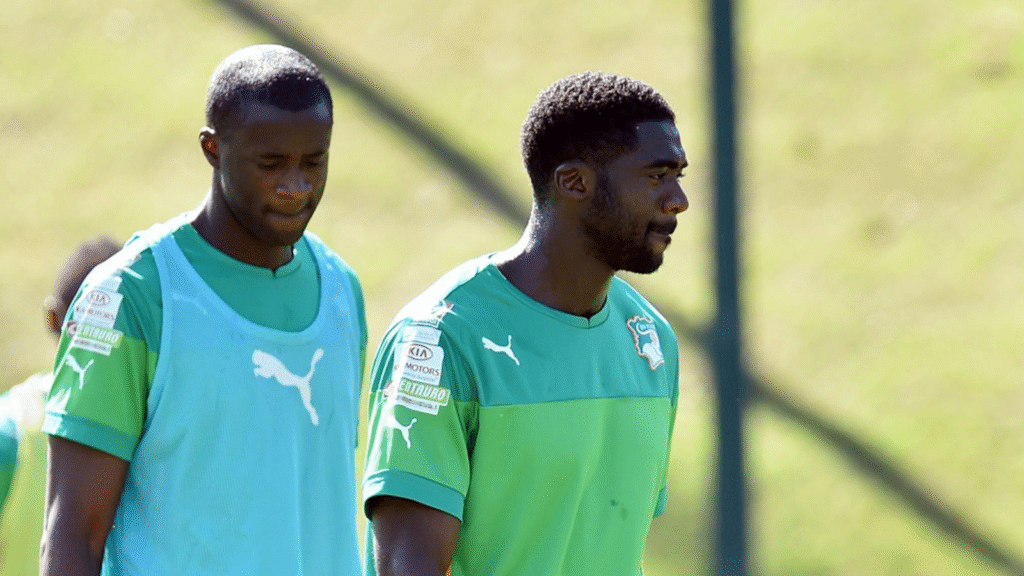
Emmanuel Eboue followed a similar path. He moved from ASEC Mimosas to Beveren before joining Arsenal in 2004. He became a strong right-back ready for top European football.
Didier Drogba was the undisputed figurehead of this fresh group of Ivorian talents. He announced himself in Europe with Olympique de Marseille before Chelsea signed him in 2004 for £24 million.
Defensive midfielder Didier Zokora brought grit and tenacity from Saint-Étienne. Arthur Boka developed into a reliable left-back at Strasbourg.
Salomon Kalou arrived a bit later, gaining attention after playing well at Strasbourg, before Chelsea signed him. A teenage Gervinho arrived with his raw pace and flair at Beveren and later Lille.
Individually, these players competed at the summit of European football. Collectively, they represented a generation that Côte d’Ivoire had never seen before.
Announcing Themselves To The World in 2006
The year 2006 was a pivotal year for Côte d’Ivoire, as the nation was no longer a team that could be overlooked on the biggest stage.
This calendar year saw the Ivorians feature in two prestigious competitions and signalled that the golden generation has arrived.
In January, the African Cup of Nations in Egypt brought optimism among Ivorians, eager to compete with elite African teams.
They reached the final in Cairo, facing Egypt, a serial winner with passionate home support from 80,000 fans.
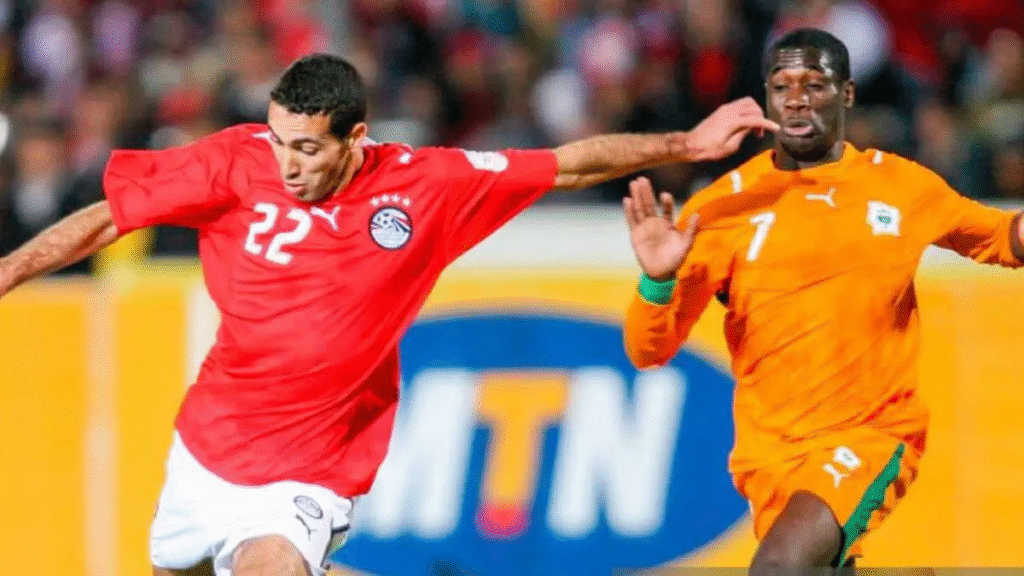
The final was a tense, end-to-end contest that finished goalless after extra time. The final headed to a penalty shootout, and Egypt edged Côte d’Ivoire 4-2 to secure yet another continental crown.
David Zokora expressed the squad’s frustration in a post-match interview, stating, “Penalty shootout or not, we lost. We are really disappointed, but we had a good tournament”.
Four months later, Germany hosted the FIFA World Cup and Côte d’Ivoire made history by participating in the competition for the first time.
The draw placed the debutants in the toughest group of the tournament. Group C featured powerhouses like Argentina and the Netherlands, with Serbia and Montenegro completing the four nations in the group.
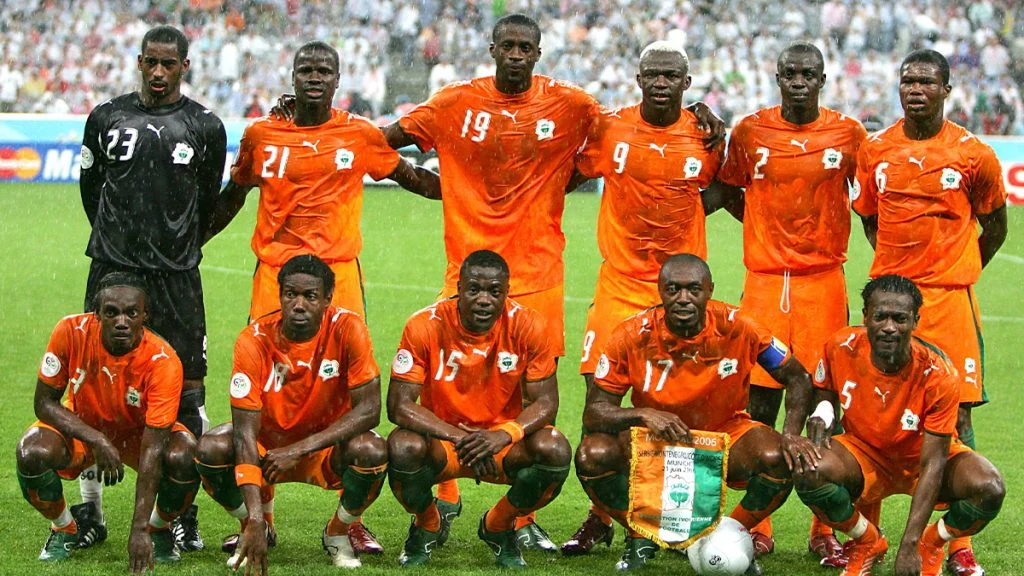
Few expected the Ivorians to advance, and Argentina justified doubts with a 2-1 win. The Netherlands added another defeat, erasing any hope of progressing.
Despite trailing by two goals and facing elimination in their final group game, the Elephants persisted.
They pulled one back, levelled the match, and Bonaventure Kalou struck late to seal a memorable 3–2 comeback victory.
This performance was a resilient show of character, as Côte d’Ivoire secured its first-ever World Cup fixture win.
Their point total meant they finished third in their group, which was not enough to keep them in the tournament.
2008 to 2011: Nothing to Write Home About
Ivory Coast’s 2006 momentum crashed into tournament reality. Despite the rich pool of talent, the years that followed brought frustration mixed with administrative turbulence that hampered the player’s overall output.
Transitioning to the 2008 Africa Cup of Nations in Ghana, chaos ensued before the tournament even began.
Head coach Uli Stielike left his role due to a family health crisis involving his son, leaving co-trainer Gerard Gili to fill in for the departing Uli.
Didier Drogba, Chelsea’s cornerstone, became a player-coach with an unprecedented responsibility.
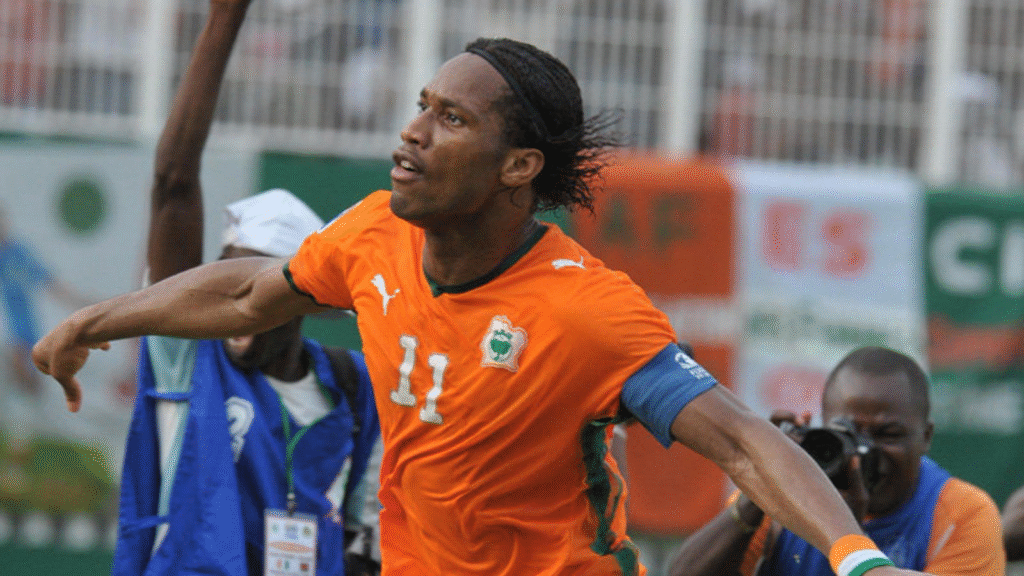
Drogba’s gesture did little to affect the eventual outcome of Côte d’Ivoire’s outing during the competition, as they lost to the tournament’s host, Ghana, 4-2 in the quarterfinals.
Moving forward to the next Africa Cup of Nations, held in Angola, Côte d’Ivoire’s squad appeared formidable on paper.
After advancing from the group stages, Côte d’Ivoire’s next fixture was against Algeria. The match proceedings went in Côte d’Ivoire’s favour early on after Salomon Kalou gave them the lead.
Abdulkader Keita scored with a minute remaining in normal time to restore their lead. They failed to preserve their lead late on, with Algeria levelling the scores at 2-2.
Hamer Bouazza broke Ivorian hearts in extra time when he gave Algeria a 3-2 lead, which turned out to be the winner and condemned the Ivory Coast to elimination.
Later, at the 2010 FIFA World Cup in South Africa, Côte d’Ivoire again faced a challenging group, with Brazil, Portugal, and North Korea.
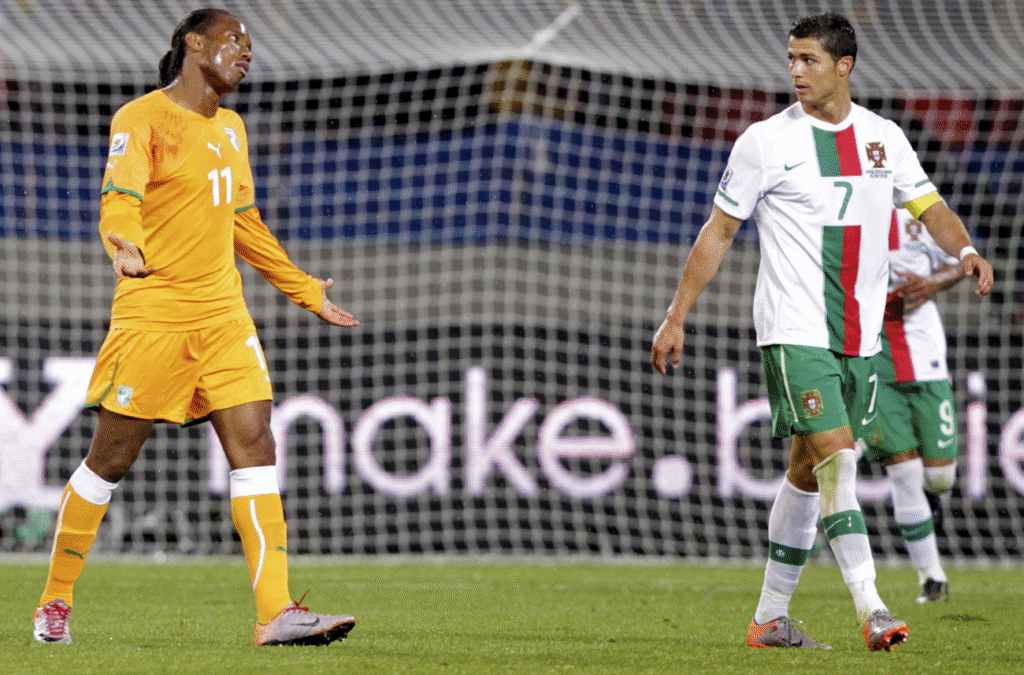
A draw, a narrow loss, then victory. Portugal’s draw sank the Ivory Coast’s hopes. This elimination meant that this was the Ivorians’ second successive group stage exit at the World Cup.
Three tournaments, three quarterfinal or group stage exits—they were failing to meet expectations despite the talents at their disposal, and something had to change.
2012: A Heartbreak Made in Zambia
The 2012 Africa Cup of Nations marks a pivotal moment in Côte d’Ivoire’s history for several reasons.
The final match, held on February 12, 2012, in Libreville, Gabon, brought together a star-studded Ivorian squad and a Zambian side ranked 71st in the world.
To grasp why this final was so significant even prior to kickoff, it is necessary to revisit a tragedy from 1993.
On April 27, an Air Force flight carrying Zambia’s national team crashed into the Atlantic after leaving Libreville, killing all 25 passengers and five crew.
Nearly two decades later, the Zambians returned to the same city where the crash had occurred to compete for a crown they had never won before.
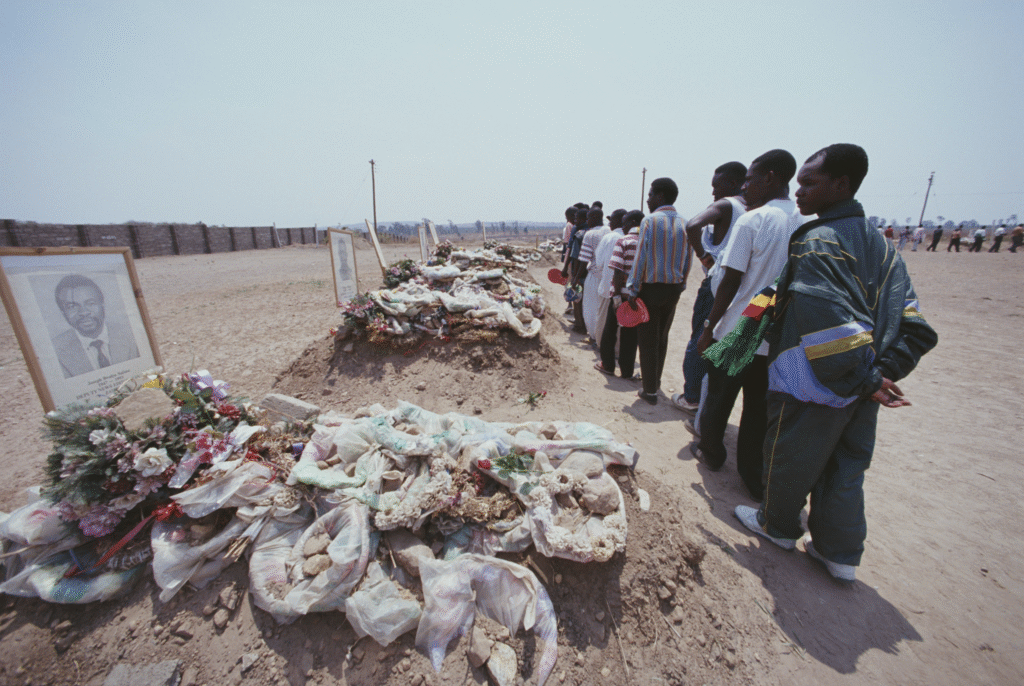
Two days before the final, the sole survivor of the 1993 squad, Kalusha Bwalya, who missed the flight by chance, accompanied the squad to the crash site to pay their respects.
The Chipolopolo exceeded expectations en route to the final. Meanwhile, Côte d’Ivoire reached the final without conceding a single goal.
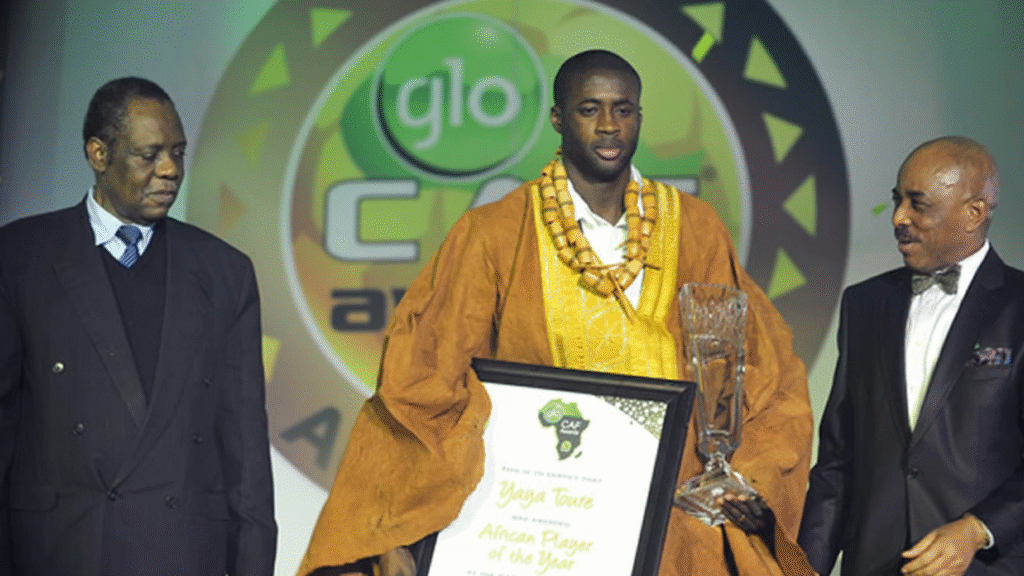
Yaya Toure, who received the African Player of the Year award a few months prior, was a key player for the Ivorians.
In the final itself, both sides tested each other’s stamina and willpower throughout a gruelling 120 minutes of end-to-end action.
Drogba had the chance to win the game when Zambia gave away a penalty in the 70th minute, but blazed his effort over the bar.
After regular and extra time left the score unchanged, the winner would now be decided by a penalty shootout.
Côte d’Ivoire faltered in the shootout as Kolo Toure and Gervinho missed. Stophira Sunzu successfully converted Zambia’s decisive penalty kick, culminating in celebration for the Chipolopolo.
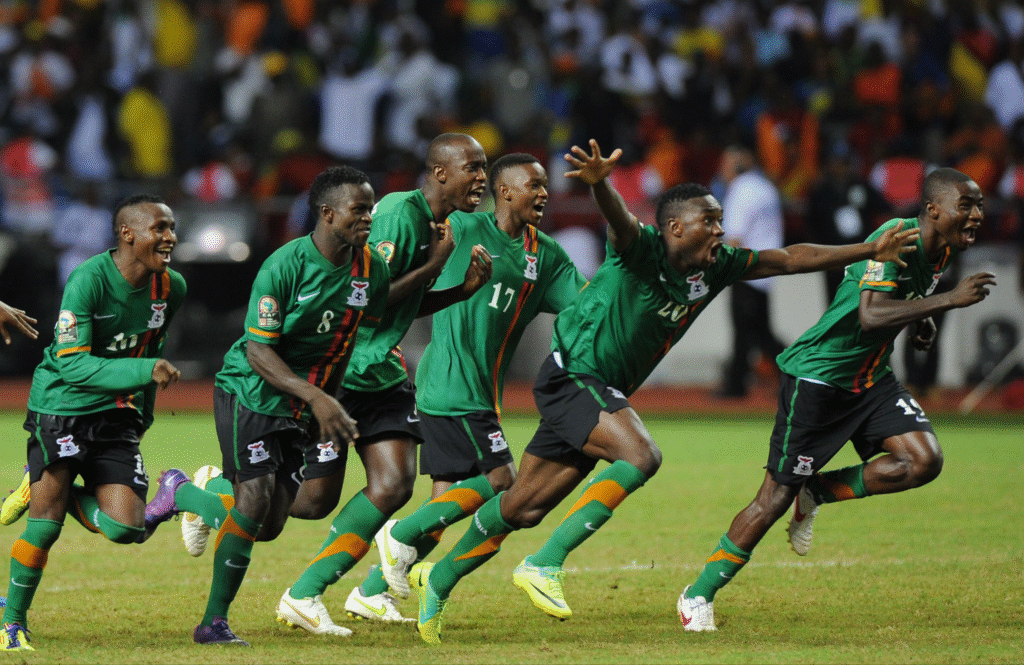
The outcome of the final left Côte d’Ivoire confronting an unbearable question of whether this golden generation will ever win anything.
2012 – 2014: Finding Their Feet
The defeat to Zambia in 2012 hit hard, and Côte d’Ivoire responded by making significant administrative changes with the strong intent to put together a title-winning side.
The Ivorian Football Federation (FIF) appointed former French International, Sabri Lamouchi, as head coach in 2012.
The 2013 African Cup of Nations in South Africa brought hope that Côte d’Ivoire could win the continental crown.
Old weaknesses emerged against Nigeria, undermining Côte d’Ivoire’s claim to superiority.
The Super Eagles ended the Ivorians’ campaign, winning 2-1, courtesy of goals from Emmanuel Emenike and a stunning strike from domestic league midfielder Sunday Mba.
Nonetheless, Lamouchi’s integration of promising youth signaled incremental progress, with Wilfried Bony emerging as Drogba’s logical successor.
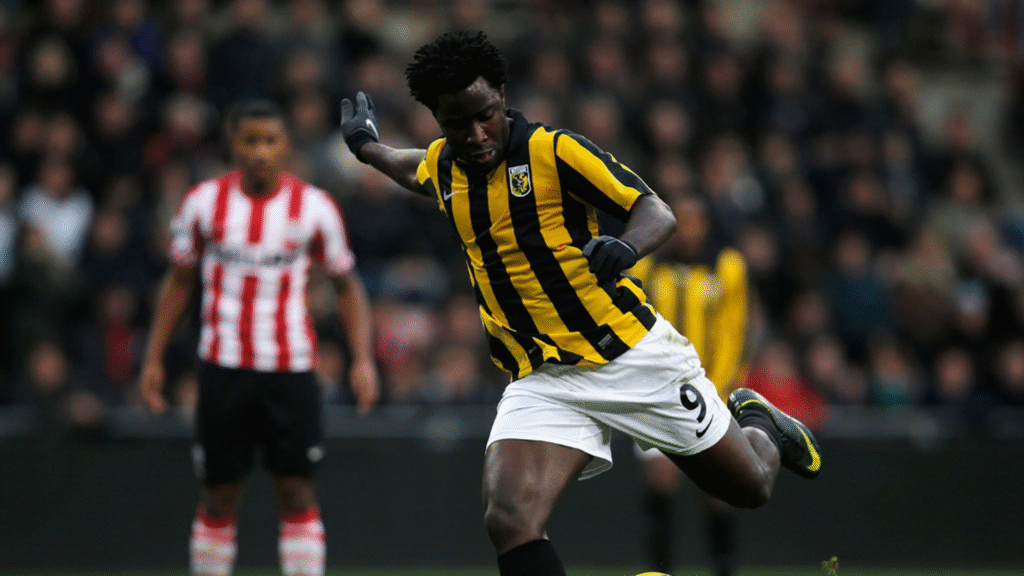
In the 2012–2013 National League season in the Dutch Eredivisie, Bony scored 31 goals for Vitesse Arnhem before joining Swansea City.
Serge Aurier also came into the fold, arriving as a combative attacking right-back.
The 2014 FIFA World Cup in Brazil gave Côte d’Ivoire a chance to advance further in the tournament.
Côte d’Ivoire fought back to defeat Japan 2-1 in their opening match of the tournament, in which Wilfried Bony scored twice.
In the following fixture, they lost 2-1 to Colombia, leaving qualification in the balance and setting up a high-stakes final group stage match against Greece.
Kolo and Yaya Touré started that match, days after their brother Ibrahim passed away, showing courage that moved everyone.
With the score tied 1-1 at stoppage time, Côte d’Ivoire seemed poised for its first knockout stage appearance.
Then, Giovanni Sio gave away a careless penalty, and Georgios Samaras converted it to eliminate the Ivorians in the group stage for the third consecutive World Cup.
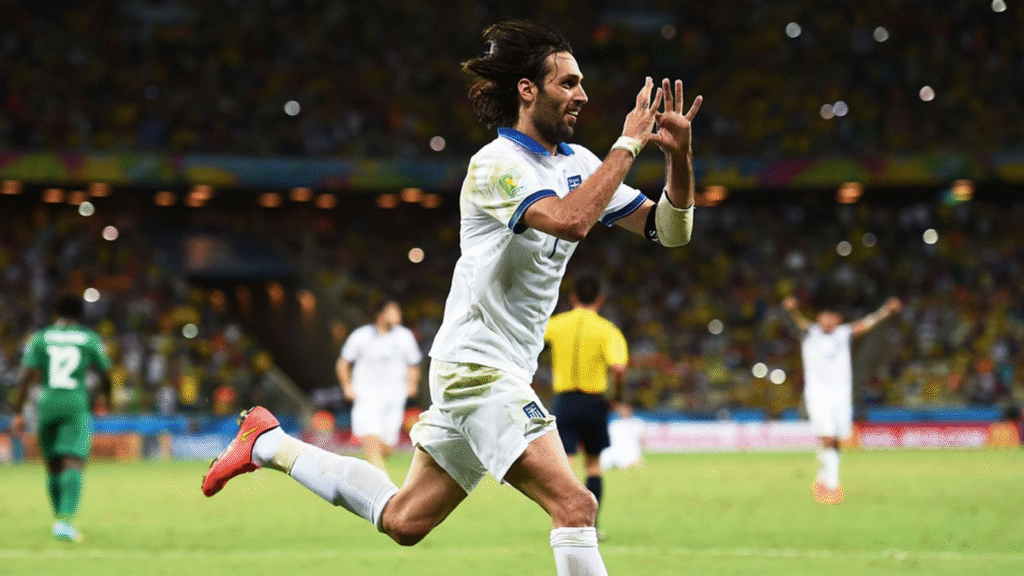
Brazil was Drogba’s last World Cup, and the generation was aging with nothing to crown their efforts.
AFCON 2015: Golden Redemption at Last
Football consistently delivers extraordinary stories, and Côte d’Ivoire was destined to create an exciting new chapter in its history.
As the tournament approached, events unfolded that went beyond football affairs, setting the stage for greater drama.
Morocco, initially awarded the hosting rights, declined to host the 2015 edition due to concerns about the Ebola pandemic in West Africa.
After Morocco withdrew, CAF moved quickly and handed hosting rights to Equatorial Guinea, just weeks before the tournament.
Once the venue was settled, Côte d’Ivoire arrived without Drogba, who had retired in August 2014. For the first time in almost a decade, the Elephants were without their captain.
Soon after, the Ivorian Football Federation made a bold move, appointing Hervé Renard as head coach, the architect of Zambia’s 2012 penalty win over the Ivorians.
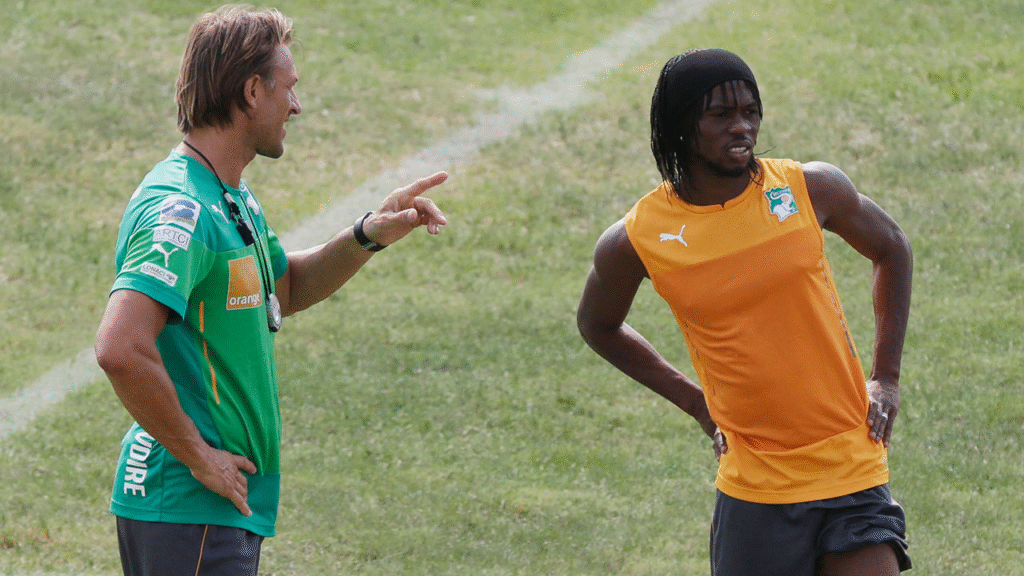
Renard had demonstrated success and possessed significant knowledge of the Ivorians’ strengths and weaknesses.
With this new leadership, Côte d’Ivoire began its campaign at an unconvincing pace, drawing 1-1 against Guinea and Mali.
Facing pressure in the group, they secured qualification by defeating Cameroon 1-0 through Max Gradel’s first-half finish.
In the quarterfinals, Wilfried Bony scored twice to help beat Algeria 3-1, while Gervinho added a late goal.
Côte d’Ivoire produced another 3-1 win in the semifinals against the Democratic Republic of Congo, as Yaya Toure, Gervinho, and Wilfried Kanon all scored.
The final against Ghana in Bata ended goalless after 120 minutes, leaving Côte d’Ivoire’s fate to be decided by penalties.
During the shootout, each eligible player took a penalty, totalling 22 attempts. This became the longest shootout in AFCON history.
Côte d’Ivoire’s goalkeeper Boubacar Barry delivered the decisive kick, securing a 9-8 victory for his nation.
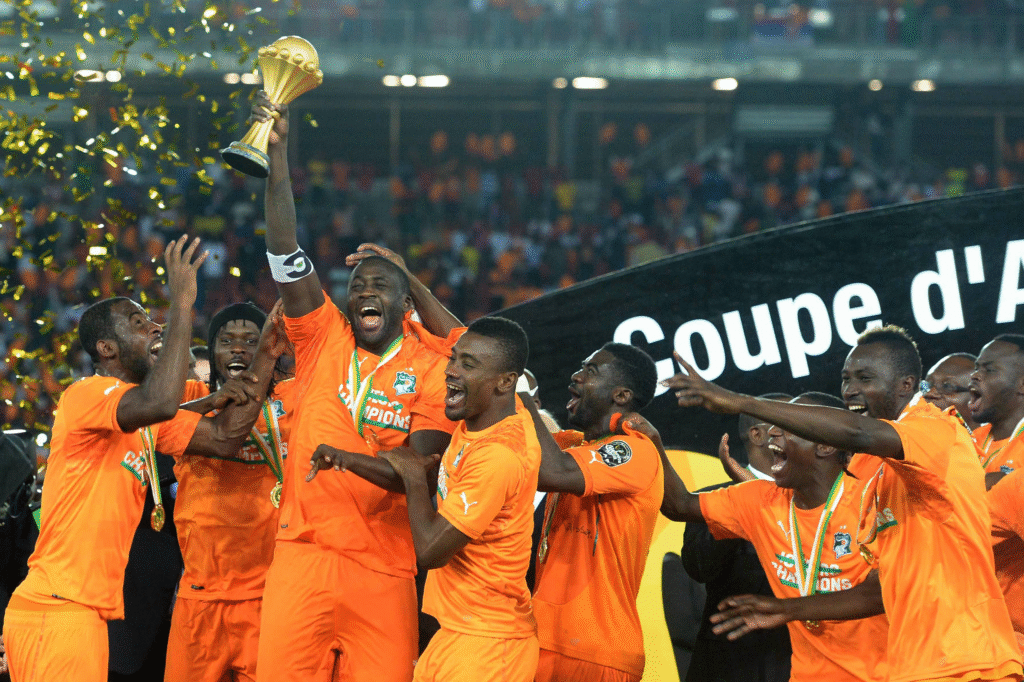
In London, Drogba watched with tears—an expression of relief, joy, and excitement shared by Ivorian fans.
How They Purged Their Demons by Beating Ghana in the Final: A Complicated Legacy
After several heartbreaks, Côte d’Ivoire finally won a trophy after beating Ghana in 2015. This hard-fought win was similar to their 1992 success against the same team.
Despite their decade of dominance, Côte d’Ivoire’s impressive performances failed to yield the major trophy until 2015, highlighting the gap between their potential and their achievements.
This pattern contributed to a “nearly-man” reputation, as their history often saw them favoured but consistently falling short, whether in continental or international competitions.
In the World Cup, Côte d’Ivoire left at the group stage in 2006, 2010, and 2014, and never played in the knockout rounds.
Within the continent, they were expected contenders, yet suffered unexpected defeats frequently. The nation had stars who could win, but failed to play well as a team during tough moments.
While 2015 offered a moment of relief, it did not usher in a new era, as subsequent efforts in 2017, 2019, and 2021 proved unsuccessful.
This continued the familiar cycle of high hopes and disappointing outcomes. Motivated by their history of near-misses, the 2023 squad set out to rewrite the narrative.
After a heavy defeat by Equatorial Guinea, few believed they would succeed, especially while hosting the tournament.
Côte d’Ivoire’s underwhelming performance in the group stages prompted the Ivorian federation to sack head coach Jean-Louis Gasset mid-tournament, handing assistant coach Emerse Fae the reins on an interim basis for the remainder of the competition.
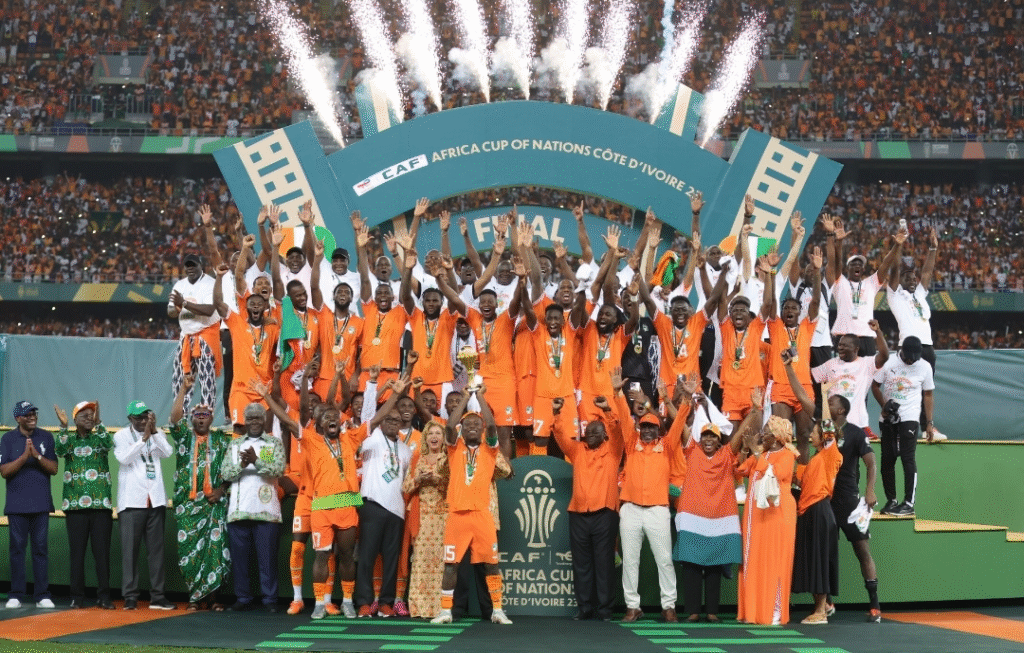
They nearly lost to Senegal and Mali but showed strong determination. Côte d’Ivoire beat Nigeria in the final and made a comeback in front of their fans. They were the first team since Egypt in 2006 to win at home.
Against all odds, the Ivorians reached the pinnacle of African football, laying a foundation for future ambitions.
Who wrote this?

Bienuoma Agaga-Akpati is a software engineer, writer, eSports player, and sports enthusiast, presently working with a group of ambitious Africans to transform the writing industry. With good knowledge of various sports and eSports, coupled with his keen ability for research, he loves analyzing ideas and topics that fosters the growth of the sport and eSports scenes. In his spare time, he enjoys creating content and engaging in discussions across various platforms.
- Bienuoma

- Bienuoma
- Bienuoma
- Bienuoma
- Bienuoma
- Bienuoma

- Bienuoma

- Bienuoma

- Bienuoma

- Bienuoma

- Bienuoma

- Bienuoma

- Bienuoma

- Bienuoma

- Bienuoma

- Bienuoma

- Bienuoma
- Bienuoma
- Bienuoma
- Bienuoma

- Bienuoma
- Bienuoma

- Bienuoma
- Bienuoma

- Bienuoma
- Bienuoma
- Bienuoma

- Bienuoma

- Bienuoma

- Bienuoma